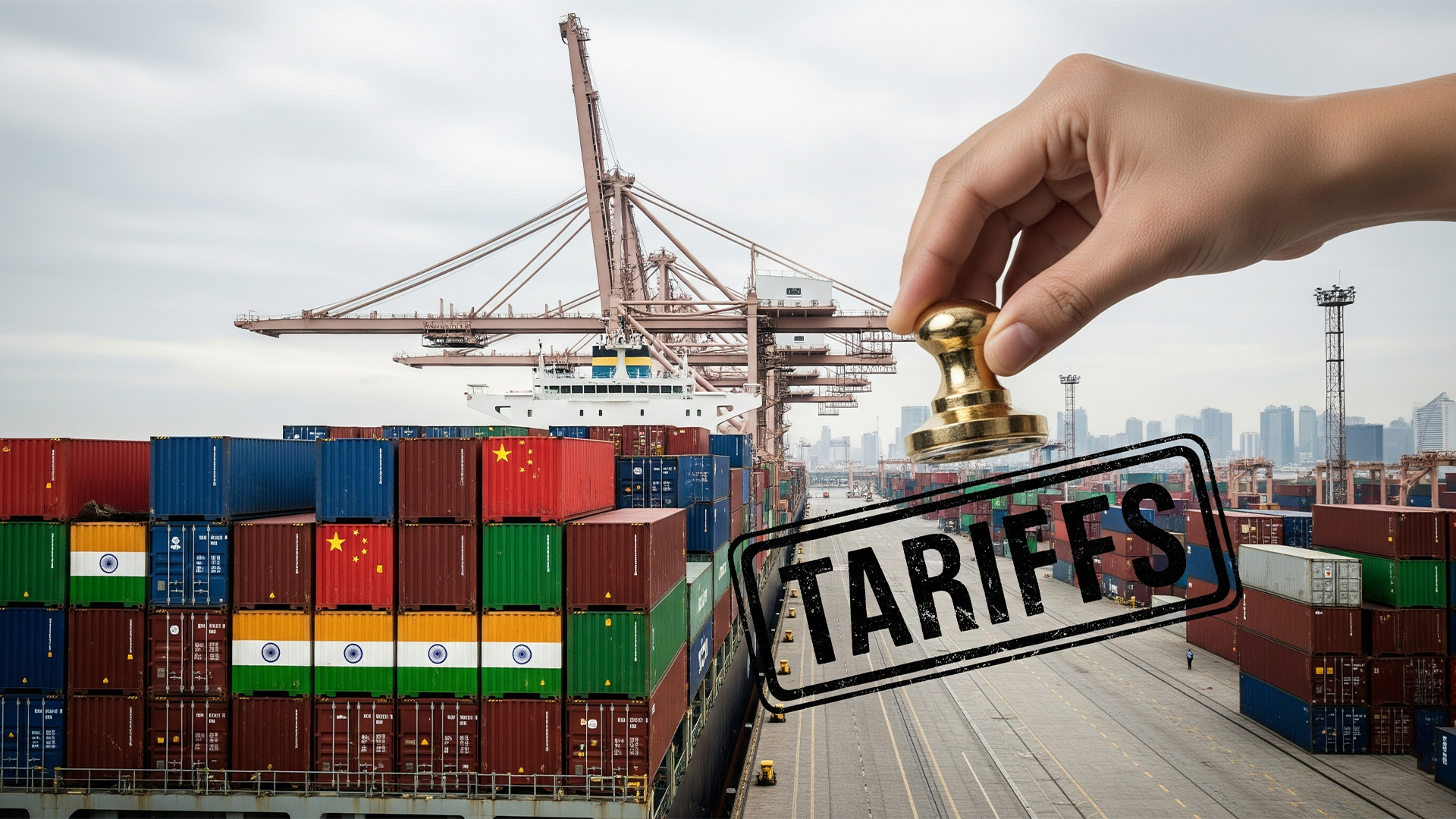
In a pointed response to the Trump administration’s imposition of a 50% tariff on Indian imports, China’s Ambassador to India, Xu Feihong, condemned the move as “unfair and unreasonable,” urging both nations to bolster their economic cooperation to counteract the escalating trade tensions.
Speaking at a press conference in New Delhi, Ambassador Xu characterized the U.S. tariffs as a form of “unilateralism and acts of bullying,” emphasizing that such protectionist measures disrupt the multilateral trading system and harm global economic stability. He stated, “The United States has long benefited from free trade. But now it is using tariffs as a weapon to demand exorbitant prices. The 50% tariff on India is unfair, unreasonable, and China firmly opposes it.”
Ambassador Xu highlighted the complementary nature of the Indian and Chinese economies, noting that both countries are home to vast populations and dynamic markets. He invited Indian businesses to invest in China, offering a “fair, just, and non-discriminatory” business environment, and called for increased bilateral trade and investment.
The ambassador also addressed concerns over the India-China border dispute, stating that recent agreements have led to a de-escalation of tensions. He dismissed suggestions that Pakistan’s relationship with China negatively affects India-China relations, asserting that bilateral ties are not influenced by third-party dynamics.
Ambassador Xu further emphasized the shared challenges both nations face, particularly in combating terrorism. He reaffirmed China’s commitment to working with India and the international community to address this issue, highlighting the importance of cooperation in ensuring regional and global security.
This diplomatic exchange underscores the complex interplay between trade policies and geopolitical relations. While the U.S. tariffs have strained Indo-American ties, they have also prompted China to position itself as a potential partner for India, seeking to capitalize on the shifting dynamics of global trade and politics.
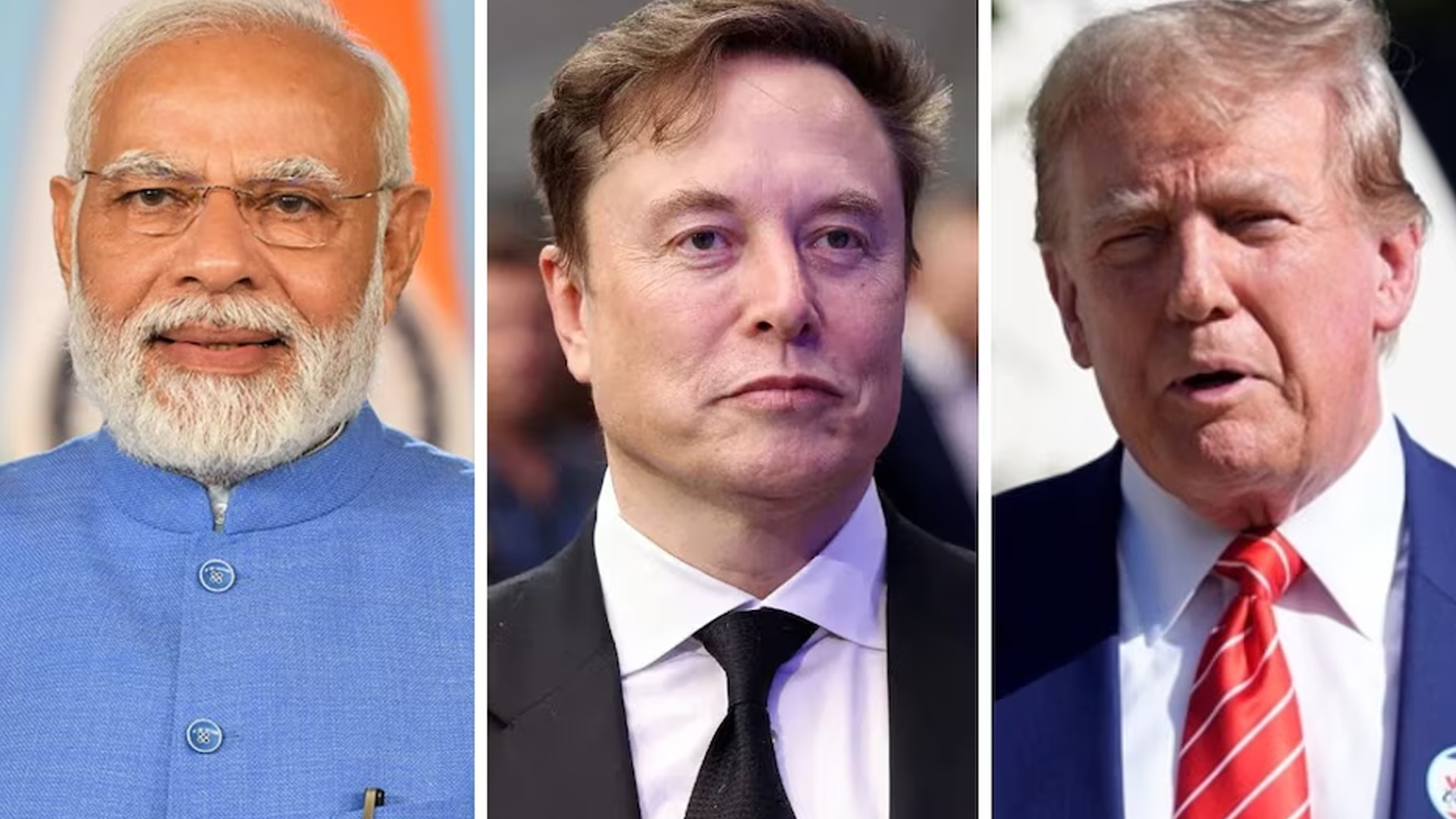
Ambassador Xu recalled remarks by Chinese President Xi Jinping during his meeting with Prime Minister Narendra Modi on August 31 on the sidelines of the Shanghai Cooperation Organisation (SCO) summit. President Xi noted that “China and India are at a very special stage of development and as the two biggest and very important emerging economies, China and India should focus on development and promotion of mutual support, mutual complementarity and mutual success.” Prime Minister Modi, in turn, stressed that “India-China cooperation will make the 21st century a genuine Asian century,” underlining the importance of economic cooperation between the two sides.
As India navigates these external pressures, the government’s response to China’s overtures will be closely watched, particularly in light of recent efforts to stabilize relations with Beijing and address longstanding border issues. With global economic uncertainty intensifying, both nations stand to benefit from increased coordination and mutual support.
The ambassador’s remarks reinforce China’s intent to strengthen ties with India, presenting an alternative path for cooperation at a time when protectionist policies threaten global trade. Whether India chooses to deepen engagement with China or pursue diversified partnerships in the face of tariff-induced disruptions will be a defining challenge for policymakers in the months ahead.
Also Read: Supreme Court Directs EC to Consider Aadhaar for Voter Identity in Bihar’s Electoral Roll Revision