China is confronting a sudden and significant outbreak of chikungunya, with thousands of new cases emerging in Guangdong province over the past week. The mosquito-borne disease, known for its intense joint pain and high fever, is raising health concerns not only within China but across the region. In severe cases, chikungunya can cause lasting health complications, including damage to the heart.
The US Centers for Disease Control and Prevention (CDC) has issued a travel advisory for Guangdong, urging travellers to take stringent preventive measures.
What is chikungunya?
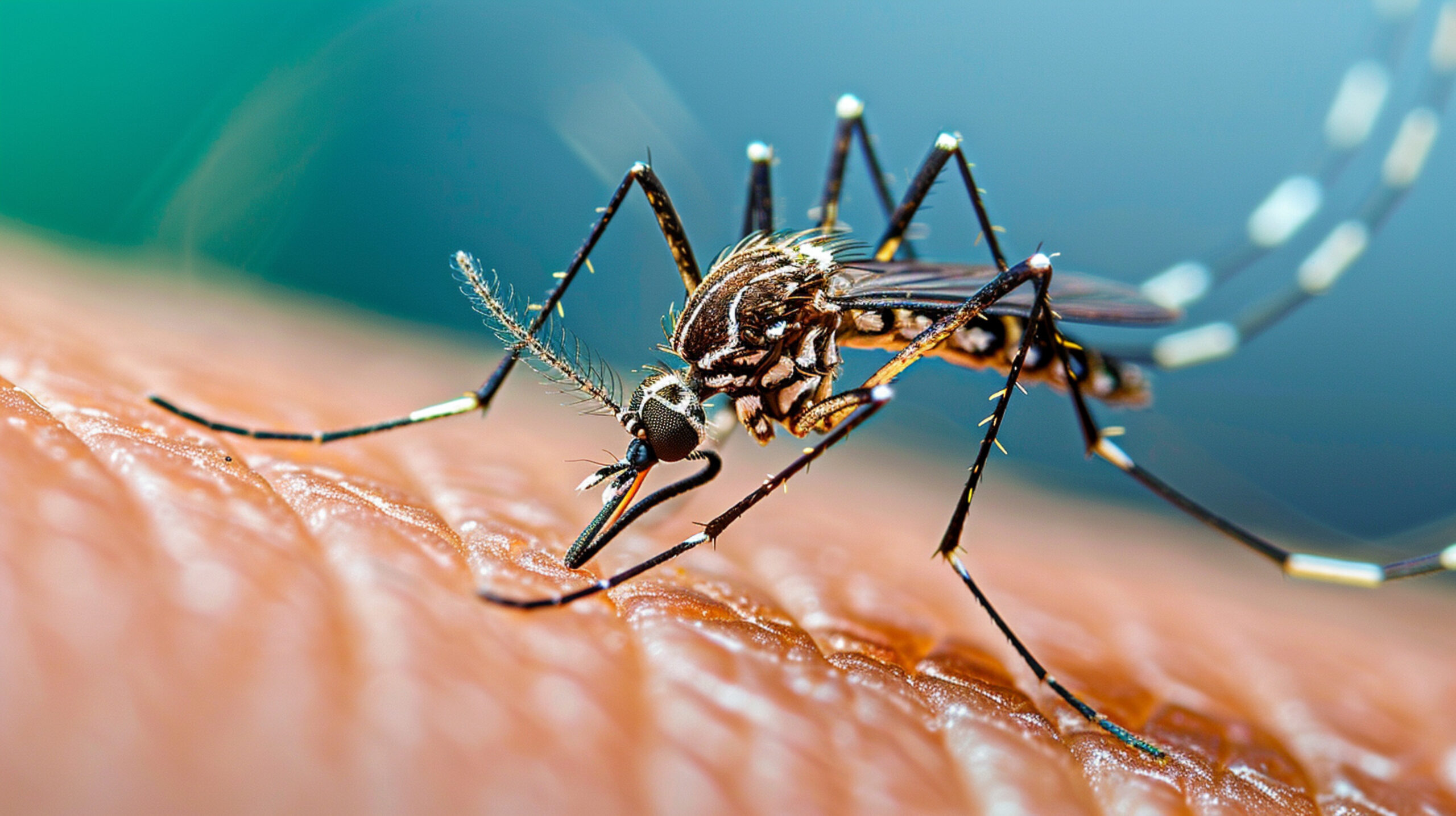
Chikungunya is a viral illness first detected in Africa in 1952. It spreads primarily through the bites of infected Aedes aegypti and Aedes albopictus mosquitoes. After being bitten, symptoms usually develop within three to seven days. These include intense joint pain, fever, headaches, muscle aches, swelling in the joints, and skin rashes.
Most people recover within one to two weeks. However, in some cases, pain and swelling can persist for months or even years. Rarely, the disease can lead to serious complications such as heart damage, particularly in the elderly, infants, and those with weakened immune systems. While there is no specific treatment for chikungunya, vaccines are available for certain travellers, according to the CDC.
China’s current situation
The latest outbreak has recorded around 7,000 cases, mainly in Guangdong Province and its city of Foshan. Authorities have launched aggressive mosquito-control campaigns, distributing nets and spraying insecticides in homes, streets, and workplaces.
There are reports that some infected individuals have been placed in hospital isolation, prompting comparisons to the strict containment measures seen during China’s COVID-19 response.
Containment measures in Guangdong
Local health officials have escalated their response. Soldiers have been deployed to fog streets, parks, and public spaces with insecticides. Community health workers are inspecting homes and neighbourhoods for stagnant water, a prime breeding ground for mosquitoes.
Where else is chikungunya spreading?
Chikungunya thrives in tropical and subtropical climates. As of August 1, 2025, the CDC has issued travel health notices for outbreaks in Guangdong (China), Bolivia, Kenya, Madagascar, Mauritius, Mayotte, Réunion, Somalia, and Sri Lanka.
The agency also lists countries with an elevated risk, including Brazil, Colombia, India, Mexico, Nigeria, Pakistan, the Philippines, and Thailand.
Why India should pay attention
India’s monsoon season, with its combination of warm weather, high humidity, and frequent waterlogging, creates ideal conditions for mosquito breeding. The situation in Guangdong should serve as a warning for Indian health authorities to intensify mosquito-control measures.
Preventing chikungunya begins with reducing exposure to mosquito bites. Experts recommend wearing long-sleeved clothing, applying insect repellent, using mosquito nets, and keeping windows and doors closed or screened. Eliminating stagnant water from surroundings—such as uncovered tanks, plant pots, and clogged drains—can significantly reduce breeding sites.
If symptoms appear, individuals should rest, stay hydrated, and seek medical advice. Early attention can reduce the risk of severe complications.