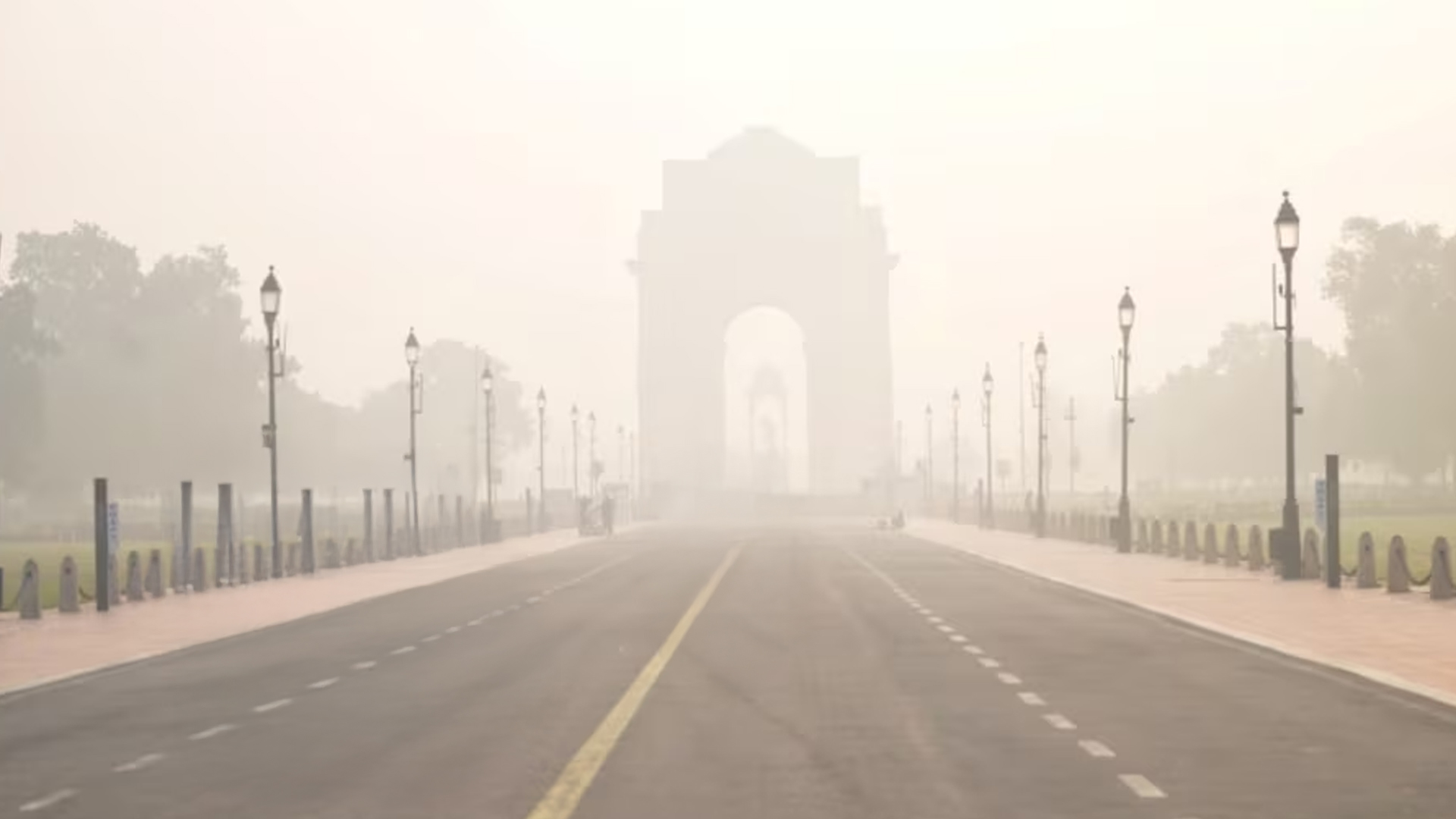
As Delhi prepares to celebrate Diwali, the city is grappling with a severe air pollution crisis. On the morning of October 20, the Air Quality Index (AQI) across the National Capital Region (NCR) deteriorated into the “hazardous” category, with Anand Vihar recording an AQI of 426, marking the worst air quality of the season.
Other areas, including Wazirpur, Akshardham, and India Gate, reported AQI levels ranging from 347 to 411, indicating a widespread pollution emergency.
In response to the crisis, Delhi’s government has intensified efforts to mitigate pollution, including deploying anti-smog guns and increasing the frequency of road cleaning operations. However, experts warn that these measures may have limited effectiveness without a comprehensive and sustained approach to address the root causes of air pollution.
The Central Pollution Control Board (CPCB) has forecasted that the air quality will remain in the “severe” category for the next few days, exacerbated by low wind speeds and high humidity, which trap pollutants near the ground.
The Commission for Air Quality Management (CAQM) has invoked Stage II of the Graded Response Action Plan (GRAP), implementing measures such as banning diesel generators and intensifying dust control efforts to mitigate the situation.
Health experts have raised alarms over the potential health impacts of the hazardous air quality. Individuals with respiratory conditions, children, and the elderly are particularly vulnerable to the harmful effects of the polluted air. Hospitals are on high alert, preparing for an increase in patients presenting with respiratory distress and related ailments.
Authorities continue to monitor the air quality closely and are prepared to implement additional measures if necessary to safeguard public health.