The Ministry of Labour and Employment has released draft rules for all four of India’s newly enacted labour codes, Code on Wages, Industrial Relations Code, Social Security Code, and Occupational Safety, Health and Working Conditions Code — marking a major step in modernising the country’s labour laws. These codes consolidate 29 existing laws into a streamlined framework intended to simplify compliance, strengthen worker protections, and improve ease of doing business. The government has opened a 30–45 day window for public feedback on the draft rules.
The draft rules outline key provisions covering minimum wages, social security, industrial relations, safety, and health standards. They include measures such as timely payment of minimum wages, formal appointment letters, equal pay for women, social security for gig and unorganised workers, and gratuity eligibility for fixed-term employees after one year of service. Health provisions include medical check-ups for workers above 40, and the rules provide for overtime pay and registration of unorganised sector workers.
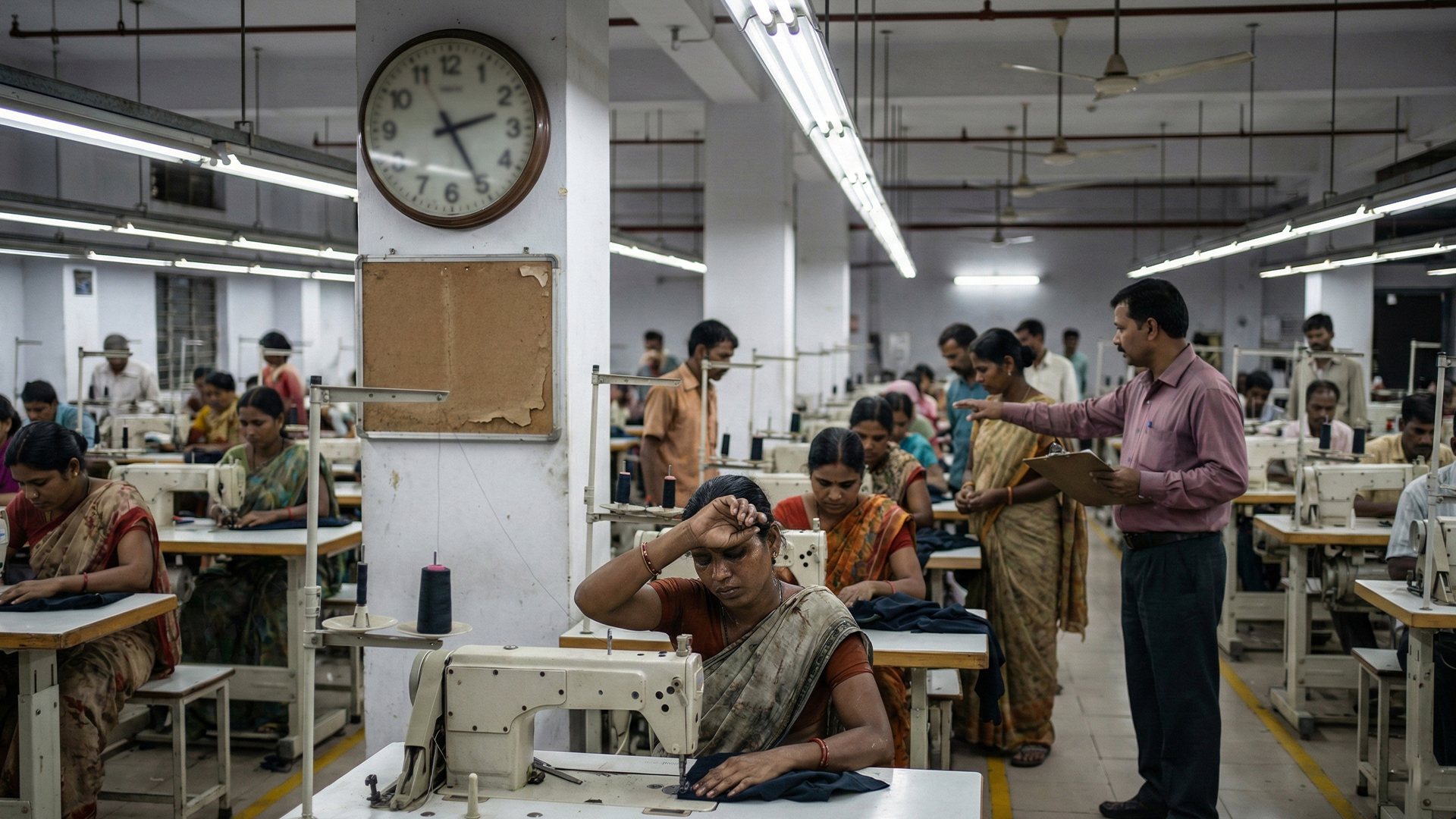
However, experts and worker groups have raised concerns over a significant gap in the Code on Wages draft rules. While the rules maintain a 48-hour weekly limit, they do not define a fixed daily work-hour cap, leaving it to the Central and state governments to notify daily limits separately. This could allow workdays longer than the traditional eight hours, potentially up to 10–12 hours, which critics argue may compromise workers’ health and rights, especially for gig and daily wage workers.
The government will review public feedback before finalising the rules, which are expected to be formally notified by March 2026. Full implementation of the labour codes is anticipated from April 1, 2026, following any additional state-level notifications. Stakeholders have called for clearer daily work-hour limits to ensure the reforms balance worker protection with labour market flexibility.
These draft rules represent a historic effort to modernise India’s labour regulations while highlighting the need for careful attention to worker welfare and operational clarity, especially regarding daily working hours.