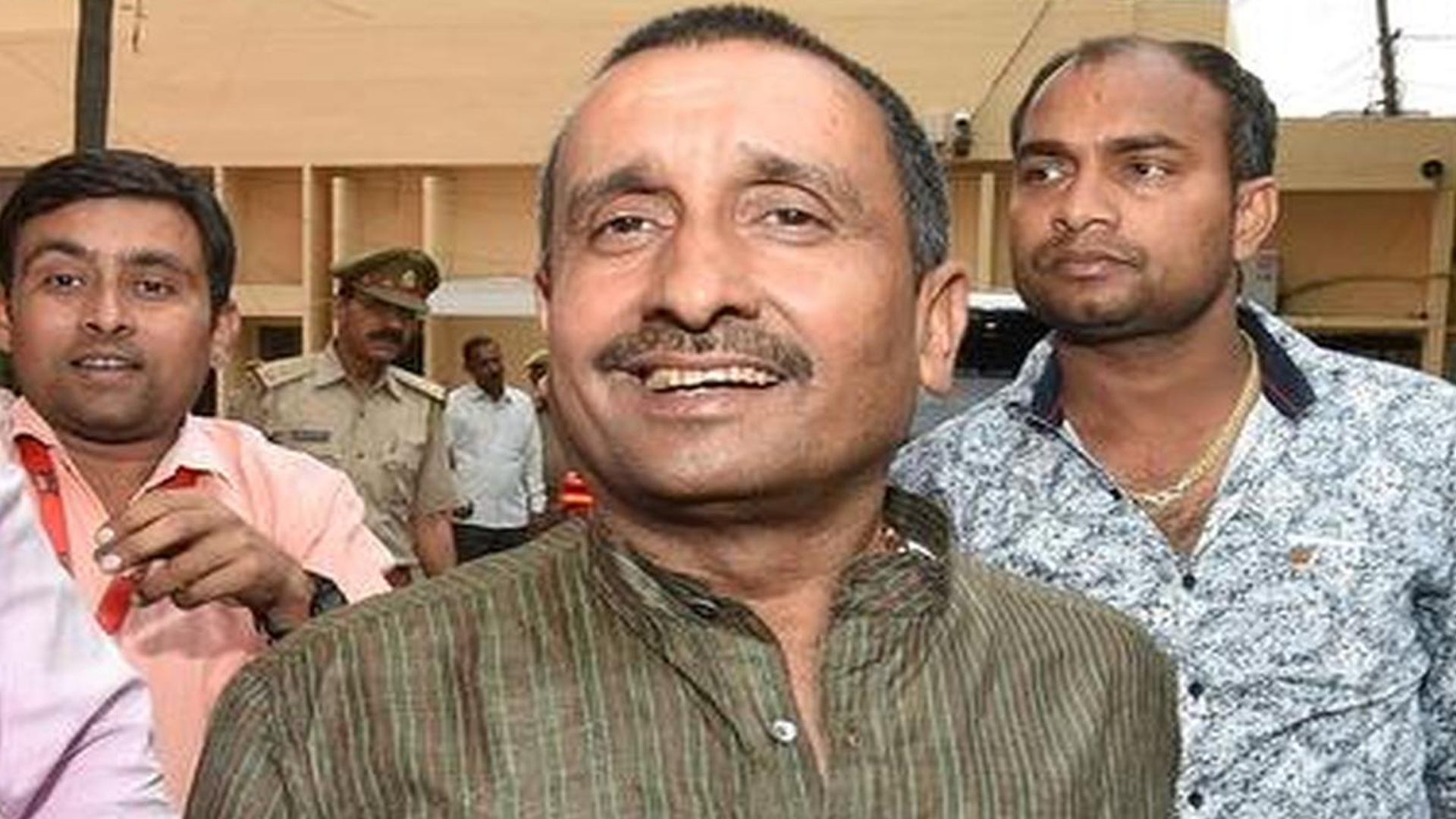
Former Supreme Court judge Markandey Katju has defended the interim bail granted to former BJP MLA Kuldeep Singh Sengar in the 2017 Unnao rape case, highlighting that the convict has already spent eight years in jail. The remarks come as a three-judge bench of the Supreme Court hears the Central Bureau of Investigation’s (CBI) plea challenging the Delhi High Court’s December 23 order that suspended Sengar’s life sentence and granted him bail pending appeal.
Sengar was convicted in 2019 for kidnapping and raping a minor girl in Unnao, Uttar Pradesh. He was sentenced to life imprisonment and fined. In addition, he is serving a separate 10-year sentence for culpable homicide in connection with the death of the victim’s father while in custody.
Katju clarified that the Delhi High Court’s interim order does not determine Sengar’s guilt or innocence. The ruling focused on legal technicalities, including whether a legislator should be treated as a “public servant” under the Protection of Children from Sexual Offences (POCSO) Act. Under Indian law, a member of the legislative assembly is not considered a public servant, which affects sentencing provisions. Katju also pointed out that prolonged trials in India can be unfair, and a defendant spending decades in jail before a final judgment may constitute injustice.
The bail order has generated significant public debate and protests. The survivor and her family expressed serious concerns over safety, and demonstrations were reported in parts of New Delhi. Activists argue that suspending Sengar’s sentence undermines confidence in the judicial system, while supporters of the High Court’s decision stress that it followed legal interpretations rather than questioning the conviction itself.
The Supreme Court’s hearing will determine whether the Delhi High Court’s suspension of Sengar’s life term and its bail conditions will continue or be overturned. The case continues to attract national attention due to its legal, social, and political implications, reflecting ongoing debates on justice, legal technicalities, and the protection of victims’ rights in high-profile cases.