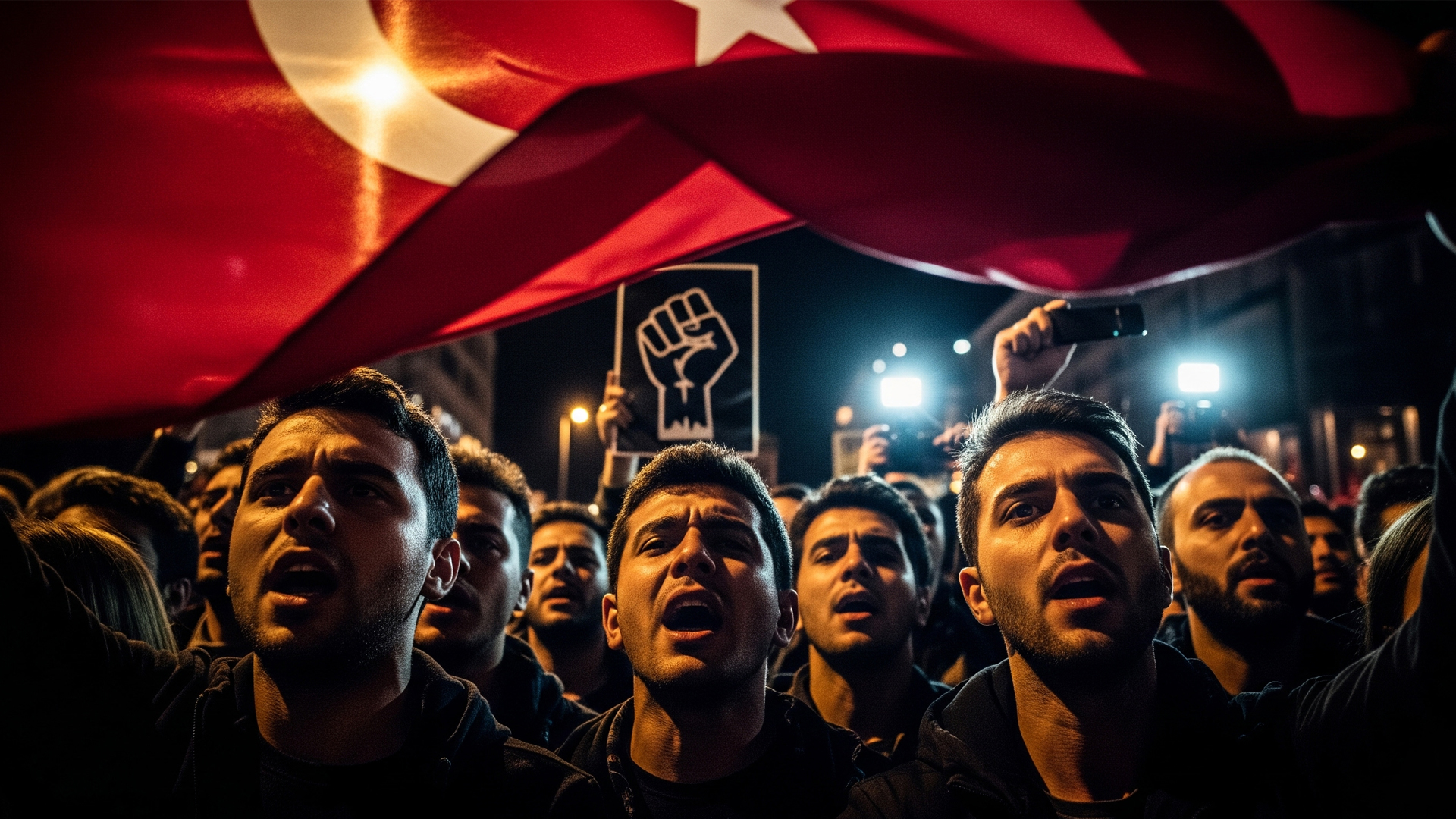
Tens of thousands of people took to the streets of Ankara on September 14, 2025, protesting a court case that could remove the leader of Turkey’s main opposition party, the Republican People’s Party (CHP). The demonstrations highlight growing tensions in Turkey’s political landscape and raise questions about democratic norms, judicial independence, and upcoming elections. Here’s what you need to know.
What sparked the protests?
The CHP, Turkey’s principal opposition party, held a party congress in November 2023 that elected Özgür Özel as its leader. The government and pro- Erdoğan supporters have challenged this congress, alleging procedural irregularities. The case was scheduled for a court decision on September 15, 2025. Protesters fear that annulling the congress could remove Özel from leadership and possibly restore former leader Kemal Kılıçdaroğlu, undermining the party’s internal democratic process.
This legal challenge comes amid a year-long crackdown on CHP members. Over 500 individuals, including 17 mayors from CHP-run municipalities, have been detained as part of corruption and terrorism investigations. Istanbul Mayor Ekrem İmamoğlu, Erdoğan’s main political rival, was arrested in March 2025, sparking some of the largest protests Turkey has seen in a decade.
What are the protesters demanding?
Thousands of citizens, waving Turkish flags and CHP banners, called for President Erdoğan’s resignation and for a snap general election. CHP leader Özgür Özel described the legal actions as politically motivated attempts to “cling to power by undermining democratic norms” and suppress opposition victories in recent local elections. In a letter read aloud at the rally, imprisoned Mayor İmamoğlu accused the government of trying to predetermine election outcomes by sidelining legitimate rivals.
Why does this matter?
The court’s decision could reshape the CHP and influence the timing and outcome of the next general elections scheduled for 2028. It could also affect investor confidence, as Turkey has already faced sharp market reactions following political instability. In addition, the controversy underscores concerns about judicial independence in the country, with critics arguing that the judiciary is being used to settle political disputes.
What are the broader implications?
Turkey’s political environment has become increasingly polarized. The ongoing detentions, party leadership challenges, and public protests reflect a deeper struggle over democratic norms, civil liberties, and the role of opposition in the country. Analysts warn that how the court handles the CHP congress case could set a precedent for how political parties are governed and how dissent is treated in the future.
These protests are not just about party politics—they are about the larger question of Turkey’s democratic trajectory, the independence of its institutions, and the balance of power between the government and its critics.
Also Read: Income Tax Department Confirms ITR Filing Deadline Stands Firm at September 15