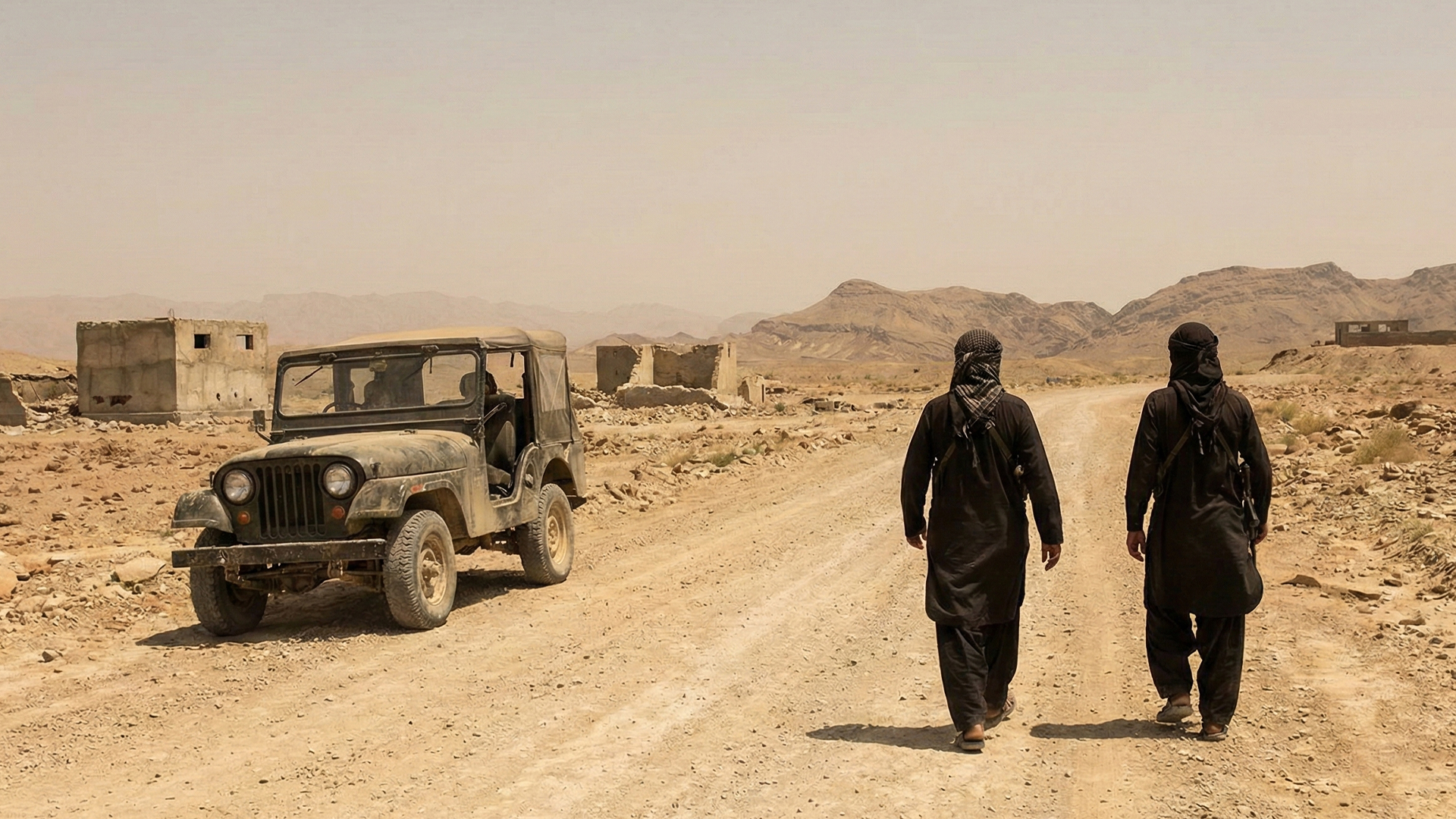
The restive southwestern province of Balochistan has seen one of its deadliest insurgent campaigns in recent years, as the outlawed Balochistan Liberation Army (BLA) carried out a series of coordinated attacks targeting security forces and civilians. The violence has left scores dead and triggered an intensified crackdown by Pakistani authorities.
In an unusual move, the BLA publicly released images and videos of two female “fidayeen” suicide attackers, signalling a shift in its operational tactics. The women, 24-year-old Asifa Mengal from Nushki district and Hawa Baloch, known by her nom de guerre Droshum, have become symbolic figures of the insurgent group’s latest offensive.
According to the BLA, Asifa Mengal joined its elite Majeed Brigade after turning 21 and later carried out a vehicle-borne improvised explosive device (VBIED) attack on an ISI facility in Nushki. Hawa Baloch, featured in combat footage from the Gwadar front, recorded a final message just hours before dying in clashes with Pakistani forces. Before joining the insurgency, she was reportedly a writer from a family with Baloch armed movement ties.
Authorities confirmed that at least two recent attacks involved female perpetrators, a rare development in Balochistan’s long-running separatist insurgency. The BLA claims that over a 40-hour period, its operations inflicted heavy casualties on Pakistan Army, police, and Frontier Corps personnel, though these figures have not been independently verified. The group also said it temporarily detained and later released local civil officials, calling it a “humanitarian gesture.”
Pakistani security forces responded with a sustained counter-offensive, killing dozens of militants and attempting to regain control over contested areas. Analysts say the escalation underscores Balochistan’s fragile security environment, where longstanding grievances over political autonomy, resource distribution, and development persist.
The prominence of Asifa Mengal and Hawa Baloch in such high-profile attacks challenges traditional gender roles in the conflict and serves as a stark reminder of the evolving tactics of the BLA.
Also Read: Former UK minister leaves Labour party over Epstein links