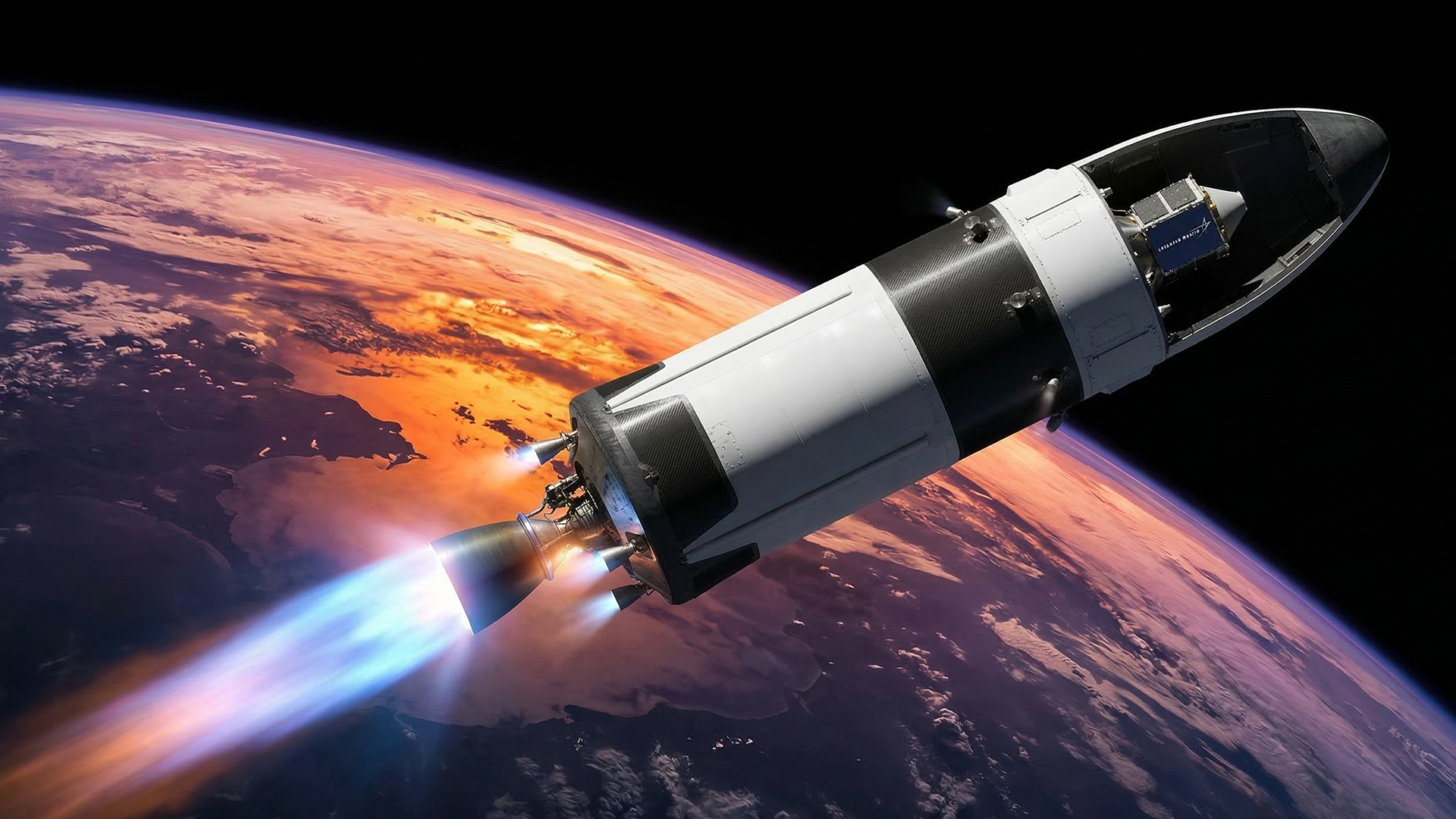
Firefly Aerospace successfully launched its Alpha rocket on Flight 7 from Vandenberg Space Force Base in California on March 11. The rocket reached orbit, carried a test payload for Lockheed Martin, and tried out new upgrades for the next version of the rocket.
The launch happened at 5:50 p.m. Pacific Time. The two-stage rocket completed all its goals, including a second-stage engine restart, which is important for moving satellites into precise orbits. New improvements tested included better electronics made by Firefly and stronger heat protection for the rocket.
Firefly said the launch went “perfectly” and all mission objectives were met. The company is now preparing Flight 8, which will include more upgrades like a longer rocket body and stronger structures to make launches more reliable.
This launch comes after a tough year. In September 2025, a rocket exploded during pre-launch testing in Briggs, Texas, delaying the program. Earlier in April 2025, another Alpha rocket failed to reach orbit because of a problem during stage separation, and the payload was lost.
Flight 7’s success also lifted investor confidence, with Firefly’s stock rising after the news. The company, based in Texas and publicly traded as FLY, aims to compete in the small satellite and national security launch markets. The Alpha rocket can carry about one metric ton to low Earth orbit and is central to Firefly’s plans for future missions, including lunar launches.