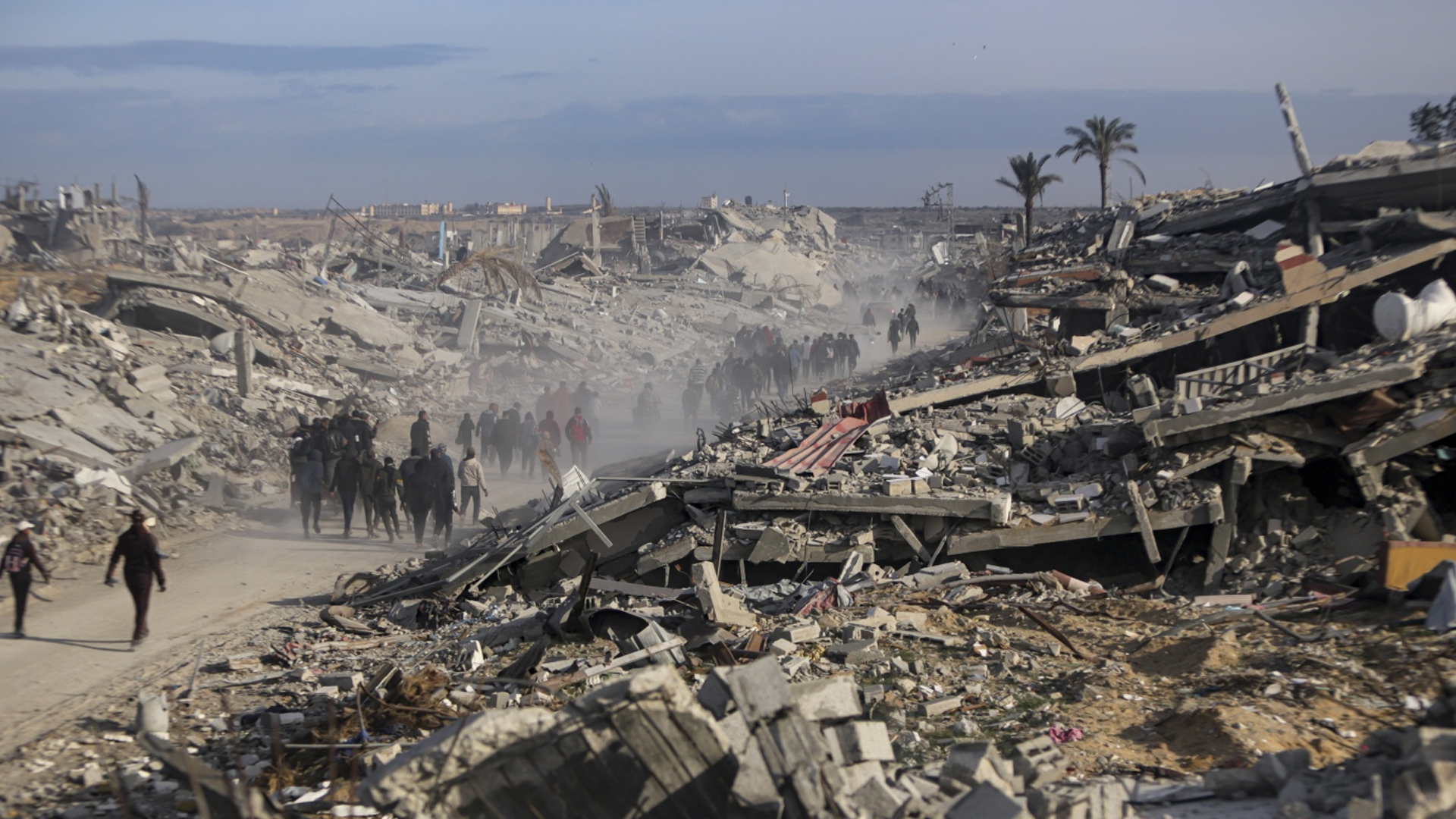
Fearing an imminent Israeli ground offensive, thousands of Palestinians have fled their homes in eastern Gaza City for the south and west of the enclave, as Israeli bombardments continue to devastate the territory. Israel’s military push aims to seize Gaza City, described by Prime Minister Benjamin Netanyahu as Hamas’ last major urban stronghold. But the looming offensive has raised alarm among mediators, families of hostages, and international observers who warn of catastrophic consequences.
Exodus from Gaza City
Since August 10, escalating Israeli strikes have forced waves of Palestinians to leave neighborhoods in the east of Gaza City. The United Nations Office for the Coordination of Humanitarian Affairs (OCHA) estimates that over 1.35 million people in Gaza are already in need of emergency shelter, with displacement numbers expected to surge if a ground operation begins. Palestinian shelter manager Ahmed Mheisen said nearly 1,000 families from Beit Lahiya alone have left for the south in recent days.
The shelter needs remain dire. Mheisen stressed that at least 1.5 million tents would be required to accommodate the displaced, yet Israel has allowed only around 120,000 tents into Gaza during a brief January–March ceasefire. Residents describe their plight as waiting for “a death sentence.” One Gaza City businessman, Tamer Burai, said he was preparing to move his entire family south to avoid sudden invasion-related casualties.
Ceasefire Diplomacy Intensifies
Amid the escalating crisis, Hamas announced on Monday (August 18) that it had accepted a new ceasefire proposal put forward by Egyptian and Qatari mediators, backed by the United States, without requesting amendments. A Hamas source confirmed that the group, along with other Palestinian factions, had agreed to resume talks on the U.S.-proposed framework for a 60-day truce and a partial release of hostages.
The breakthrough came after months of stalemated negotiations. The last round of talks in July ended in a deadlock, with both sides blaming each other for the collapse. Now, mediators see Hamas’ acceptance as a potential opening for renewed dialogue, though it remains unclear whether Israel will endorse the plan.
Israeli officials remain cautious. The military has warned that expanding operations into Gaza City could endanger the lives of the 50 remaining hostages believed to be held there and embroil Israeli forces in prolonged urban guerrilla warfare.
Hostage Families Voice Fears
The fate of hostages remains central to the conflict’s political and social dimensions inside Israel. Families of those kidnapped during Hamas’ October 7, 2023, attacks continue to demand a deal that secures their release. “I’m scared that my son would be hurt,” said Dani Miran, whose son Omri is among the captives, in a recent interview in Tel Aviv. Many hostage families joined one of the largest anti-government protests since the war began, urging Netanyahu to prioritize negotiations over military escalation.
The protests reflect a deepening divide in Israel, where anger over the government’s handling of the conflict has grown. Tens of thousands took to the streets this week, with many calling for elections and a leadership change if no deal materializes soon.
Mounting Humanitarian Catastrophe
The humanitarian toll in Gaza remains devastating. Nearly 75% of the enclave is already under Israeli military control, according to official estimates, with Gaza City now the focus of operations. International aid agencies warn that further incursions will trigger mass casualties and worsen shortages of food, medicine, and clean water.
The United Nations has described the displacement crisis as “unprecedented.” At least 1.5 million people are at immediate risk of losing shelter, while aid access remains severely restricted. “The people of Gaza City are like someone awaiting execution,” said one displaced resident.
Protests in Gaza and Pressure on Hamas
Inside Gaza, calls are growing for Hamas to act swiftly in the talks to prevent the offensive. A coalition of trade unions has scheduled a protest in Gaza City for Thursday, with participants demanding both an end to the war and faster engagement by Hamas in ceasefire negotiations. Social media campaigns have also amplified these demands, highlighting a rare wave of public dissent against Hamas amid the destruction.
The Road Ahead
While Hamas’ acceptance of the ceasefire proposal is seen as a significant diplomatic step, the path to peace remains uncertain. Netanyahu’s government continues to frame the war as an existential struggle to dismantle Hamas’ capabilities, even as international pressure mounts for restraint.
Egyptian and Qatari mediators, working closely with U.S. officials, are now expected to intensify shuttle diplomacy in the coming days. Analysts say this moment may represent one of the last viable opportunities to halt the bloodshed before Israel launches its long-feared offensive on Gaza City.
Also Read: Thousands Rally in Tel Aviv Demanding End to Gaza War and Hostage Release