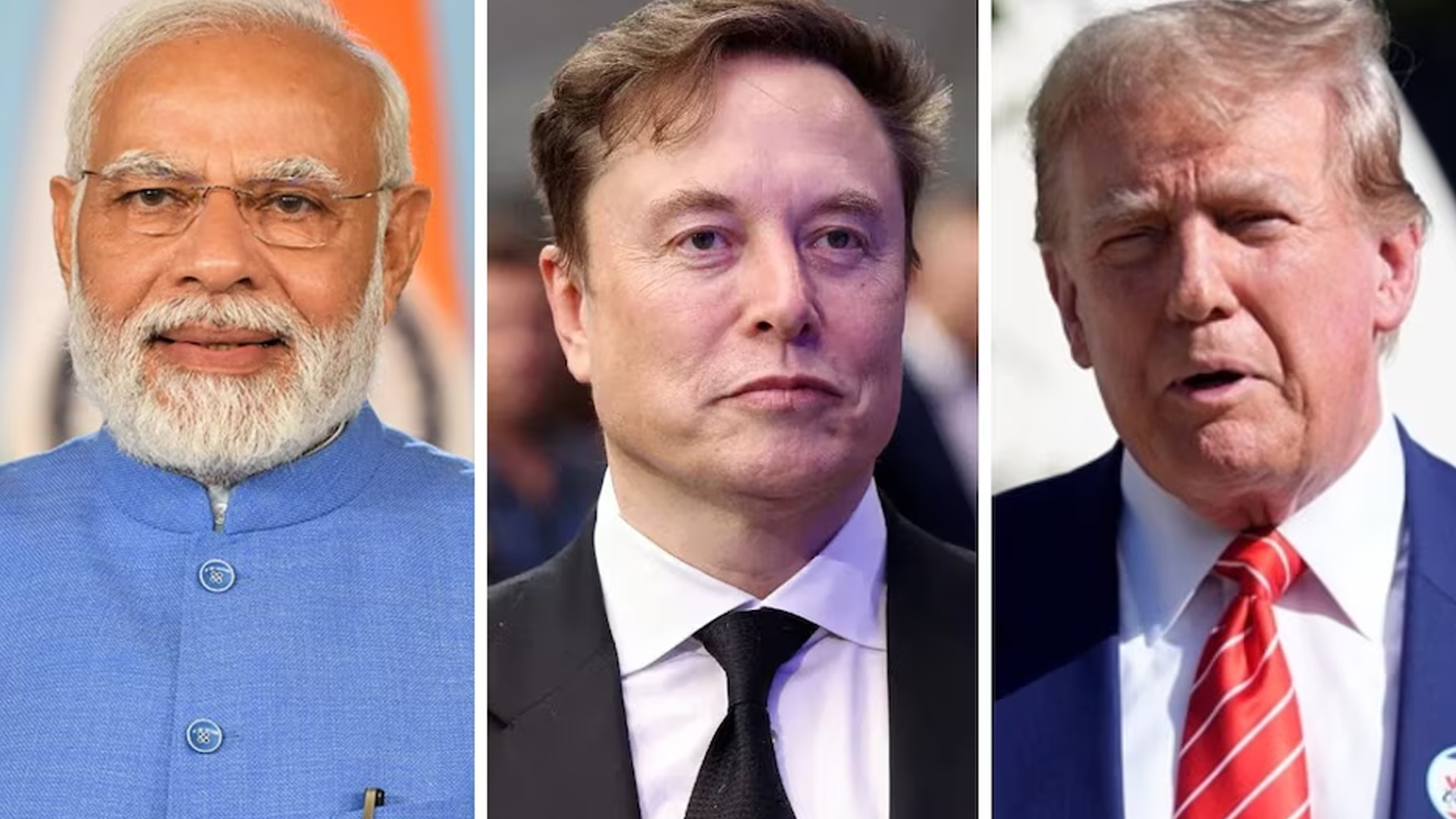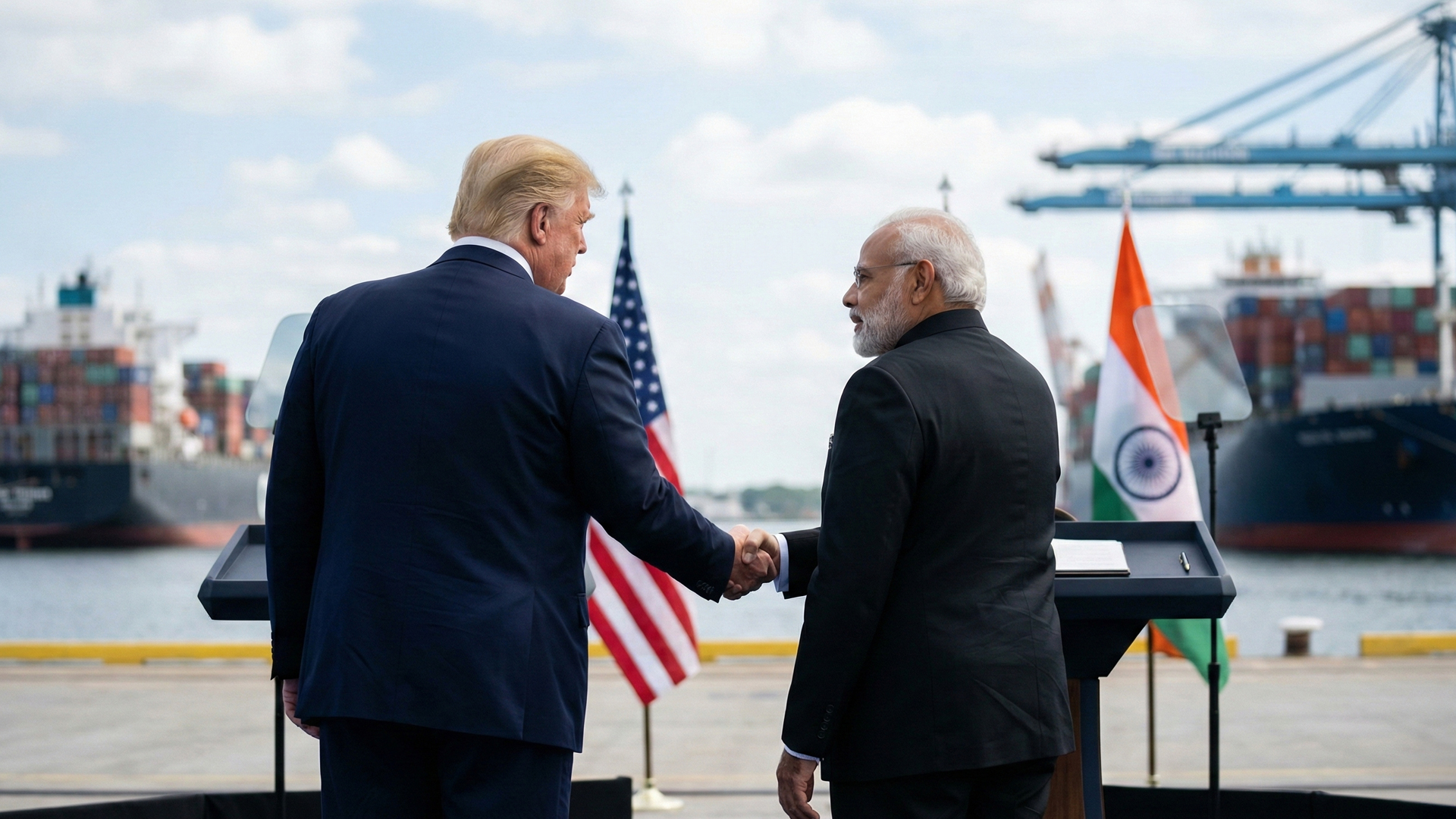
India and the United States have taken a significant step toward reshaping bilateral trade, following discussions between Prime Minister Narendra Modi and US President Donald Trump. The proposed agreement allows American goods to enter India without tariffs, while Indian exports to the US would face a duty of about 18%.
Trump described the deal as a move to balance trade and ensure fair access for American businesses, saying that US manufacturers, farmers, and technology firms would benefit from duty-free entry into India. At the same time, the 18% tariff on Indian goods aims to protect American industries while keeping trade channels open.
Speaking at an NDA Parliamentary Party meeting in New Delhi, Prime Minister Modi said the results reflect India’s strategic patience and careful diplomacy. “People were criticising tariffs, but our patience yielded results,” he said, stressing that global trade negotiations require long-term thinking and a measured approach rather than reacting to criticism or pressure.
Modi urged party leaders to communicate the benefits of the agreement to the public, highlighting that strategic patience has allowed India to secure a deal that safeguards domestic industries while boosting global trade engagement. He also pointed out that the agreement is part of India’s broader economic vision, promoting growth, manufacturing, and stronger international partnerships.
While the announcement has been welcomed by businesses seeking clearer trade rules, some opposition voices have raised concerns about the impact of higher tariffs on Indian exports, particularly in sectors like textiles, engineering goods, and pharmaceuticals. Analysts say the full effects will depend on the final structure of the deal and its implementation across various industries.
India and the US already maintain strong trade ties across IT services, defence, energy, and manufacturing sectors. The new agreement signals a willingness by both countries to resolve tariff disputes and deepen economic engagement.