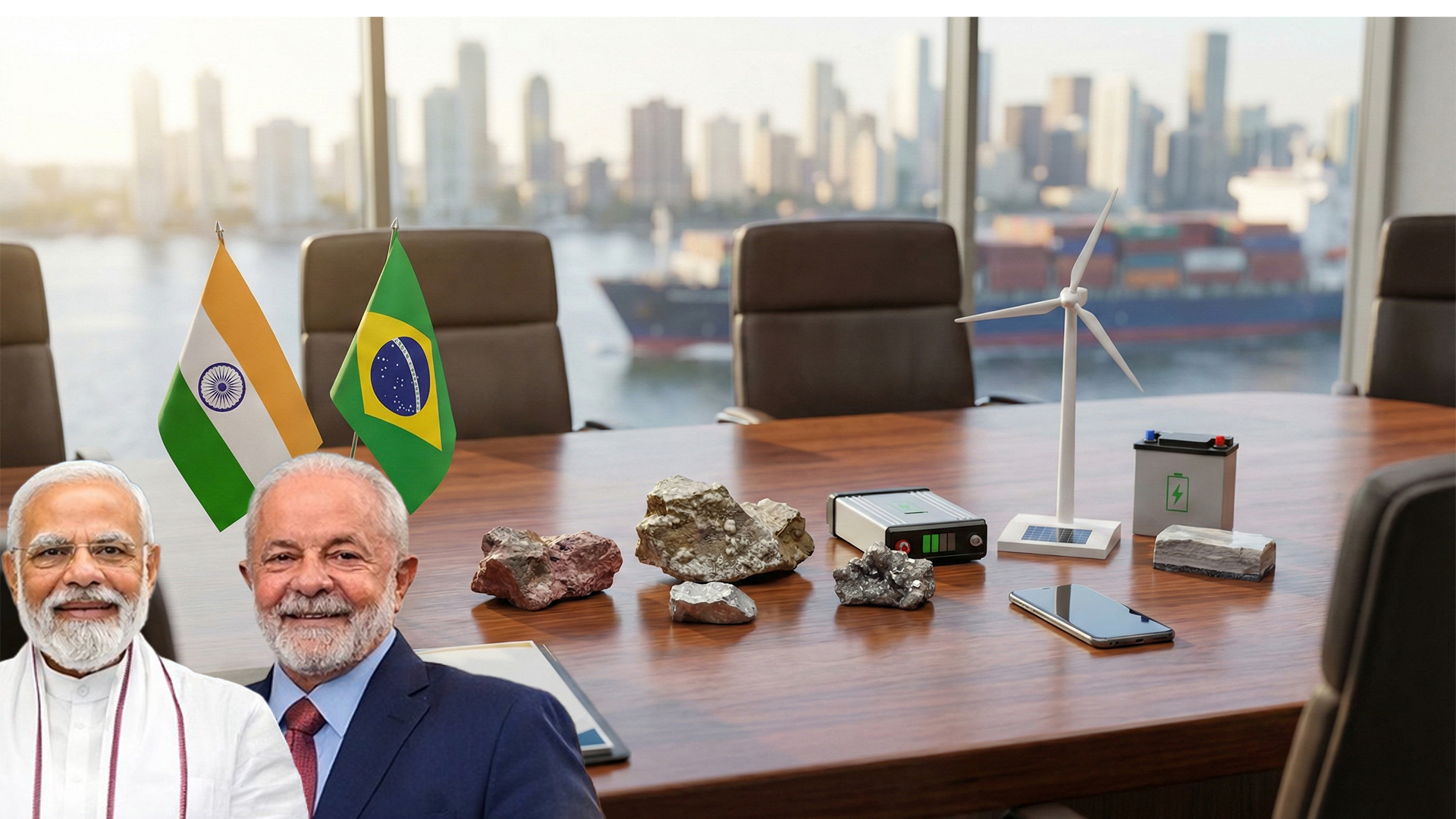
India and Brazil have taken a major step to strengthen their strategic and economic ties by signing a key agreement on rare earth and critical minerals—resources that power everything from electric vehicles and mobile phones to clean-energy systems and defence technology.
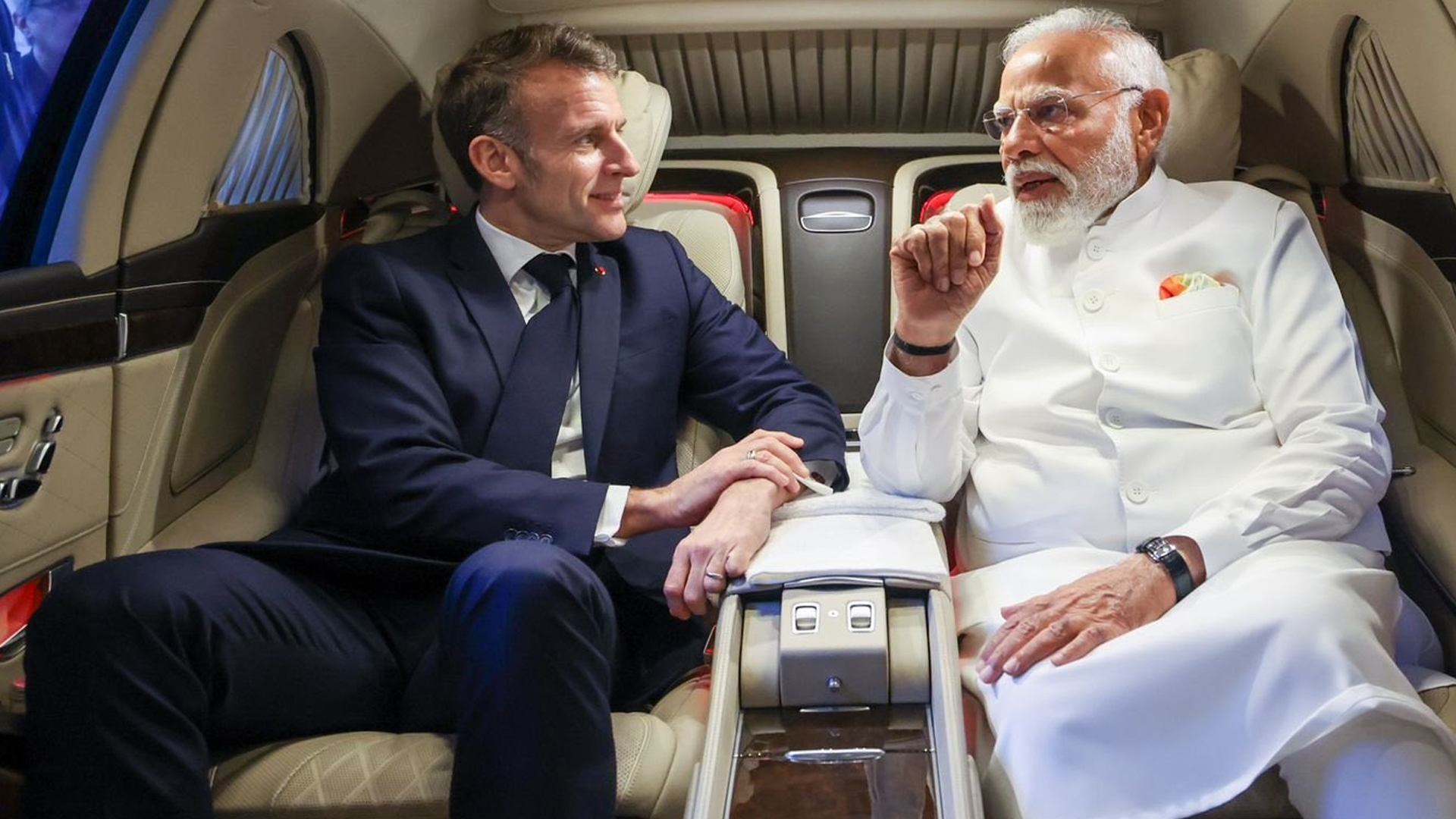
The deal was signed after talks between Prime Minister Narendra Modi and Brazilian President Luiz Inácio Lula da Silva, with both leaders calling the growing partnership a reflection of deep mutual trust. Along with securing access to vital minerals, the two countries have set an ambitious goal of pushing bilateral trade beyond $20 billion in the coming years.
Brazil, which holds one of the world’s largest reserves of rare earth elements, is seen as a natural partner for India as it works to reduce its dependence on limited global suppliers and build more resilient supply chains. For India, the collaboration supports its clean-energy transition and advanced manufacturing plans. For Brazil, it opens new opportunities for investment, technology sharing and value-added processing instead of exporting raw materials alone.
The agreement goes beyond mining. Both sides have decided to work together in areas such as mineral processing, digital technology, renewable energy, healthcare and entrepreneurship. Business leaders from the two countries also joined the discussions, signalling stronger industry-to-industry connections.
Trade between India and Brazil has already been rising steadily, crossing $15 billion recently, with Brazil emerging as India’s largest partner in Latin America. The new roadmap is expected to give fresh momentum to this growth and create jobs, innovation and new markets in both economies.
The leaders also underlined the importance of closer cooperation among developing nations at a time when global supply chains are under strain. Their message was clear: partnerships built on trust and shared growth can help shape a more balanced global economic order.
President Lula, leading a high-level delegation, praised India’s rapid digital and economic progress and said the moment was right for the two countries to move from friendly ties to a stronger strategic relationship.