Union Agriculture Minister Shivraj Singh Chouhan on Monday reaffirmed India’s commitment to protecting its farmers, saying the country had resisted calls to open its agricultural markets to foreign imports despite mounting trade tensions with the United States. Speaking at the 12th convocation ceremony of the Indian Institute of Science Education and Research, Chouhan said India’s refusal to compromise reflects its determination to safeguard the livelihoods of its small-scale farmers and fishermen.
“The world wanted us to agree to their demands,” Chouhan said, in a clear reference to the United States. “They asked us to open our doors for their agricultural produce. They farm on hectares of land with genetically modified seeds and receive subsidies. Our small farmers could not have withstood the competition. We chose to stand firm in the national interest.”
Chouhan stressed that India will not sign any trade agreements that undermine its farmers, adding that the country is no longer intimidated by external pressure. “They thought we would be scared. But this is today’s Bharat, which is brimming with confidence,” he said. He also called on citizens to support Prime Minister Narendra Modi’s appeal to buy indigenous goods, saying domestic consumption would create jobs and strengthen the economy.
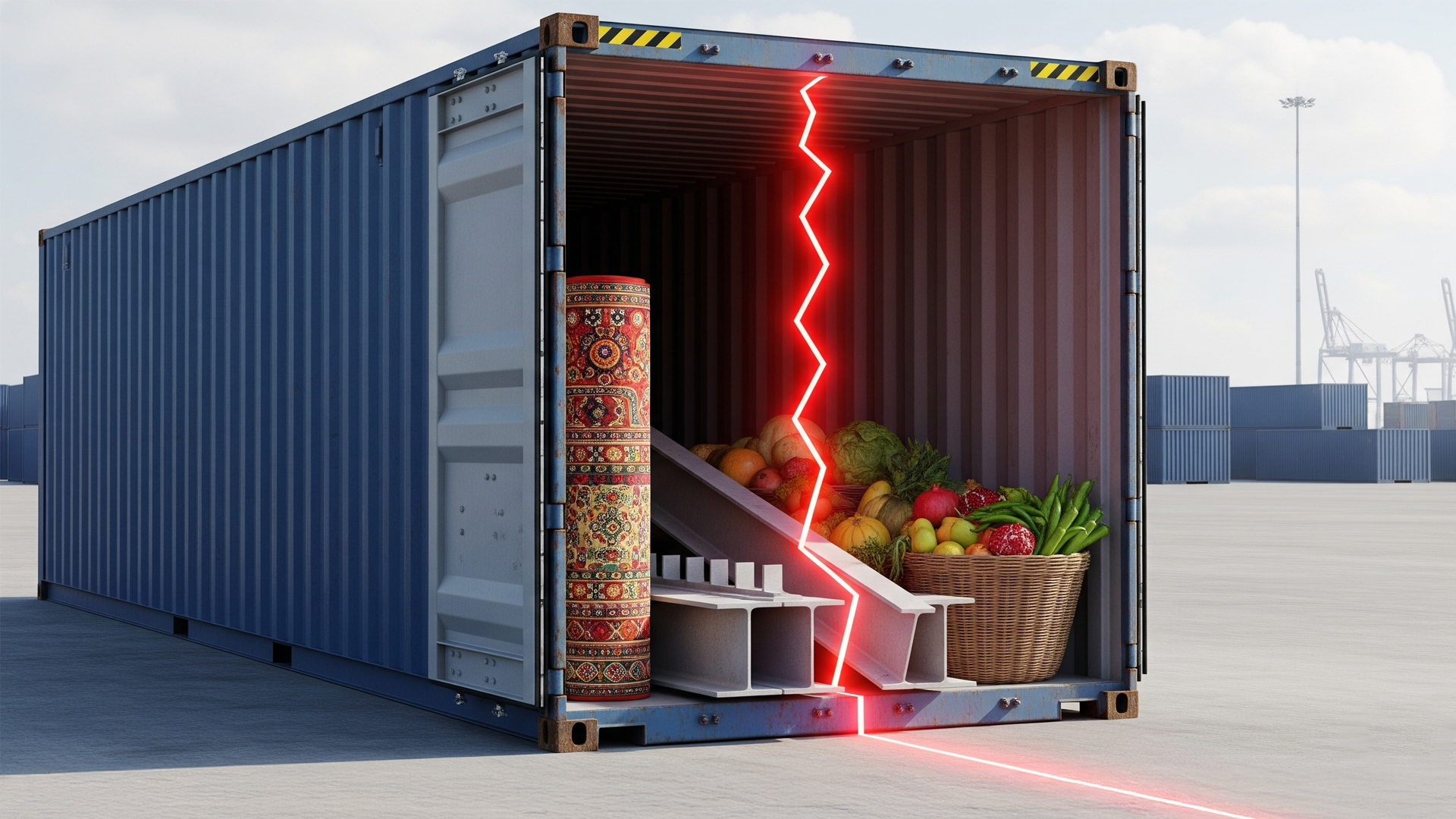
Tensions between New Delhi and Washington have escalated in recent months following the decision by US President Donald Trump to double tariffs on Indian goods to 50 per cent, including an additional 25 per cent duty. The move was widely seen as retaliation for India’s continued purchase of discounted Russian crude oil despite US calls to reduce energy ties with Moscow. The Trump administration has also voiced concerns about India’s protectionist agricultural policies and high tariffs on American exports.
The latest tariff hike marks one of the steepest in recent years, targeting a wide range of Indian goods, from textiles and leather to steel, aluminium, and certain agricultural exports. US officials argue that India’s policies create an uneven playing field for American producers. Trump has repeatedly emphasized a need for “reciprocal trade,” pointing to India’s own import duties on products such as American apples, almonds, and pulses.
The escalating trade dispute has revived memories of earlier tensions during Trump’s first term, when Washington revoked India’s special trade status under the Generalized System of Preferences (GSP) in 2019. That move affected billions of dollars’ worth of Indian exports and set off a series of tariff retaliations by both sides. The renewed tariffs in 2025 underscore a broader shift in US trade policy, which has become more aggressive toward countries seen as benefiting from American markets without providing equivalent access.
For India, however, the stakes are particularly high in the agricultural sector. Indian policymakers have long resisted opening the country’s markets to large-scale imports of subsidized crops, arguing that doing so would devastate millions of smallholder farmers who depend on agriculture for survival. India’s agricultural sector employs nearly half of its workforce, and leaders across party lines have historically opposed trade deals that threaten farm incomes.
Analysts note that the current standoff reflects a deeper geopolitical shift. While the US has sought closer ties with India to counter China’s influence, trade disputes have become a recurring source of friction. India’s refusal to scale back Russian crude imports, despite Western sanctions, has added another layer of tension. At the same time, India is keen to project itself as an independent economic power, emphasizing domestic manufacturing and self-reliance through initiatives such as “Atmanirbhar Bharat.”
Chouhan’s remarks highlight the government’s strategy to stand firm in trade negotiations, even at the cost of higher tariffs. “We will never sign an agreement that goes against the interests of our people,” he said, underscoring India’s willingness to weather short-term economic pressure to protect its farmers and workers.