In a major step to overhaul its internal security framework, India has unveiled its first comprehensive national counter-terrorism policy, PRAHAAR, creating a single, coordinated strategy to detect, prevent and respond to terror threats in a faster and more organised manner.
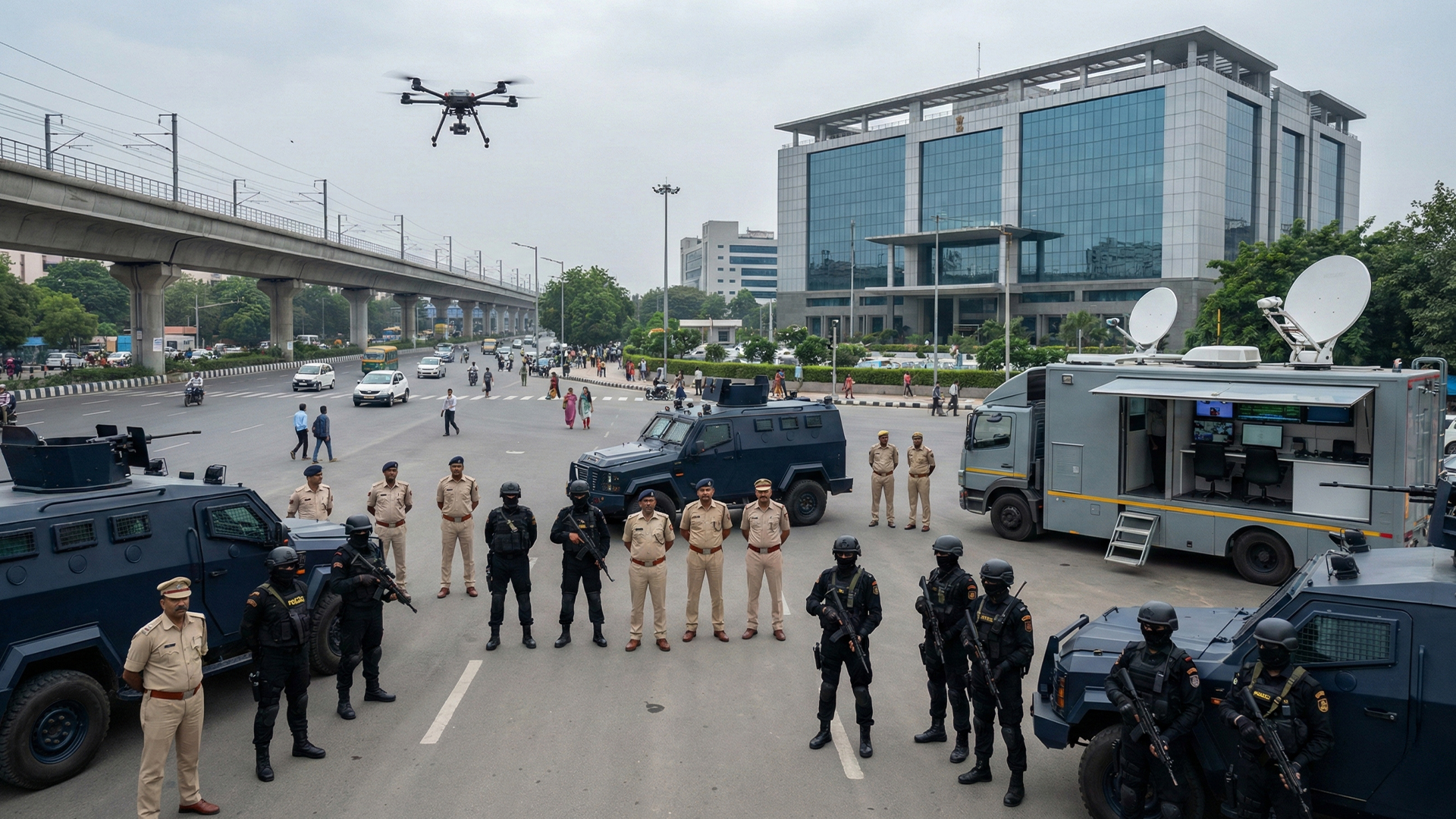
Announced by the Ministry of Home Affairs, the policy shifts the focus from reacting after an attack to stopping threats at an early stage through better intelligence and coordination between the Centre, states and specialised forces. It formalises India’s “zero-tolerance” approach and calls for faster information sharing and clearer roles for each agency during a crisis.
The document identifies cross-border terrorism as a major concern and also warns about newer dangers such as the use of drones to drop weapons, online radicalisation, cyber-attacks and terror funding through cryptocurrencies and the dark web. It says terror groups are increasingly using modern technology, making it necessary for security forces to upgrade their tools and training.
PRAHAAR puts strong emphasis on choking the flow of money to terror networks, strengthening investigations and ensuring that those involved are prosecuted quickly. Local police are expected to act as the first line of response, while national agencies will step in for larger or more complex operations.
The policy also highlights the need to work with communities to prevent radicalisation, especially among young people, through awareness programmes and development initiatives. At the same time, it stresses that all counter-terror actions will follow the law and respect human rights.
Another important feature is a recovery plan for after an attack. This includes quick restoration of normal life in affected areas and better support for victims and their families so that communities can return to normal faster.
Also Read: Rajagopalachari bust replaces Lutyens at Rashtrapati Bhavan