India and the United States have moved a step closer to formalising their proposed interim trade agreement, even as clarifications from both sides sought to calm concerns over specific provisions in the deal.
The development comes after the White House issued a factsheet outlining elements of the interim framework. Following discussions between officials, parts of the document were revised, the India’s Ministry of External Affairs (MEA) described it as reflecting a “mutual understanding” between the two countries.
Addressing the issue, the MEA said the joint statement issued earlier this month remains the basis of the agreement. The ministry clarified that the revised language in the US factsheet does not create new obligations but aligns with what was agreed upon by both governments.
India’s Ambassador to the United States, Vinay Kwatra, described the emerging trade arrangement as a “new economic pillar” in India-US relations. He said the interim deal is designed to fast-track cooperation while negotiations continue toward a broader bilateral trade agreement.
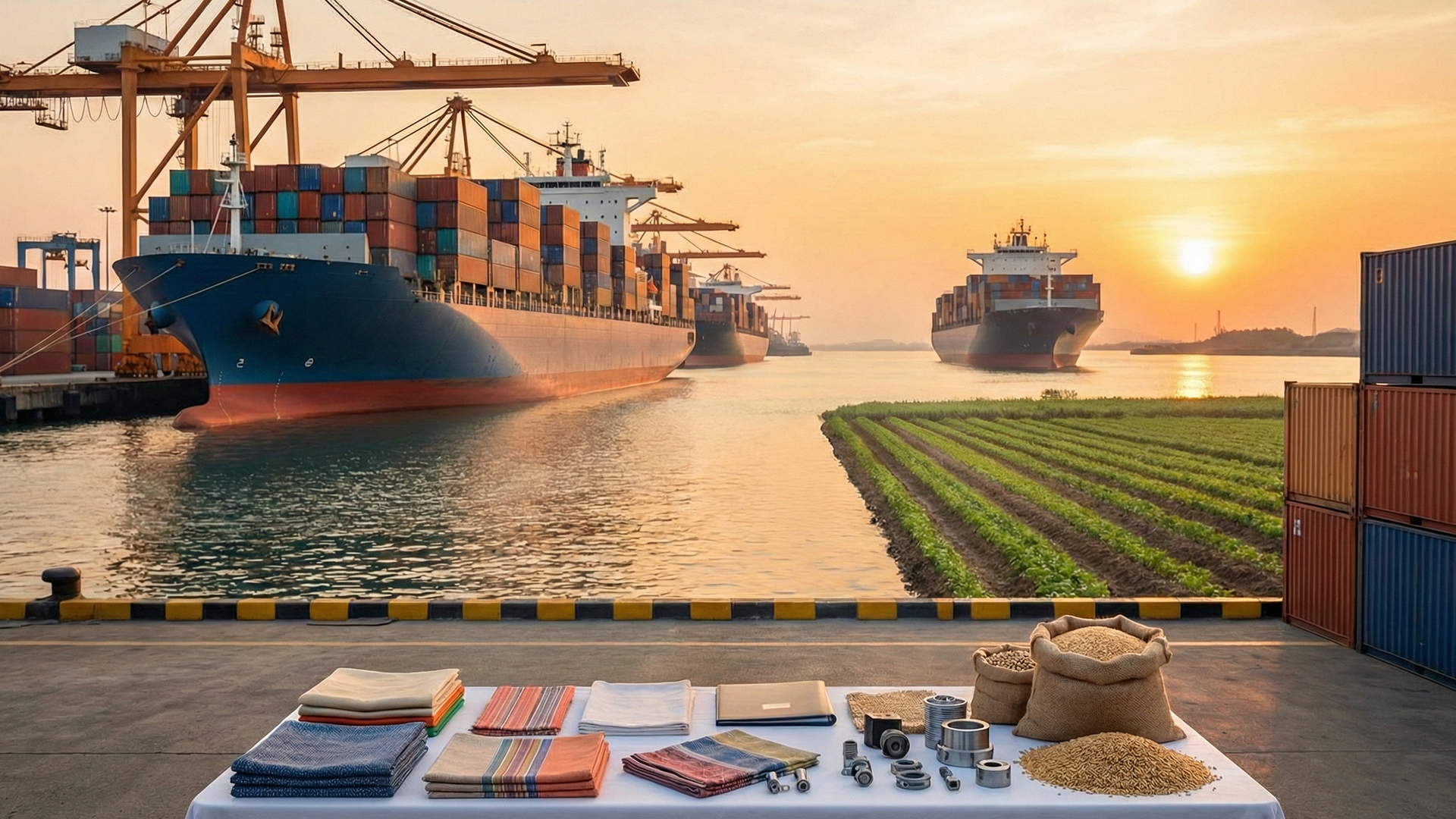
Under the framework, both countries aim to reduce tariffs on selected goods and expand market access in priority sectors. Discussions have included greater access for Indian textiles and manufacturing exports to the US market, alongside reduced duties in India on certain American industrial and agricultural products. Earlier concerns over the inclusion of pulses in tariff discussions were addressed after revisions to the US document.
Officials from both sides are working toward signing the legal text of the interim pact by the end of March 2026. Once formalised, the agreement is expected to pave the way for smoother trade flows and lay the groundwork for a comprehensive bilateral trade deal.
However, the proposed agreement has also drawn criticism from sections of farmer groups and labour unions in India, who have expressed concerns about potential impacts on domestic agriculture and small producers.
Also Read: BNP wins big in Bangladesh after 20 years