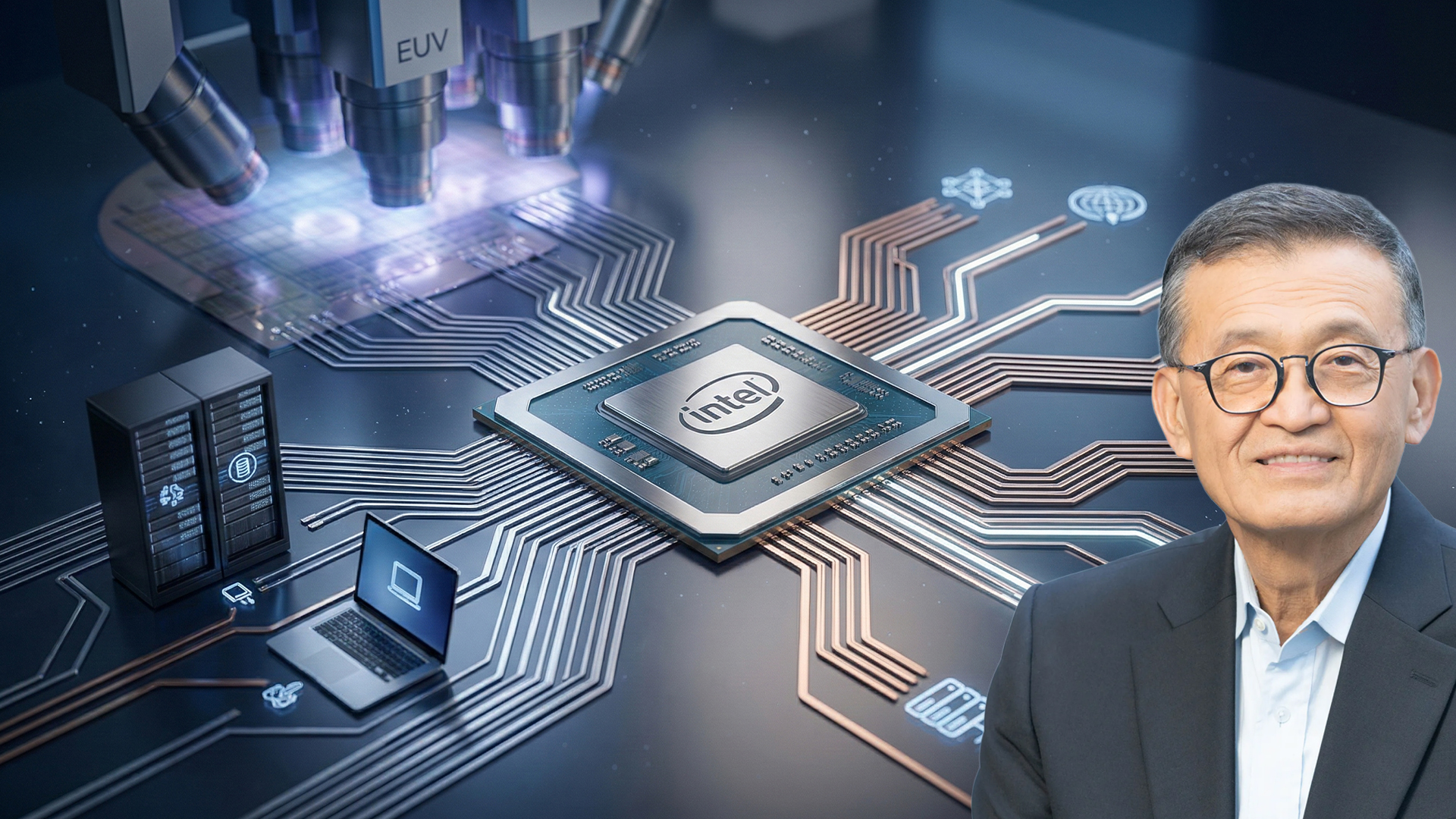
Intel is reviewing its strategy for the next-generation 18A semiconductor manufacturing technology, a key process expected to power the company’s future chips.
The review is being led by CEO Lip-Bu Tan, who is reassessing earlier decisions about how the advanced manufacturing technology should be used. The move could potentially open the process to external chip designers rather than reserving it primarily for Intel’s own products.
Speaking at a technology conference in San Francisco, Intel Chief Financial Officer David Zinsner said the company is reconsidering plans announced previously that limited the 18A process mostly to internal chip production.
According to Zinsner, Intel is evaluating whether allowing outside companies to use the 18A technology could strengthen its semiconductor foundry business, which aims to manufacture chips for other firms.
Intel has been working to expand its contract manufacturing operations in recent years as part of a broader strategy to compete with leading chipmakers such as Taiwan Semiconductor Manufacturing Company and Samsung Electronics.
The 18A process is considered one of Intel’s most advanced chip technologies and is expected to play a crucial role in the company’s push to regain leadership in semiconductor manufacturing. The technology includes new transistor designs and power delivery methods aimed at improving chip performance and efficiency.
Zinsner said the company has seen improvements in manufacturing yields for the 18A process. However, production volumes remain limited and the technology is still being scaled for wider use.
Intel has also been promoting its future 14A manufacturing technology, which is expected to follow the 18A process and could attract potential customers for the company’s foundry services.
Tan, who took over as Intel’s chief executive in 2025, has been reshaping the company’s strategy with a focus on advanced manufacturing, artificial intelligence chips and expanding the foundry business.