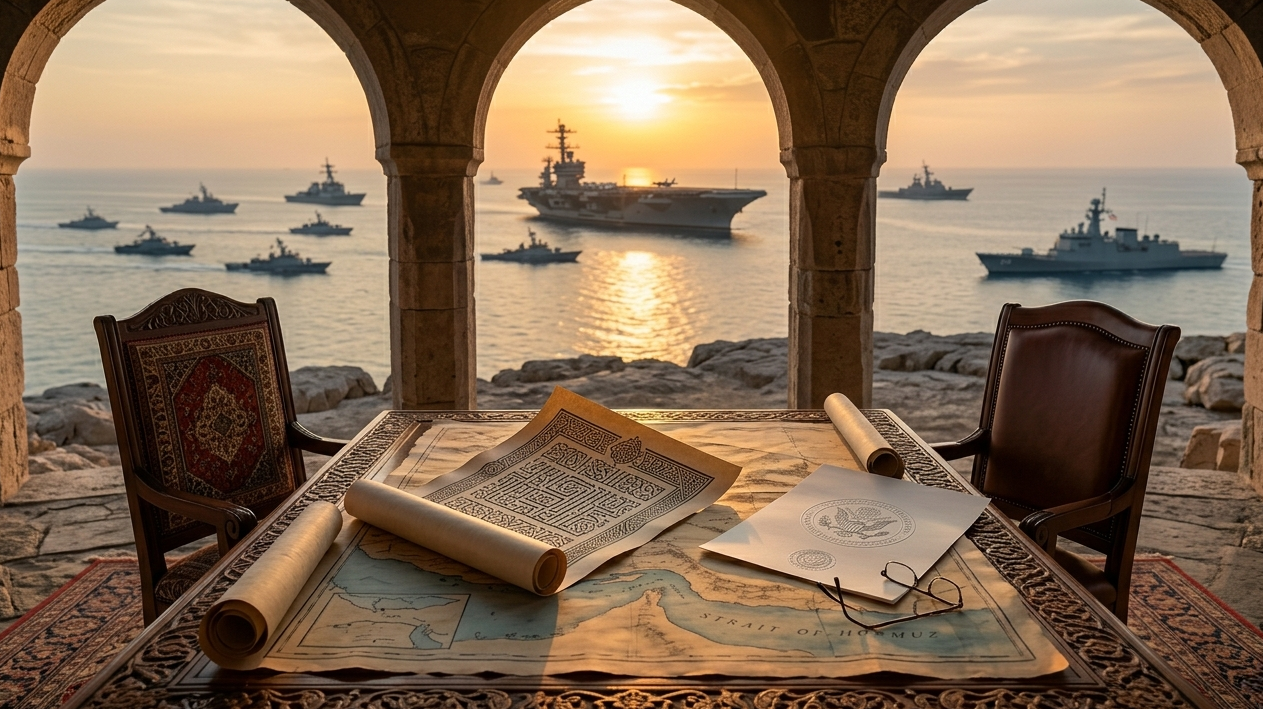
The Islamic Revolutionary Guard Corps (IRGC) Navy has announced that the Strait of Hormuz, a crucial passage for global oil shipments, will never return to its pre-war status. The statement comes amid rising tensions with the United States and Israel and growing uncertainty over energy and security in the Gulf.
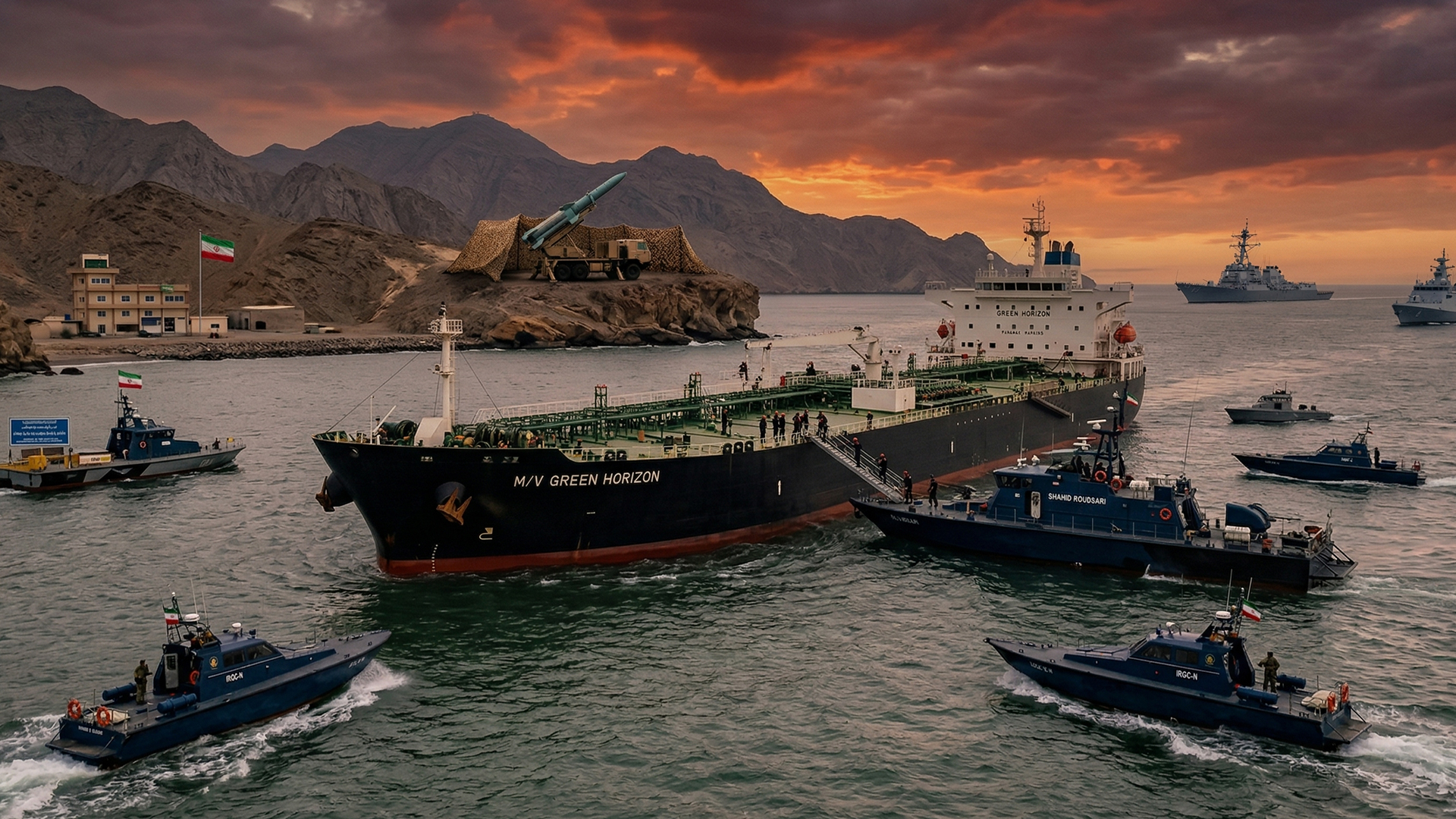
The Strait of Hormuz is one of the world’s most important shipping routes, carrying nearly 20% of global crude oil and liquefied natural gas. Historically, it allowed relatively free passage for international vessels. But the ongoing conflict has forced Iran to tighten control over the waterway, especially for countries it considers adversaries, while maintaining limited access for commercial traffic under strict conditions.
According to the IRGC, the conflict has created a “new reality” in the Gulf. Iranian officials say that regional countries, not foreign powers, should now have the primary role in maintaining security and overseeing the Strait. This reflects Tehran’s long-standing goal to reduce US and Israeli influence in the region.
The IRGC also outlined plans for a new operational strategy, which may include increased naval patrols, advanced monitoring systems, and rapid response units to safeguard Iranian waters and energy routes. Military experts say this is part of a broader effort to assert long-term control over one of the world’s most strategically sensitive waterways.
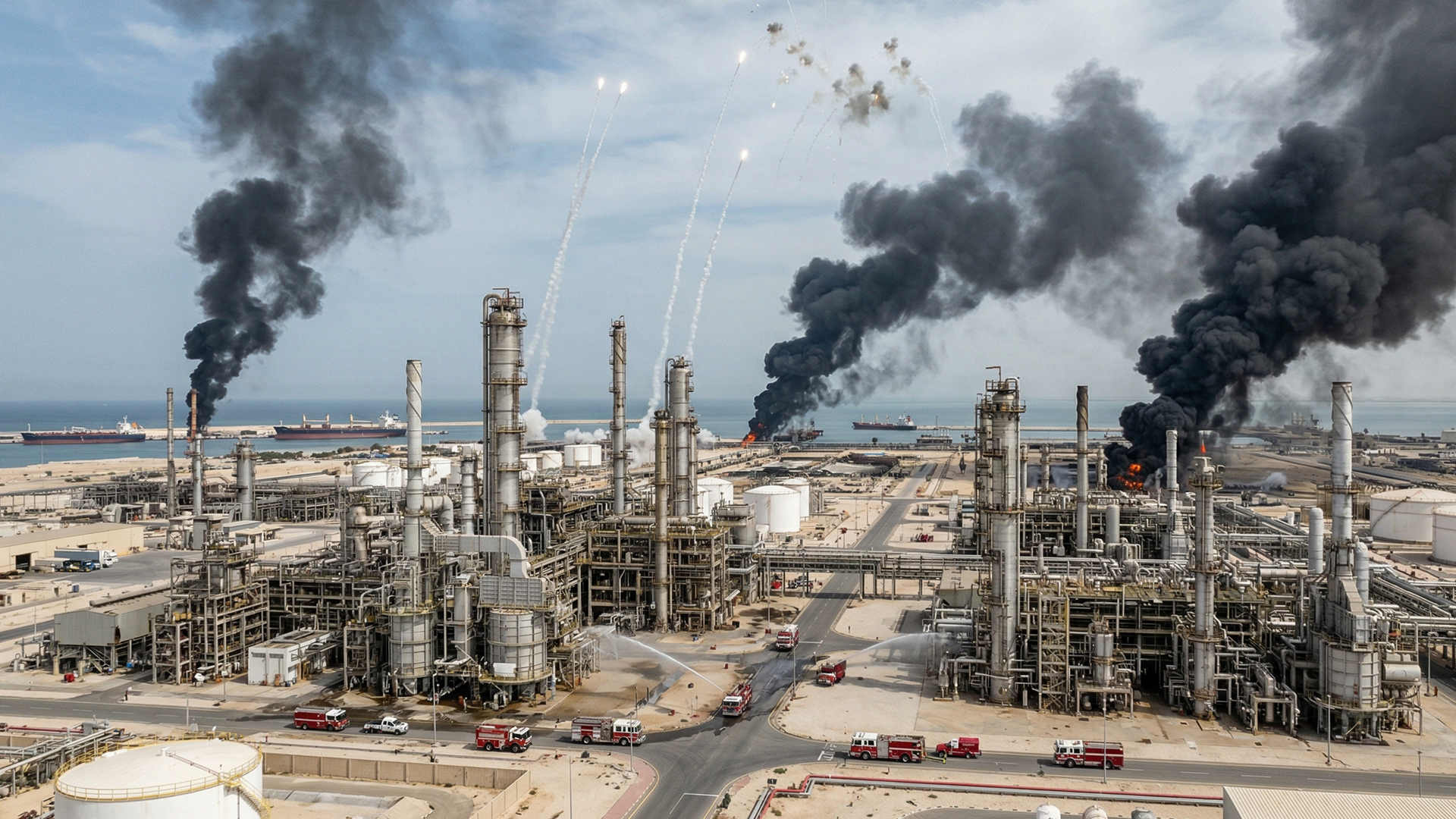
The announcement comes amid escalating threats. The United States has warned of possible strikes on Iranian infrastructure if the Strait remains restricted, while Iran has rejected ceasefire proposals it views as favoring foreign interests.
For global markets, the changes in the Strait’s operation could have lasting consequences, affecting oil supply, shipping routes, and regional stability.
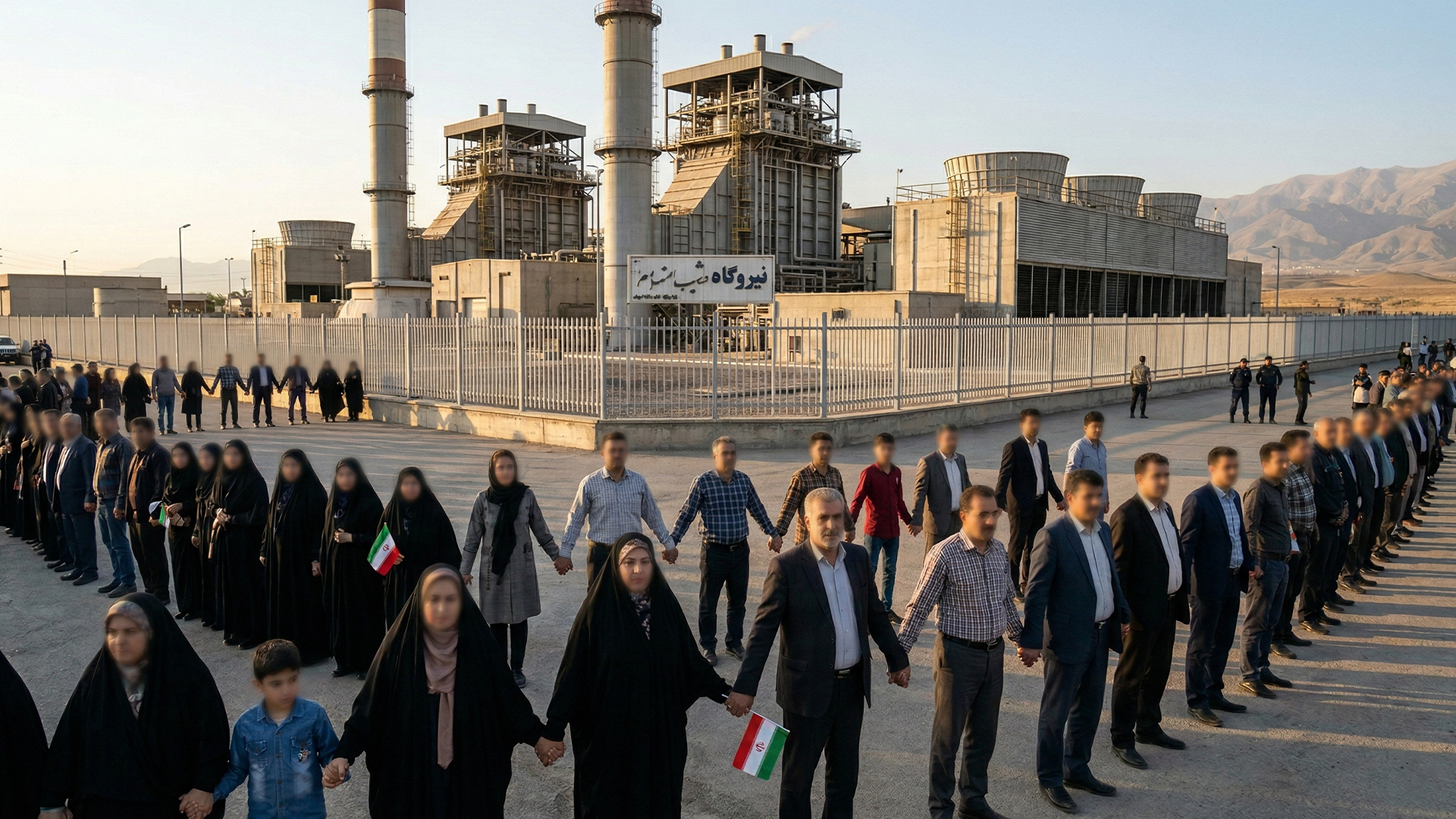
Also Read: Iran’s human chain amid Trump’s deadline