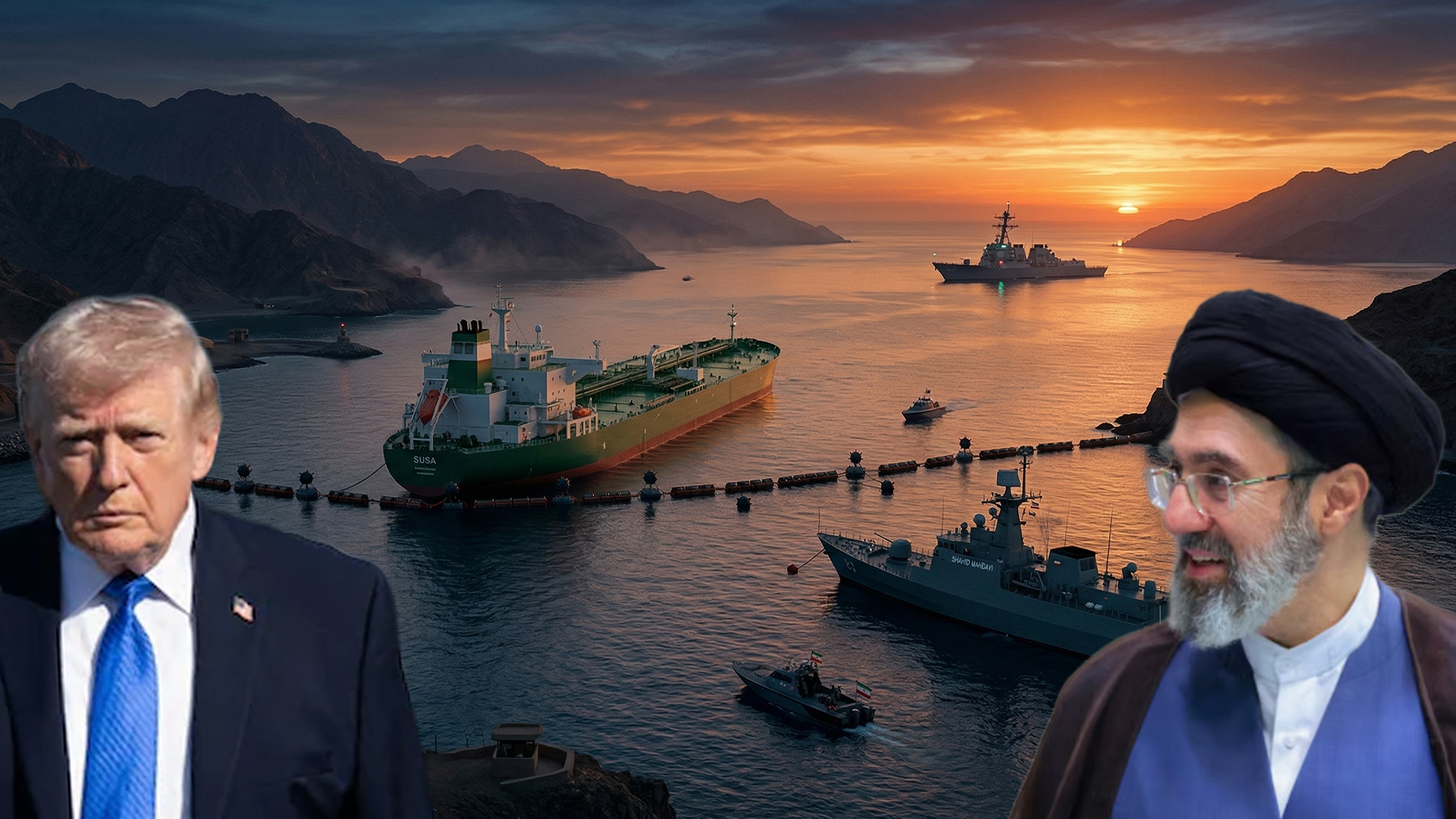
Iran has rejected a US proposal to end the ongoing war, stating it will agree to a ceasefire only if its own conditions are met. Tehran called the US plan unacceptable, saying any peace deal must happen on Iran’s terms.
According to Iranian officials, the country has listed five key conditions for stopping the conflict. These include a complete halt to attacks, mechanisms to prevent future fighting, compensation for war damages, an end to hostilities on all fronts, and international recognition of Iran’s control over the Strait of Hormuz, a vital waterway for global trade.
The US plan reportedly offered sanctions relief and an end to fighting if Iran limited its nuclear program, stopped uranium enrichment, and reduced support for allied forces in the region. Iran rejected this approach, saying it would not accept terms that threaten its sovereignty or are one-sided.
Diplomats, including representatives from Pakistan and other countries, have been trying to mediate and reduce tensions. But Iran’s rejection shows deep mistrust between Tehran and Washington. Iranian leaders insist that peace cannot be forced from outside and that security guarantees and respect for national rights are essential before any agreement.
The ongoing war has raised concerns in the region, with military actions affecting both local populations and global trade routes. Iran has emphasized that only a full stop to enemy attacks and respect for its strategic rights, especially over the Strait of Hormuz, can lead to meaningful talks and a lasting ceasefire.
The US says it wants a peaceful resolution but has not shared any updated plan after Iran’s refusal. With the five conditions on the table and tensions high, diplomats face a tough challenge, and an immediate end to the conflict seems uncertain.