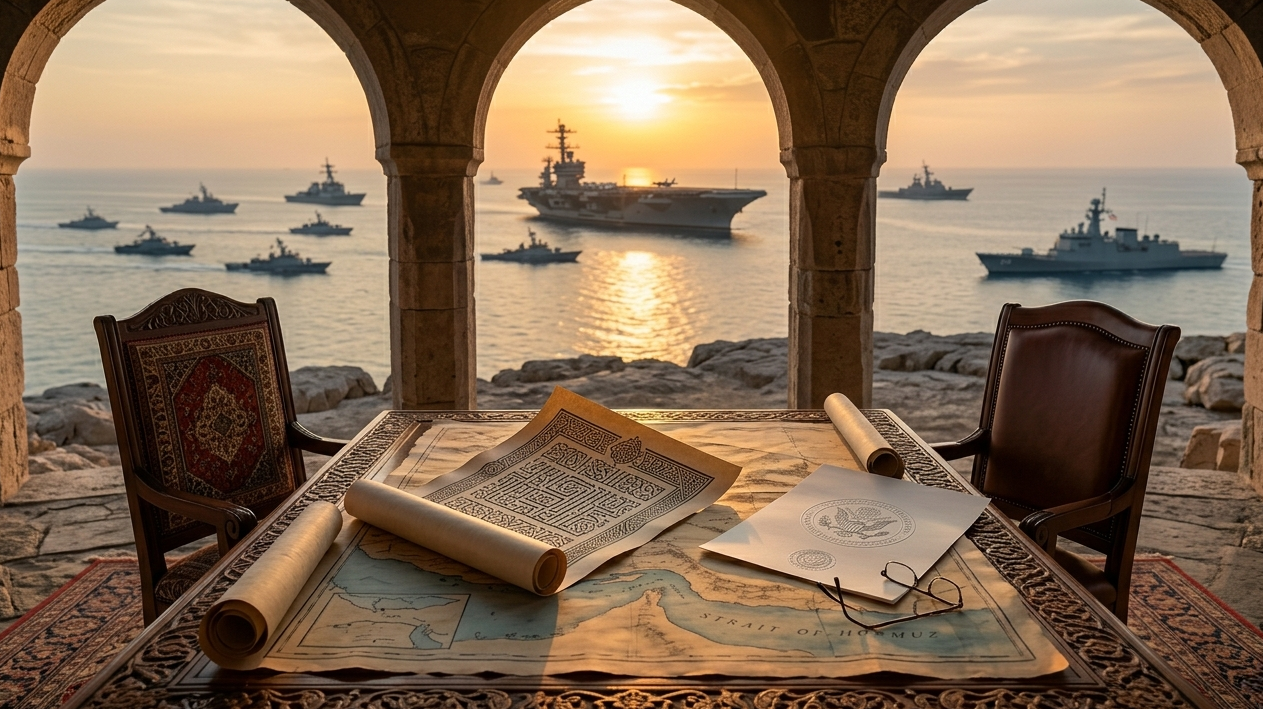
Tensions between the United States and Iran escalated sharply on April 7, 2026, as US President Donald Trump set a Tuesday evening deadline for Iran to reopen the Strait of Hormuz. He warned that if Tehran failed to comply, the US could target bridges, power plants, and other infrastructure, saying the entire country “can be taken out in one night.”
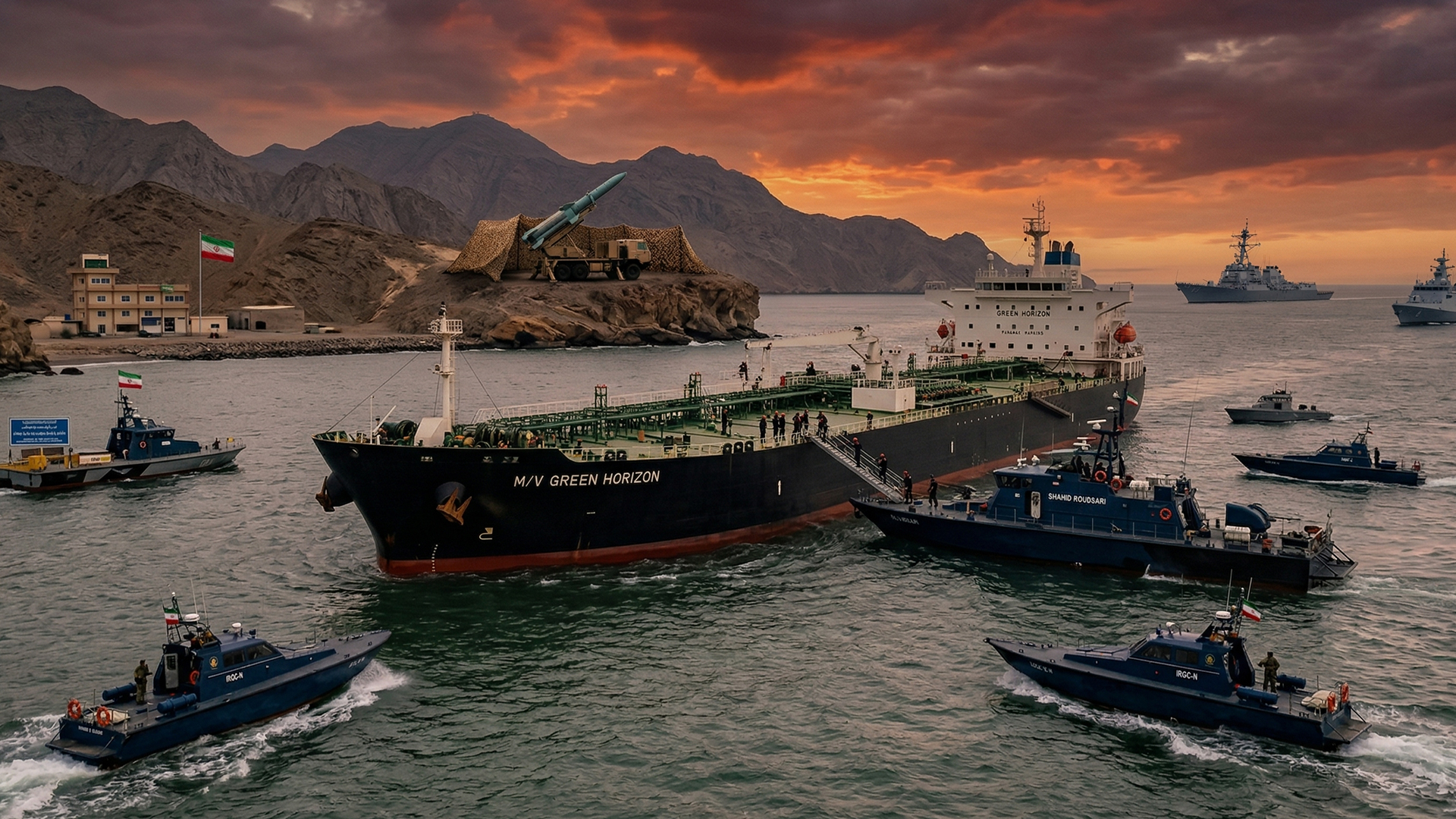
The Strait of Hormuz is a crucial route for global oil shipments, with roughly 20% of the world’s oil passing through it. Iran’s restrictions on access have already caused oil prices to rise above $110 a barrel and increased concerns over global energy supply.
Earlier, Iran rejected a proposed 45‑day ceasefire, insisting on a long-term solution that guarantees its security. Diplomatic efforts led by Pakistan, Egypt, and Turkey have been ongoing, but so far, no agreement has been reached.
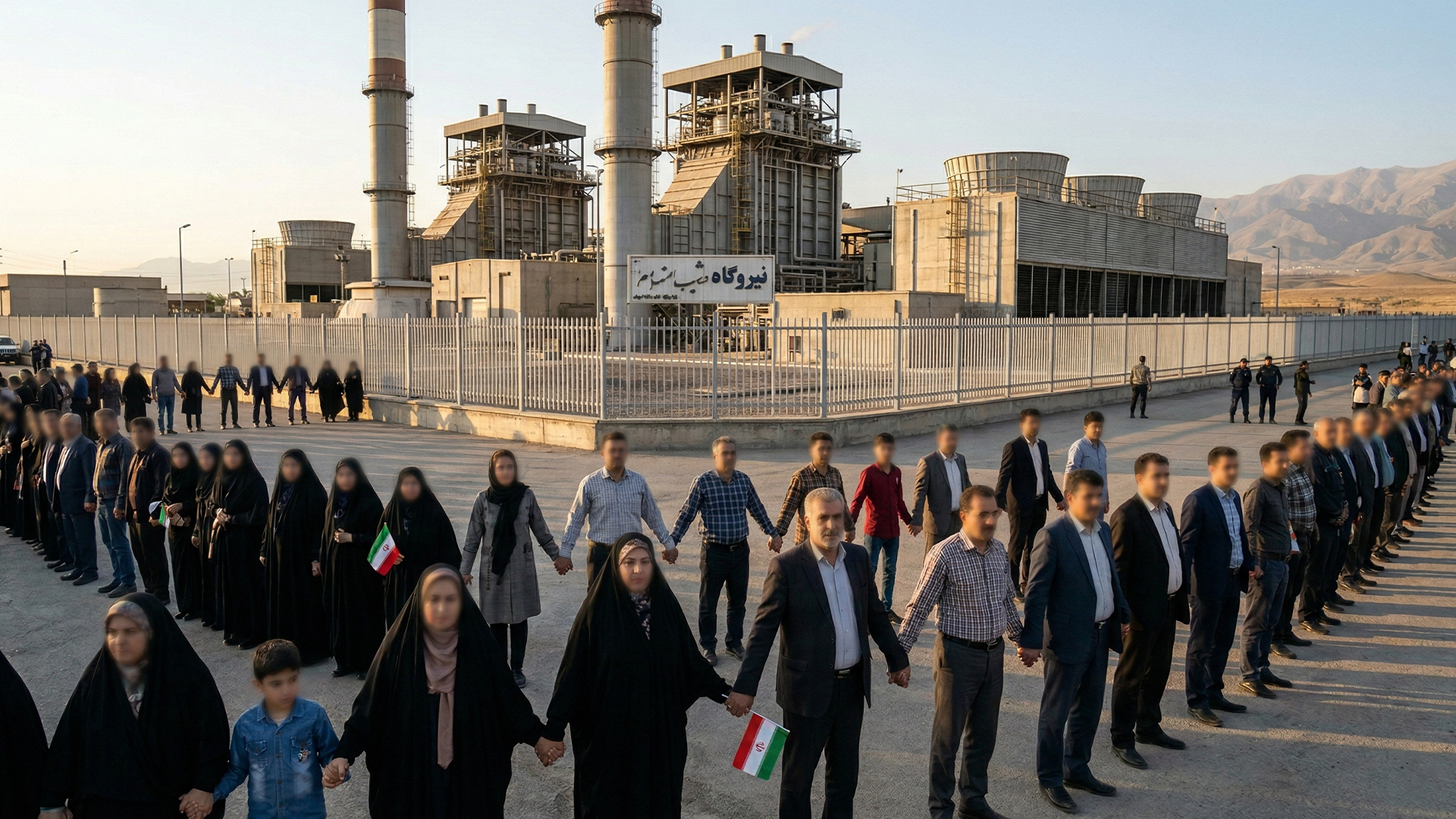
In response to the US threats, Iranian authorities called on youth, students, athletes, and artists to form symbolic human chains around power plants and energy facilities. The campaign is intended to show Iran’s determination to protect its infrastructure and resist foreign attacks.
At the same time, Saudi Arabia closed the King Fahd Causeway, the only road to Bahrain, after missile threats from Iran. The closure highlights how the conflict is affecting not only Iran but also neighboring countries and regional transport.
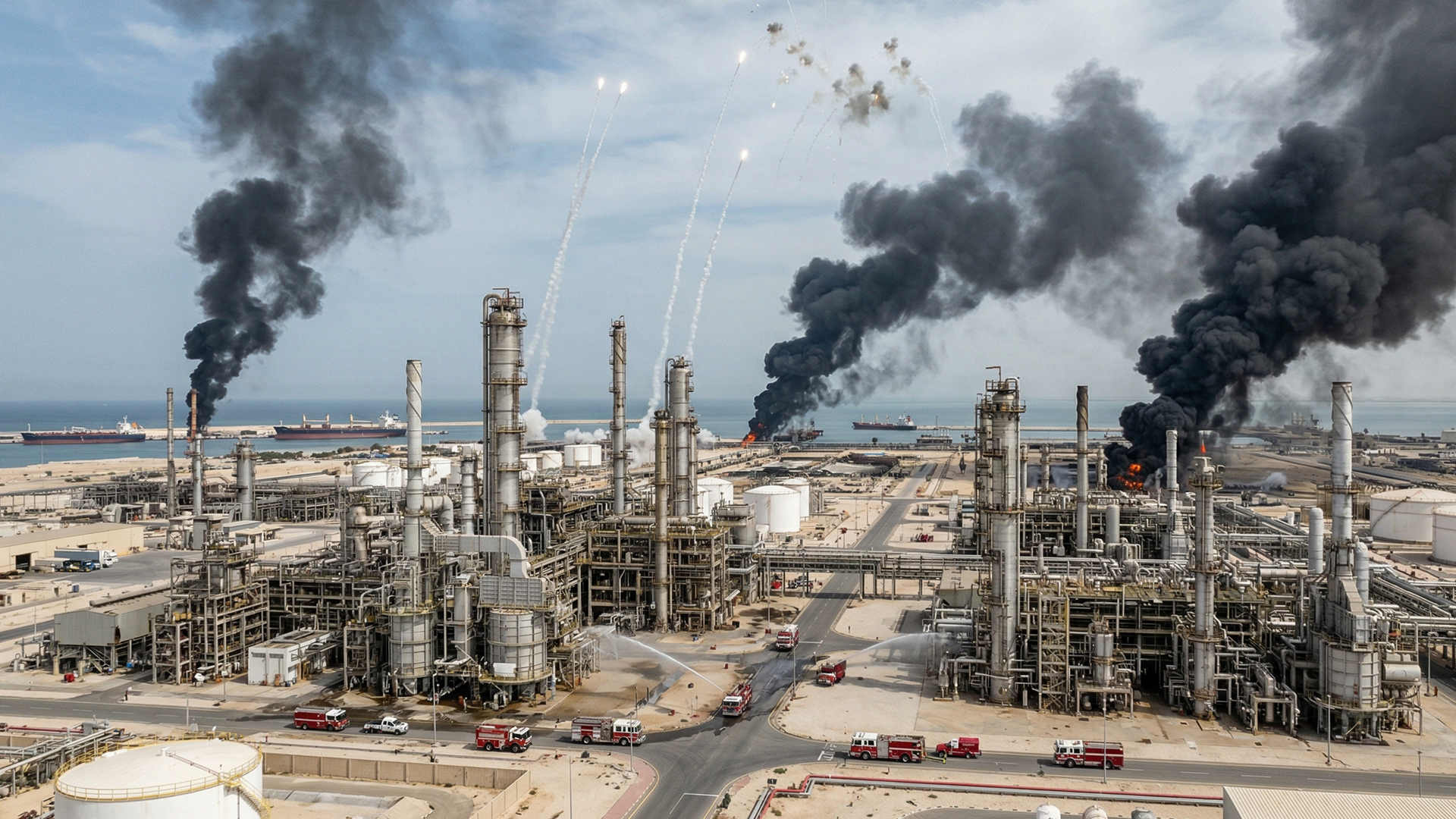
The situation has already led to missile exchanges and international warnings. Israel has cautioned against using trains in certain regions of Iran, and world leaders have stressed that attacks on civilian infrastructure could have serious humanitarian and legal consequences.
Also Read: India warns travellers to Vietnam