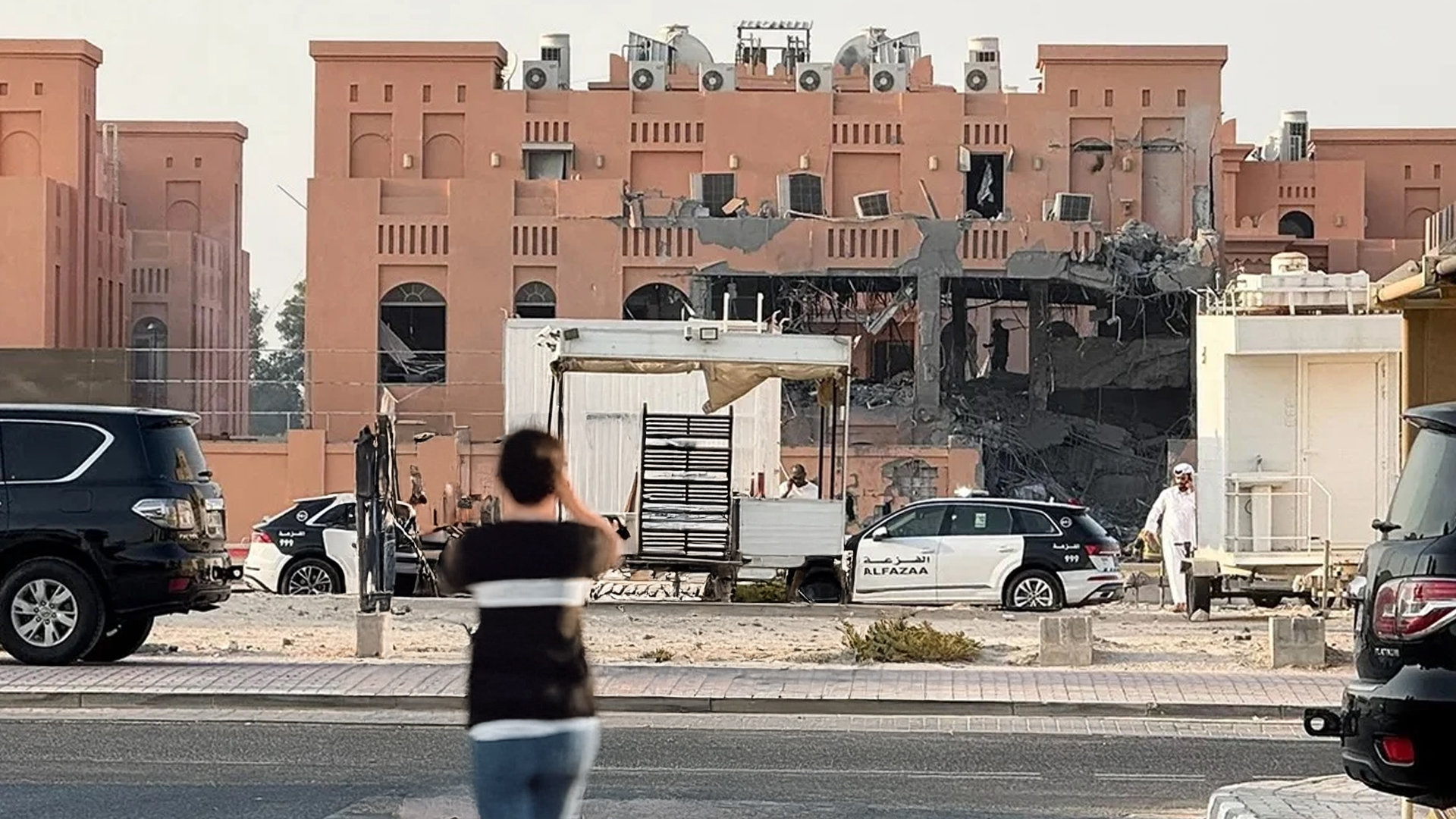
Israel’s surprise airstrike in Doha, the capital of Qatar, targeting Hamas officials has triggered a wave of international condemnation and raised serious concerns about the future of peace negotiations in Gaza. The attack, carried out late Tuesday night, killed six individuals, including the son of exiled Gaza chief Khalil al-Hayya, but Hamas reported that its senior leadership, including ceasefire negotiators, survived.
The strike targeted a residential area in Doha’s Leqtaifiya district, where members of Hamas’s political bureau were meeting to discuss a potential ceasefire with mediation from Qatar and the United States. The Israeli military, in a joint statement with its security agency, said it conducted a precision operation “prior to which measures were taken to mitigate harm to civilians, including the use of targeted munitions and intelligence verification.”
The attack came just hours after Israel’s military warned Gaza City’s residents to evacuate before launching an offensive aimed at seizing control of Hamas’s last stronghold. The United Nations has repeatedly warned that the humanitarian crisis in Gaza has reached catastrophic levels, with hundreds of thousands of residents living under famine-like conditions.
U.S. involvement in the episode has been controversial. White House officials confirmed that Washington had been informed of Israel’s plans prior to the strike, and President Donald Trump directed his Middle East envoy, Steve Witkoff, to alert Qatari authorities. However, Qatari officials claimed they only received a warning as the explosions began, undermining the White House’s attempts to manage the fallout.
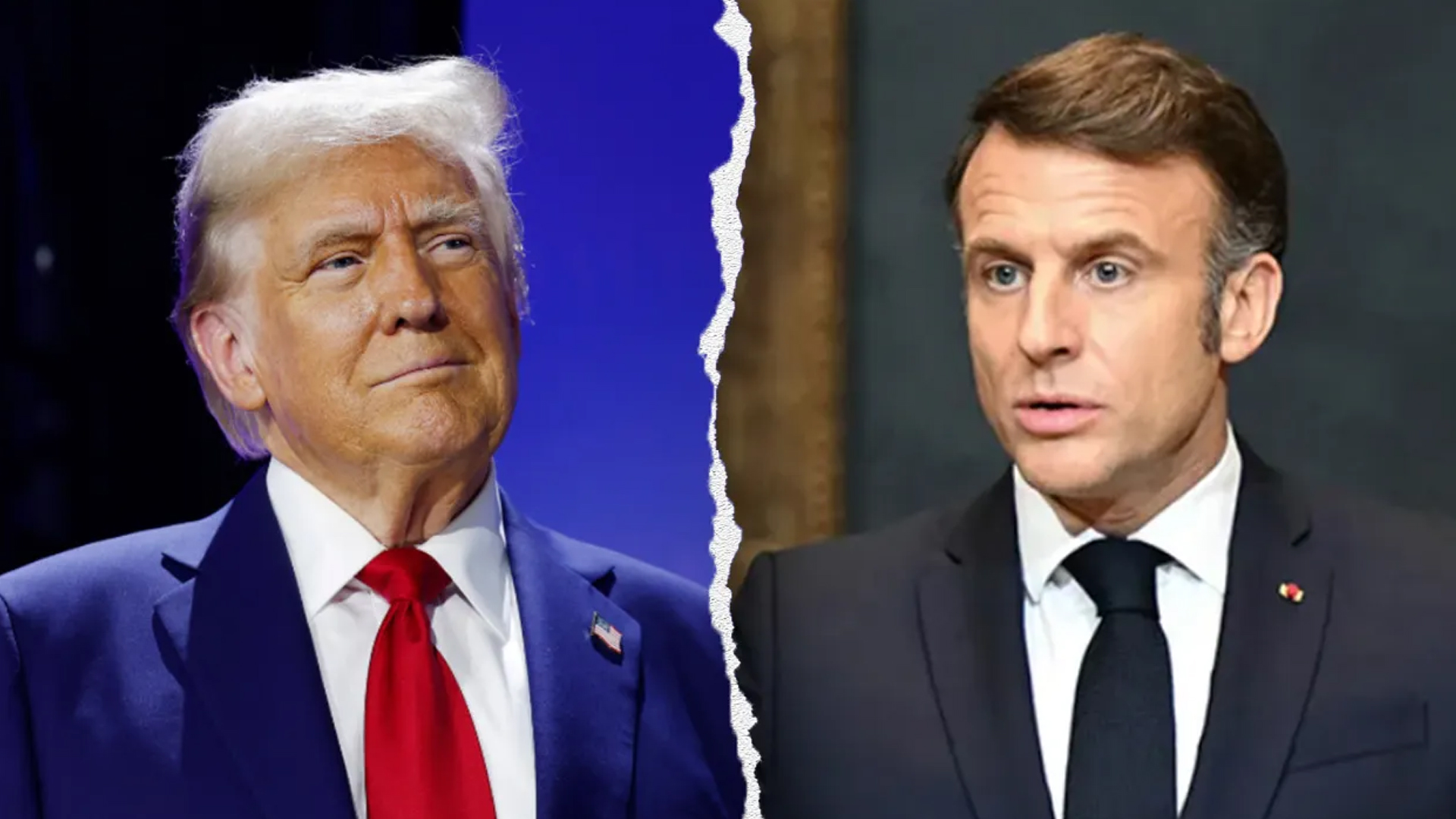
Speaking on social media, Trump distanced himself from the attack, saying it was an independent Israeli operation. “This was a decision made by the prime minister Netanyahu; it was not a decision made by me,” Trump wrote on his Truth Social account. He added that although the U.S. had tried to warn Qatar, it was “unfortunately too late.”
The White House’s response, however, sought to balance condemnation with continued support for its allies. Press Secretary Karoline Leavitt stated, “Unilaterally bombing inside Qatar, a sovereign nation and close ally of the United States that is working very hard in bravely taking risks with us to broker peace, does not advance Israel or America’s goals.” She emphasized that while eliminating Hamas remained a legitimate objective, attacking a trusted partner was a grave misstep.
Israeli Prime Minister Benjamin Netanyahu accepted full responsibility for the strike. “Today’s action against the top terrorist chieftains of Hamas was a wholly independent Israeli operation,” Netanyahu said in a statement. “Israel initiated it, Israel conducted it, and Israel takes full responsibility.”
Qatar, long a key mediator in Middle Eastern conflicts, reacted strongly. Prime Minister Sheikh Mohammed bin Abdulrahman Al Thani denounced the attack as “state terrorism” and warned that Qatar reserves the right to respond. He insisted that Doha’s efforts to mediate peace were integral to its national identity and would continue despite Israeli aggression.
The Arab League echoed Qatar’s condemnation. Secretary General Ahmed Aboul Gheit accused Israel of violating Qatar’s sovereignty and acting with impunity. Turkey’s foreign ministry similarly accused Israel of “adopting terrorism as state policy.”
The attack also prompted reactions in Europe. UK Prime Minister Keir Starmer condemned the assault as a blatant violation of sovereignty and warned that it could inflame tensions across the region. However, UK sources confirmed that Starmer still planned to meet Israeli President Isaac Herzog in London.
This strike further complicates ongoing ceasefire negotiations. Along with the U.S. and Egypt, Qatar has spearheaded efforts to bring Hamas to the table after the October 2023 conflict escalated into a full-scale war. Hamas, which controls Gaza, claimed that proposals under consideration were genuine efforts to achieve peace, dismissing Israeli accusations of duplicity.
With tensions escalating, the international community now faces a critical test: whether it will continue to support diplomatic channels or allow military actions to derail peace efforts. As Doha reels from the blast, the question remains whether dialogue can be salvaged amid growing distrust, rising casualties, and deepening geopolitical divides. The coming days will be decisive for both the fate of Gaza and the broader stability of the Middle East.
Also Read: C.P. Radhakrishnan Elected as India’s 15th Vice President in Resounding NDA Victory