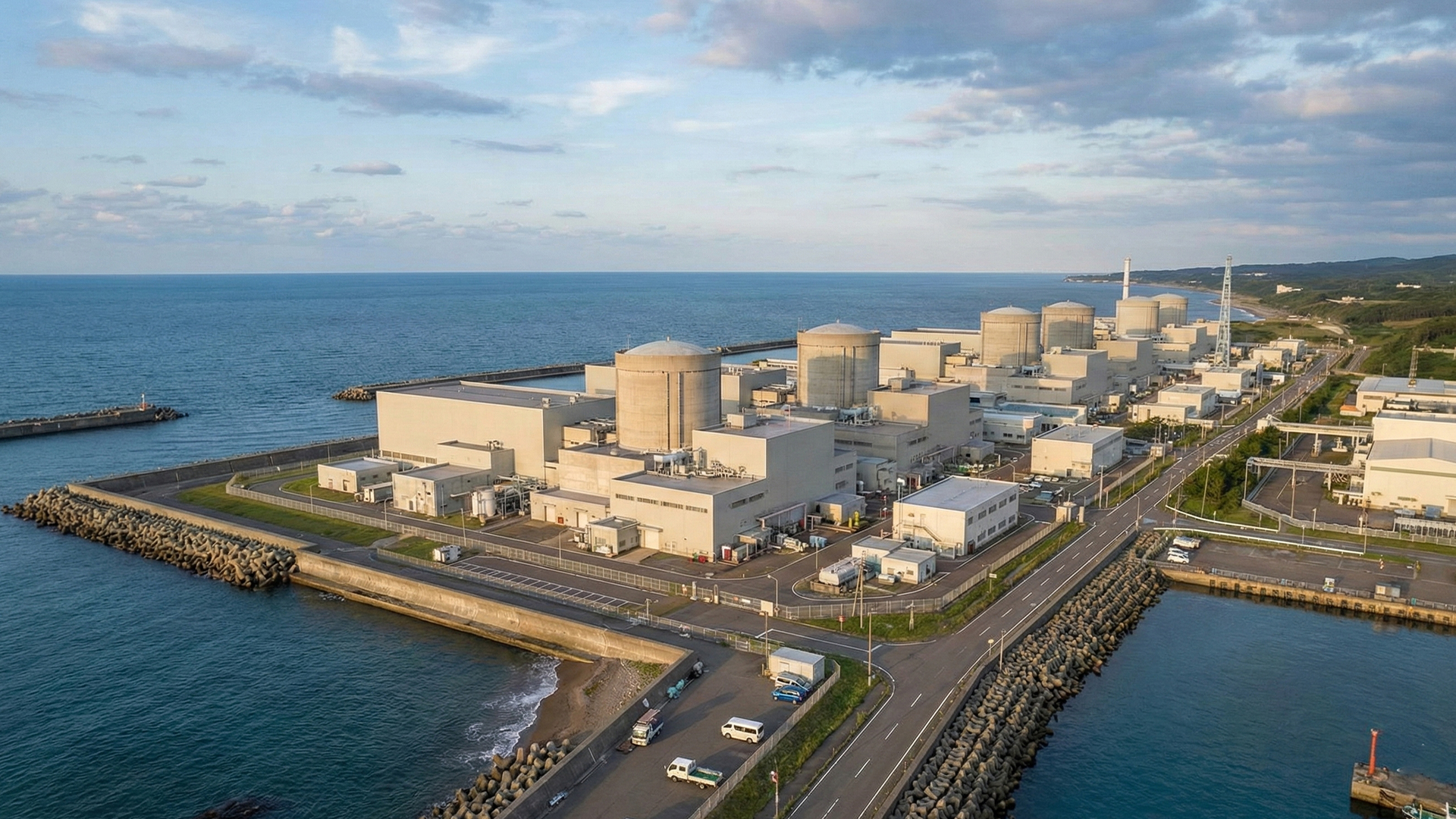
After more than a decade of silence, Japan’s Kashiwazaki-Kariwa nuclear power plant is set to resume operations. Located in Niigata Prefecture, around 220 km from Tokyo, this is the world’s largest nuclear plant by capacity, capable of generating nearly 8,000 megawatts of electricity.
The decision came after the Niigata Prefectural Assembly endorsed Governor Hideyo Hanazumi’s call to allow the plant’s restart, clearing the last local hurdle. The plant had been shut down since the 2011 Fukushima disaster, which shook public confidence in nuclear energy across the country.
For TEPCO, the plant’s operator, this is a major milestone. Officials plan to bring at least one reactor back online by early 2026, following strict safety checks and operational preparations. The restart is seen as a critical move to stabilize Japan’s energy supply, reduce dependence on imported fossil fuels, and help manage electricity costs.
Public sentiment remains mixed. Some locals recall the Fukushima tragedy and worry about safety risks, while others welcome the restart, recognizing its potential to support the region’s economy and provide reliable electricity.
For Japan, the revival of Kashiwazaki-Kariwa is a symbol of resilience and a careful balancing act between safety, sustainability, and progress. After years of cautious planning and debate, the plant’s hum will soon return, marking a significant moment in the country’s post-Fukushima journey.