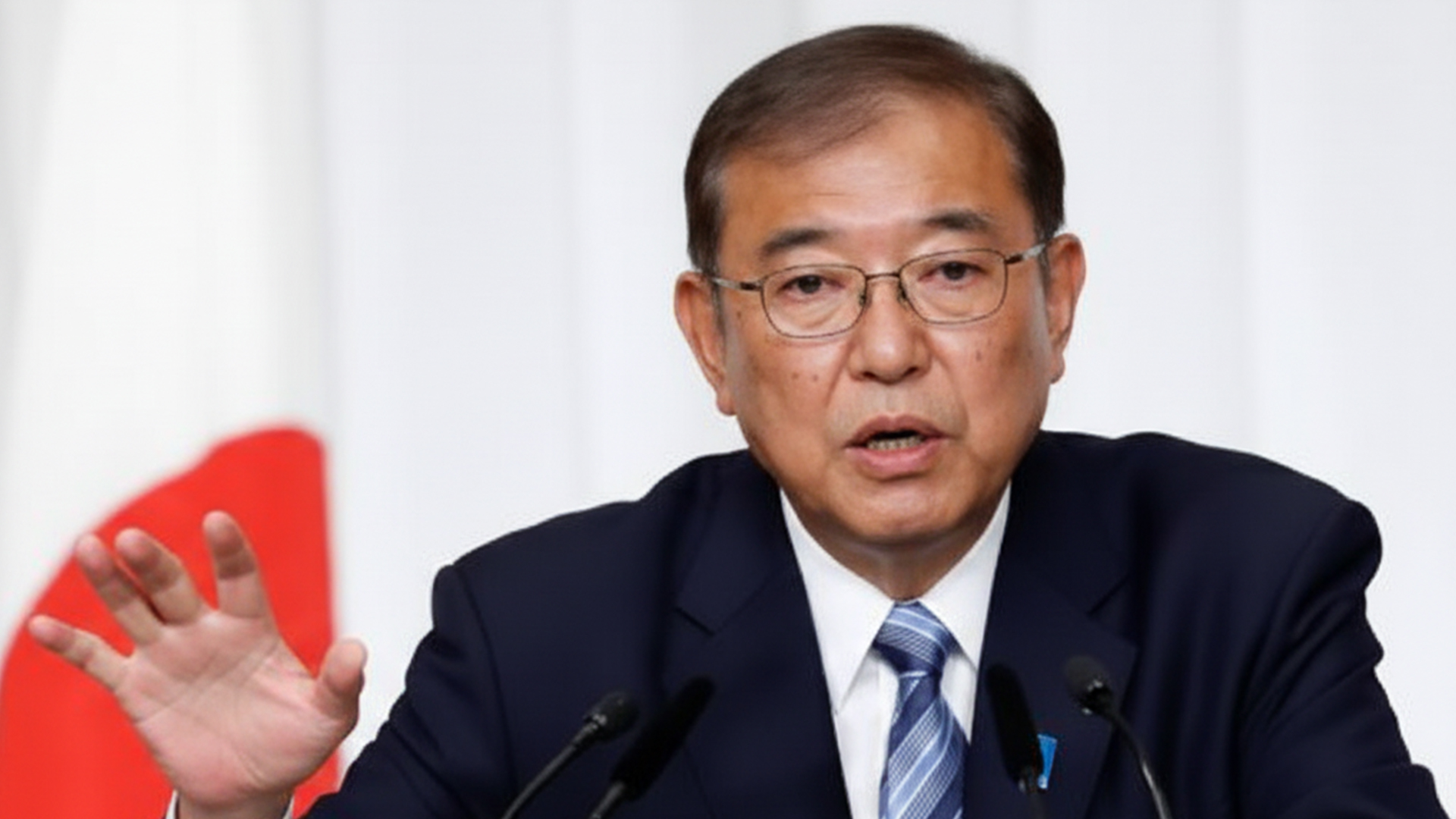
Japan’s Prime Minister Shigeru Ishiba has announced he will resign as leader of the ruling Liberal Democratic Party (LDP) following the party’s heavy losses in the July parliamentary elections. The move signals a major shift in Japan’s political landscape and sets the stage for a competitive leadership race to determine the country’s next prime minister.
The LDP suffered significant setbacks in the elections, losing its majority in both the upper and lower houses of parliament and weakening its coalition with the Komeito party. Despite initial resistance to stepping down, Ishiba cited the recent finalization of a crucial U.S.–Japan tariff agreement as a reason for delaying his resignation, stating it was now time to “pass the baton to the next generation.”
Ishiba will remain in office until a new party leader is chosen, with the LDP leadership election scheduled for October 4. The winner is expected to be confirmed as prime minister by parliament soon after.
Several prominent figures have declared their candidacies. Shinjiro Koizumi, the Minister of Agriculture and Forestry and son of former Prime Minister Junichiro Koizumi, has emerged as a front-runner, backed by Finance Minister Katsunobu Kato. Koizumi’s campaign emphasizes reform and economic revitalization.
Chief Cabinet Secretary Yoshimasa Hayashi has also announced his bid, advocating for a balanced approach that promotes both stability and growth. Other contenders include former Foreign Minister Toshimitsu Motegi, who supports the Bank of Japan’s plan to gradually normalize its ultra-easy monetary policy, and former Internal Affairs Minister Sanae Takaichi, who would become Japan’s first female prime minister if elected.
The leadership contest comes amid ongoing challenges for Japan, including rising inflation, economic uncertainty, and public dissatisfaction. The new prime minister will face the urgent task of navigating domestic reforms while maintaining Japan’s key international relationships, particularly with the United States.
The outcome of this leadership race will not only determine the future direction of Japan’s policies but also carry significant implications for regional stability and the global economy.
Also Read: Trump Extends TikTok Deadline to December 16 Amid U.S.-China Deal