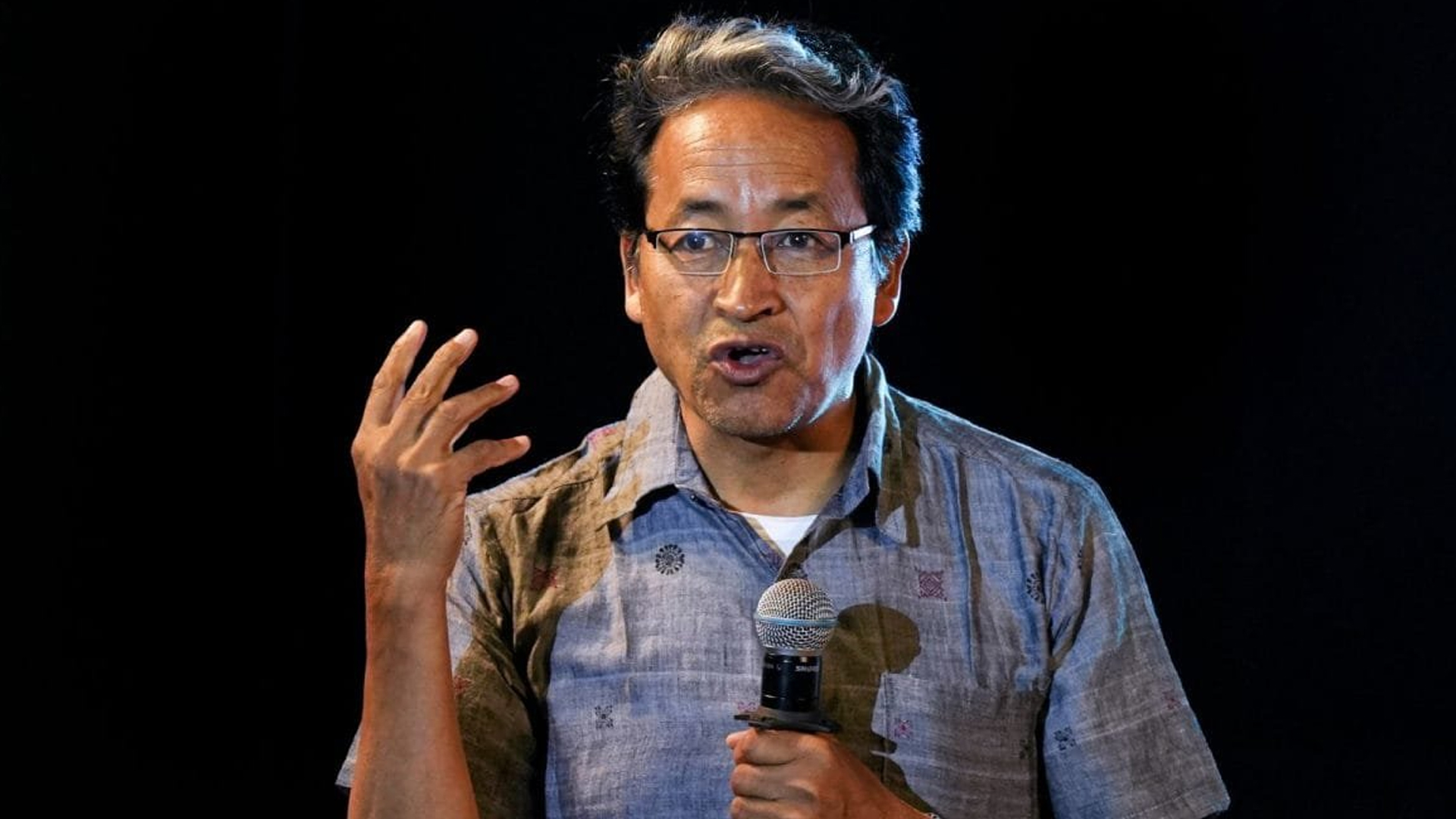
Prominent Ladakh activist and climate reformer Sonam Wangchuk was arrested on Thursday, minutes before he was scheduled to address a virtual press conference. His detention comes amid escalating tensions in Ladakh following violent protests demanding statehood and constitutional safeguards. The government also imposed an internet shutdown in Leh, further fueling concerns of a crackdown on dissent.
The protests erupted after two weeks of Wangchuk’s hunger strike advocating for greater autonomy and protections under the Sixth Schedule of the Indian Constitution. Clashes between protesters and police resulted in four deaths and dozens of injuries. Demonstrators targeted government buildings and vehicles in an unprecedented show of anger against perceived broken promises by authorities since Ladakh lost its autonomous status in 2019.
Authorities invoked the National Security Act (NSA) to detain Wangchuk, accusing him of making “provocative statements” that incited the unrest. He was subsequently transferred to Jodhpur Central Jail in Rajasthan due to security concerns. In addition, the Ministry of Home Affairs revoked the foreign funding license of his non-profit organization, alleging financial violations—a move Wangchuk’s supporters say is politically motivated.
The timing of Wangchuk’s arrest, just before his planned press briefing, and the abrupt internet blackout drew widespread condemnation. Opposition leaders, civil rights groups, and activists decried the actions as a suppression of democratic rights and an attempt to silence peaceful advocacy.
Wangchuk, a globally recognized innovator whose life inspired the film 3 Idiots, denies any role in inciting violence. He attributes the protests to public frustration over unfulfilled government promises regarding job security, cultural preservation, and environmental protection in the strategically sensitive region.
As Ladakh’s political unrest deepens, calls grow louder for dialogue and democratic engagement rather than punitive measures. Wangchuk’s detention has intensified the region’s volatility, raising questions about the future of dissent and governance in Ladakh.
Also Read: H-IB Row: S. Jaishankar Advocates ‘Global Workforce’ Model