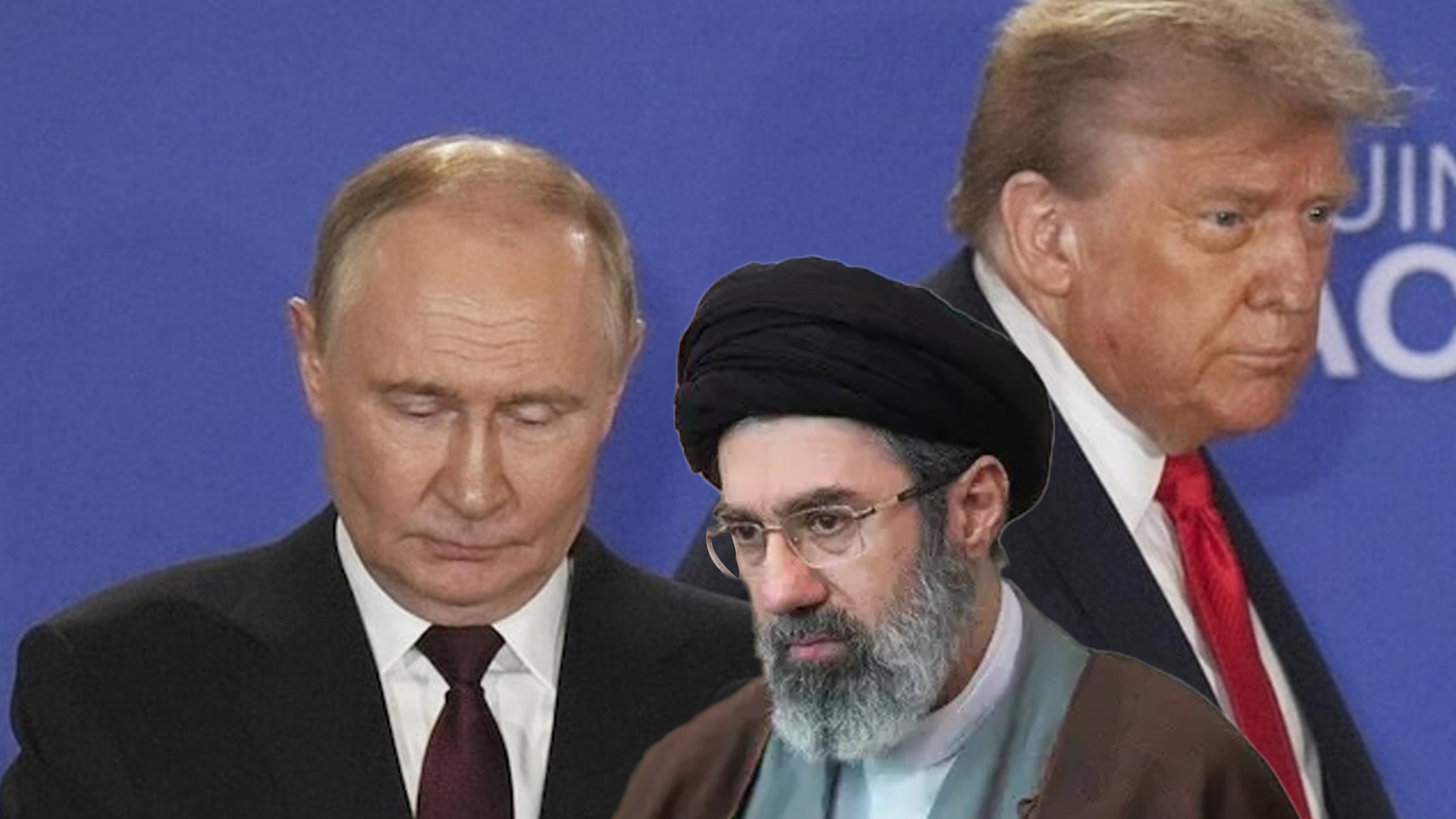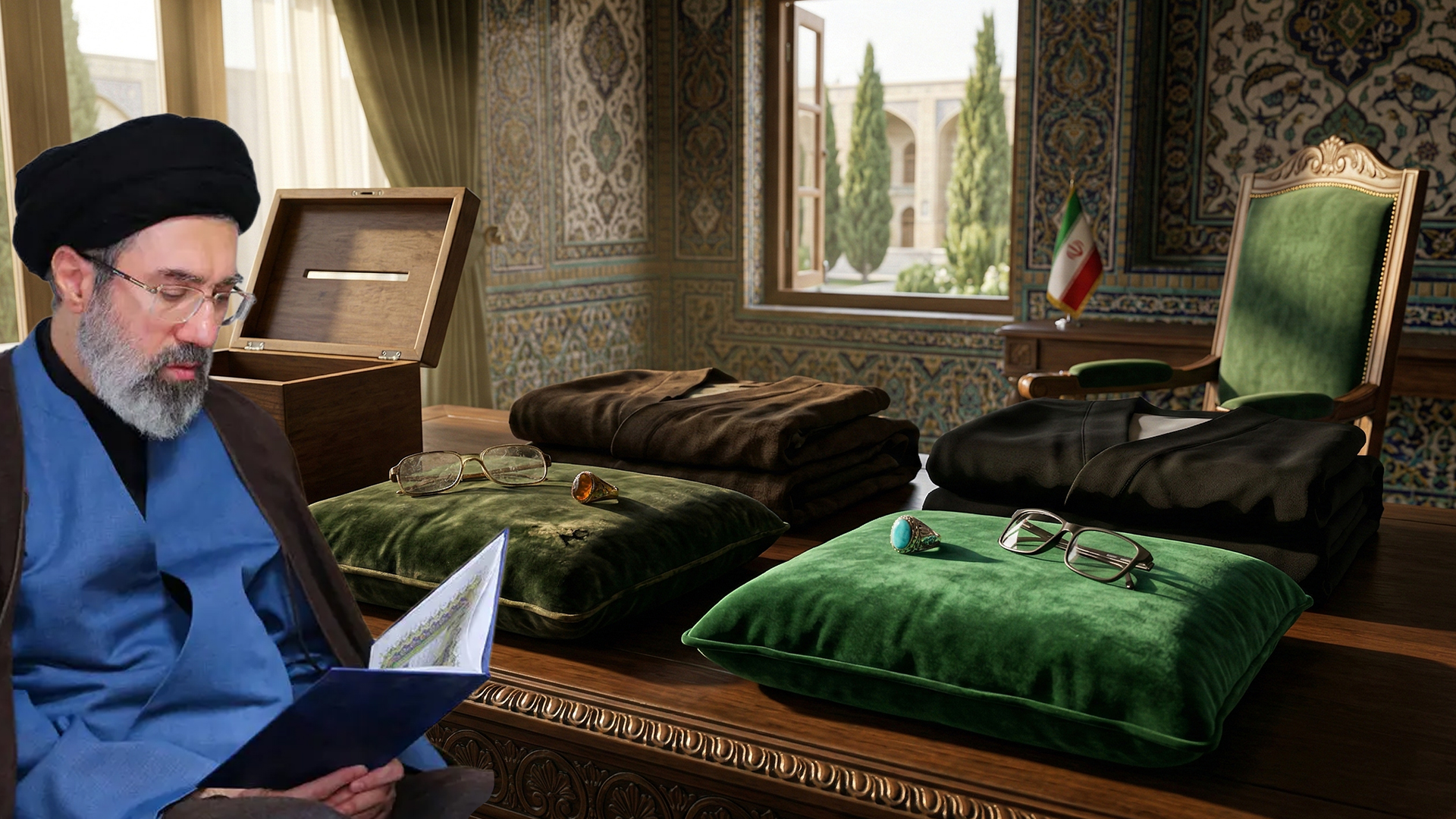
Iran has officially appointed Mojtaba Khamenei, son of the late Ayatollah Ali Khamenei, as the country’s new Supreme Leader, following his father’s death in a joint US–Israel strike that escalated regional conflict. The decision was announced on March 8 by the Assembly of Experts, which is constitutionally responsible for selecting the nation’s top leader.
Mojtaba, 56, assumes control at a critical time. The Supreme Leader holds ultimate authority over Iran’s political system, the armed forces, judiciary, and key security institutions, giving him unmatched influence over the country’s domestic and foreign policies. Observers note that his leadership is expected to be closely aligned with hard-line factions within the government.
Though Iran’s system formally rejects hereditary succession, Mojtaba was widely seen as the probable successor due to his long-standing ties with conservative clerics and the Islamic Revolutionary Guard Corps (IRGC). State media and government officials quickly rallied support around him, presenting a unified front both to domestic audiences and the international community.
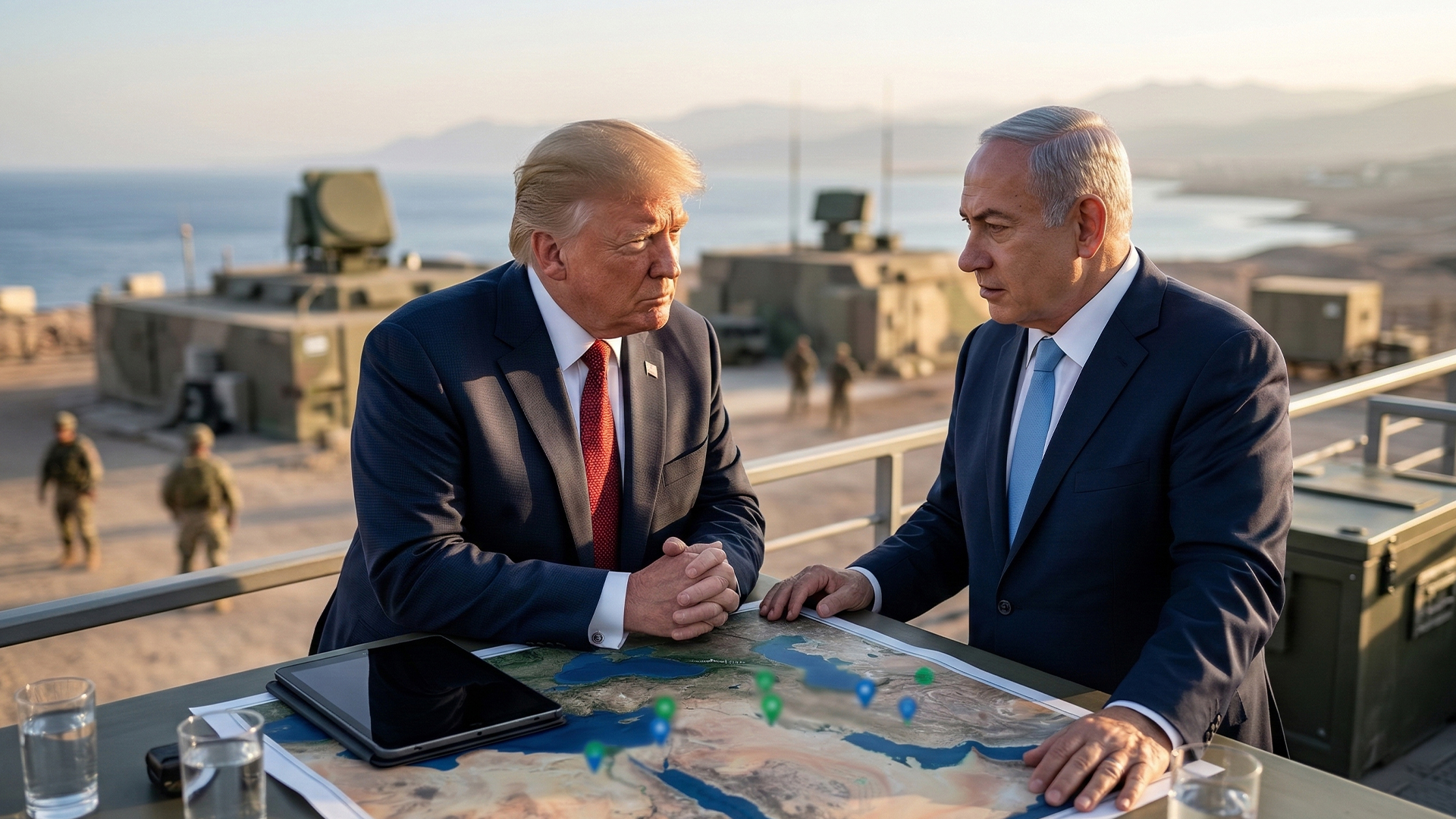
The appointment has triggered global reactions. United States officials expressed concern about the new leader’s hard-line stance, with warnings that Mojtaba’s policies could further heighten regional tensions. Israel also responded cautiously, signalling that military pressure on Iran may continue in response to aggressive actions.
Mojtaba inherits leadership at a volatile moment. The conflict with the US and Israel has already disrupted the Middle East, driving up global oil prices and intensifying military activity. Analysts say the new Supreme Leader’s close ties to conservative factions could shape Iran’s strategies in the ongoing conflict, potentially making diplomatic resolution more challenging.
Also Read: India eases port charges amid shipping chaos