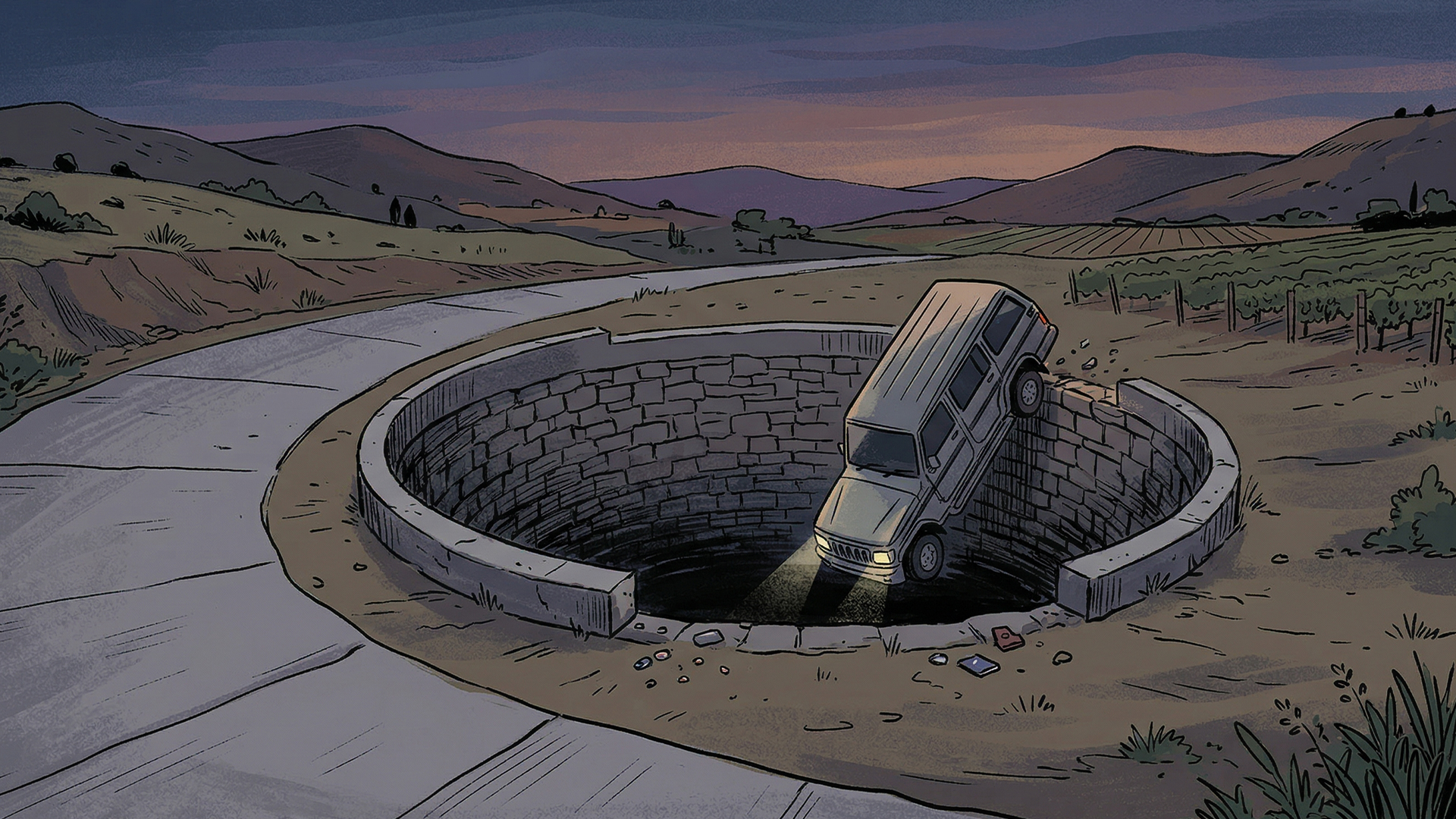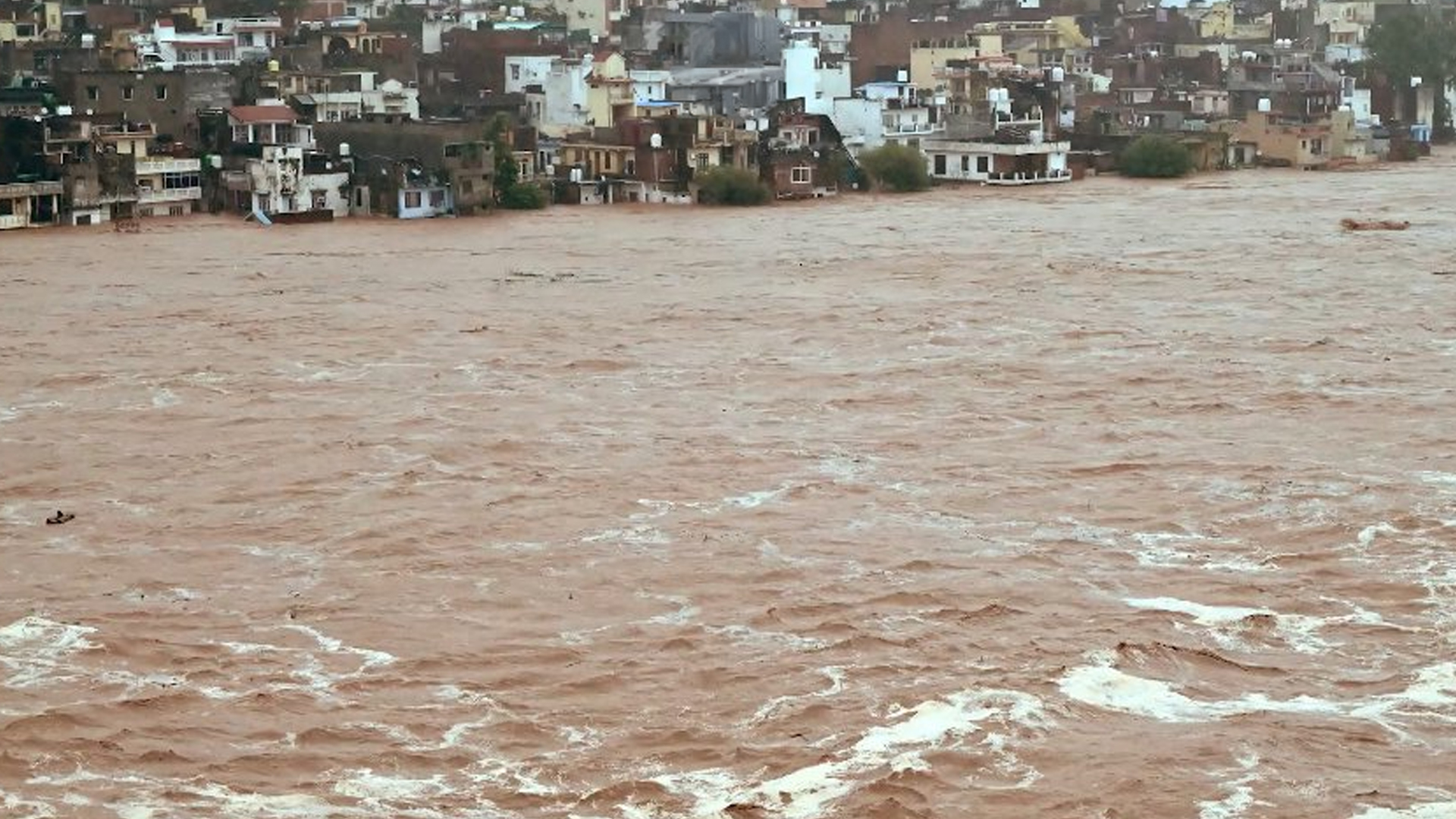
Jammu & Kashmir (J&K) continues to reel under an unprecedented monsoon assault. Relentless rainfall has devastated the region, triggering floods, landslides, and infrastructure destruction. On Tuesday, a portion of the Fourth Tawi River bridge in Jammu collapsed amidst ferocious downpours, stranding several vehicles perilously close to being swept away by the surging waters. Chilling visuals captured cars hanging precariously and dramatic rescue efforts by civilians and police just moments before the structure gave way. Simultaneously, the region’s rivers—including the Tawi, Chenab, Basantar, and Ravi—overflowed beyond alert levels, inundating low-lying areas, submerging roads, and paralyzing vital transportation routes.
Rail services were severely impacted: 18 trains were cancelled, numerous others short-terminated, and key routes like Chakki River and Jammu Tawi were suspended due to track damage. Schools and government offices across Jammu remain closed, with exams for Classes 10 and 11 postponed as communication lines — including mobile and internet services — collapsed in many areas.
Landslides and Flash Floods Cause Fatalities
A landslide struck the pilgrims’ route to the revered Mata Vaishno Devi shrine, claiming at least 30 lives. Pilgrims were caught off guard as boulders and debris came crashing down, prompting immediate rescue operations by Army units and local agencies.
In the Doda district, a cloudburst in the Charu Nallah area of Bhalesa triggered flash floods that submerged homes and killed three residents. Infrastructure like the Mughal Maidan bridge in Kishtwar also collapsed under the deluge’s force.
Across J&K, fatalities are mounting. Combined with previous flash floods—including one in Kishtwar earlier this month that killed 65—total lives lost in the region since June now exceed 60.
Situation Snapshot:
| Region | Key Impact | Casualties/Disruption |
|---|---|---|
| Jammu & Kashmir | Bridge collapse, landslides, flooded rivers | 60+ dead, transport & communication down |
| Doda/Kishtwar | Cloudburst-triggered flash floods | Multiple bridge collapses, 3+ killed |
| Pilgrimage Route (Vaishno Devi) | Landslide on route | ~30 pilgrims killed |
| India–Pakistan Border | Flood alerts via diplomacy amid IWT suspension | Large-scale evacuations in Pakistan |
| Punjab (India) | Rivers overflowing, infrastructure damage | Building collapse, boy electrocuted, mass evacuations |
Diplomatic Ripples: Flood Alerts Amid Treaty Tensions
Amid this environmental crisis, India issued a rare flood alert to Pakistan about the Tawi River’s swelling waters, marking the first such diplomatic contact since the suspension of the Indus Waters Treaty (IWT) after the April Pahalgam terror attack.
Pakistan responded with large-scale evacuations. Over 150,000 residents in eastern Punjab—particularly around the Ravi, Sutlej, and Chenab rivers—were moved to safety as India released dam water and warned of potential flooding. The move intensified criticism from Pakistan, with officials asserting that India bypassed formal treaty-based channels in favor of ad-hoc diplomacy.
North India Also Takes the Brunt
Neighboring Punjab, India, saw widespread inundation. Rivers including Ravi, Beas, Sutlej, and Ujh burst their banks, flooding villages and agricultural fields. Physical infrastructure suffered: an old bridge collapsed, roads were submerged, and crucial embankments weakened or failed.
Casualties and damages there included an 11-year-old boy’s death by electrocution in Barnala and multiple building collapses in Amritsar. Rescue teams from the Army, BSF, and local police responded with boats and helicopters to evacuate affected populations. Community kitchens and shelters were activated to support evacuees.
Punjab recorded a staggering 1,643% excess rainfall in just 24 hours, with more rain forecasted—raising concerns about further deterioration and prolonged disruptions.