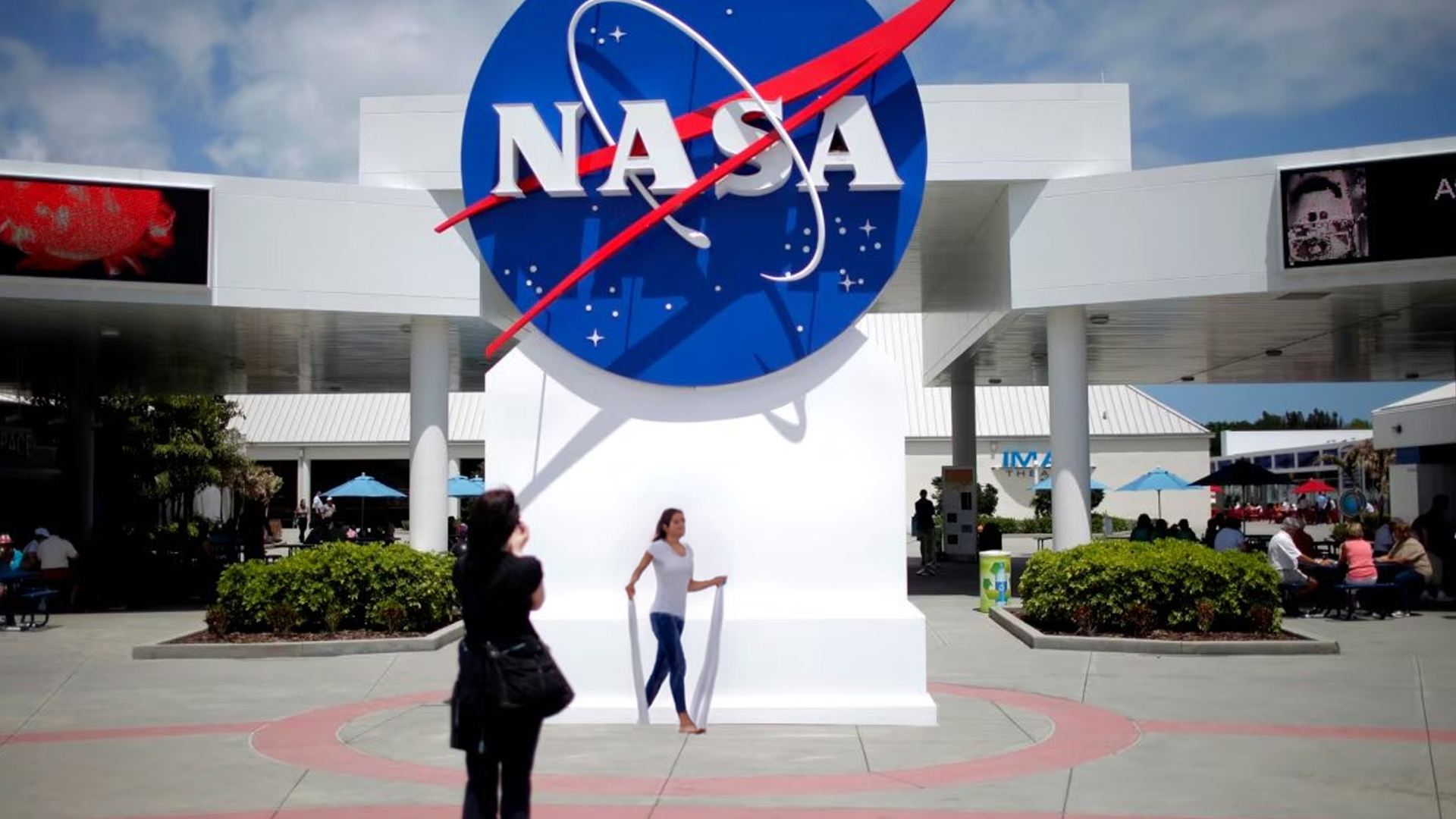
NASA has begun barring Chinese nationals—even those with valid visas—from participating in its programs, highlighting the escalating space competition between the United States and China. The policy shift, first reported by Bloomberg News and later confirmed by NASA, reflects growing concerns over security and intensified geopolitical tensions.
“Nasa has taken internal action pertaining to Chinese nationals, including restricting physical and cybersecurity access to our facilities, materials and network to ensure the security of our work,” NASA press secretary Bethany Stevens said on Wednesday.
Previously, Chinese nationals had been allowed to contribute to research projects as contractors or students, though they were not employed as NASA staff. However, on September 5, several affected individuals told Bloomberg anonymously that they had suddenly been locked out of IT systems and barred from attending in-person meetings.
The move coincides with rising anti-China rhetoric from the Trump administration and the intensifying space race between the two superpowers. The United States, through its Artemis program—which aims to return astronauts to the moon by 2027—is grappling with cost overruns and delays. Meanwhile, China’s space program, with its goal of landing taikonauts by 2030, has been making steady progress and meeting critical deadlines.
“We’re in a second space race right now,” NASA’s acting administrator Sean Duffy said during a Mars discovery-related news conference. “The Chinese want to get back to the moon before us. That’s not going to happen. America has led in space in the past and we are going to continue to lead in space in the future.”
China is also pursuing the ambitious objective of returning samples from Mars, with a robotic mission scheduled to launch in 2028 and deliver Martian rocks to Earth by 2031. In contrast, the Trump administration’s proposed budget signals an intent to cancel the planned Mars Sample Return mission, a collaboration between NASA and the European Space Agency, suggesting it could be replaced by a crewed mission—though details remain unclear.
As space exploration becomes a critical domain of national security and technological supremacy, the exclusion of Chinese nationals from NASA’s facilities underscores the broader competition shaping the future of space endeavors. With both nations racing to achieve unprecedented milestones, the space frontier has once again become a focal point of global strategic rivalry.
Also Read: Conservative Leader Charlie Kirk Shot Dead at 31, Leaving a Profound Mark on U.S. Politics