India’s sporting landscape is set for a sweeping transformation with President Droupadi Murmu giving assent to the National Sports Governance Bill, 2025, on August 18. The Bill, now formally the National Sports Governance Act, 2025, introduces significant structural reforms to ensure transparency, accountability, and greater athlete representation in the country’s sports administration.
The notification, published in the Gazette of India, stated: “The following Act of Parliament received the assent of the President on the 18th August, 2025 and is hereby published for general information — The National Sports Governance Act, 2025.”
Legislative Journey
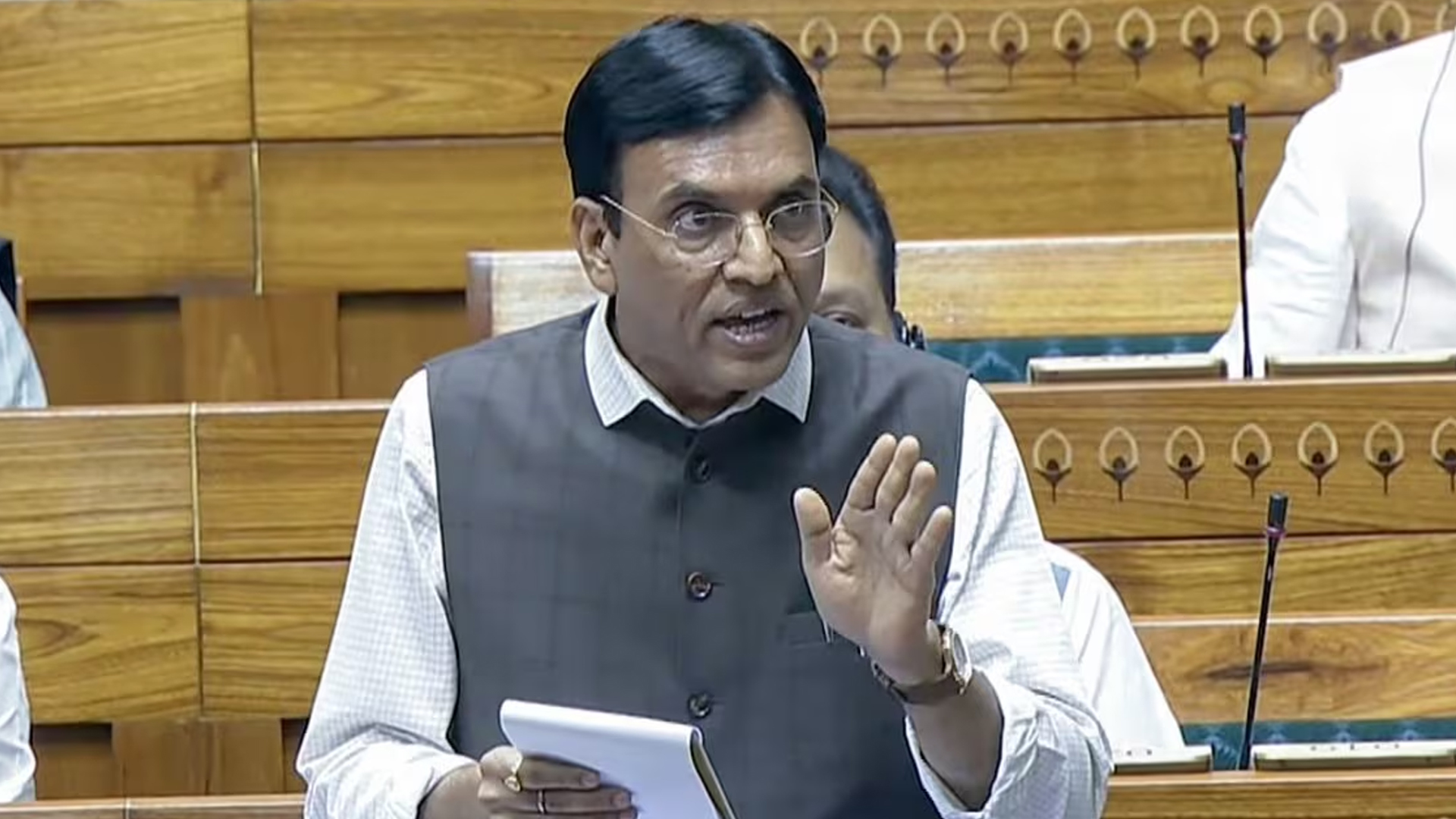
The Lok Sabha passed the Bill on August 11, despite a turbulent session dominated by Opposition protests over the Special Intensive Revision (SIR) exercise in Bihar and allegations of voter fraud. Union Sports Minister Mansukh Mandviya moved the Bill, which saw little debate in the lower house.
The following day, the Rajya Sabha cleared the Bill after a discussion lasting more than two hours, marking the culmination of years of debate over the lack of transparency and governance standards in Indian sports federations.
National Sports Board to Oversee Federations
At the heart of the Act is the establishment of a National Sports Board (NSB), envisioned as an overarching body with regulatory powers over all national sports federations. The NSB will be tasked with ensuring compliance with governance norms, streamlining elections within federations, and holding bodies accountable for the use of public funds.
Most significantly, the Board of Control for Cricket in India (BCCI)—long considered outside the purview of government oversight due to its financial independence—will also fall under the NSB’s supervision. This provision could fundamentally alter cricket administration in India, where the BCCI has often resisted attempts at regulation.
Right to Information and Transparency
One of the most striking provisions of the Act is the inclusion of recognised sports organisations under the Right to Information (RTI) Act, 2005. Any federation or body receiving financial assistance or grants from the Centre or State governments will now be considered a public authority in respect to the utilisation of such funds.
This provision is expected to open the finances of sporting bodies—long shielded from public scrutiny—to wider examination. The BCCI’s reluctance to fall under RTI has been a sticking point for years, and this clause could bring long-sought transparency to the richest cricket board in the world.
Pathways for Leadership
The Act also revises eligibility rules for key leadership positions in national federations. Previously, aspirants for roles such as President, Secretary General, or Treasurer needed to have served two terms in an Executive Committee before being eligible. The new law eases this requirement to just one full term, a move designed to encourage participation by younger administrators and former athletes.
According to the text of the Act, candidates must either be sportspersons of “outstanding merit” or have prior experience in the executive structures of national or affiliated sports bodies. This provision is seen as a step toward increasing athlete representation in leadership roles—a long-standing demand from sports activists.
Broader Sports Reform Agenda
The passage of the National Sports Governance Act comes alongside the National Anti-Doping Amendment Bill, 2025, also passed earlier this month, underscoring the government’s wider focus on reforming the country’s sports ecosystem. Together, the two legislations aim to bring India’s sporting institutions in line with global best practices while ensuring that athletes’ welfare and governance remain paramount.
Sports Minister Mansukh Mandviya has described the Act as a “watershed moment” for Indian sports, stating that it would “end the era of opaque administration and open the door for transparency, fairness, and stronger athlete-led governance.”
Implications
For decades, India’s sports bodies have faced criticism for entrenched hierarchies, political interference, and lack of accountability. With the new Act in place, federations will be required to reform their practices or face regulatory action from the NSB.
The inclusion of the BCCI under the purview of governance norms is expected to spark intense debate, but many observers see it as a necessary step for ensuring cricket, India’s most lucrative and influential sport, sets an example for other federations.
As the Act comes into force, its real test will lie in its implementation. If effectively enforced, it could mark a turning point for Indian sports—empowering athletes, curbing mismanagement, and laying the groundwork for a stronger global sporting presence.
Also Read: Mumbai Battered by Relentless Rains; City Under Red Alert, Normal Life Disrupted