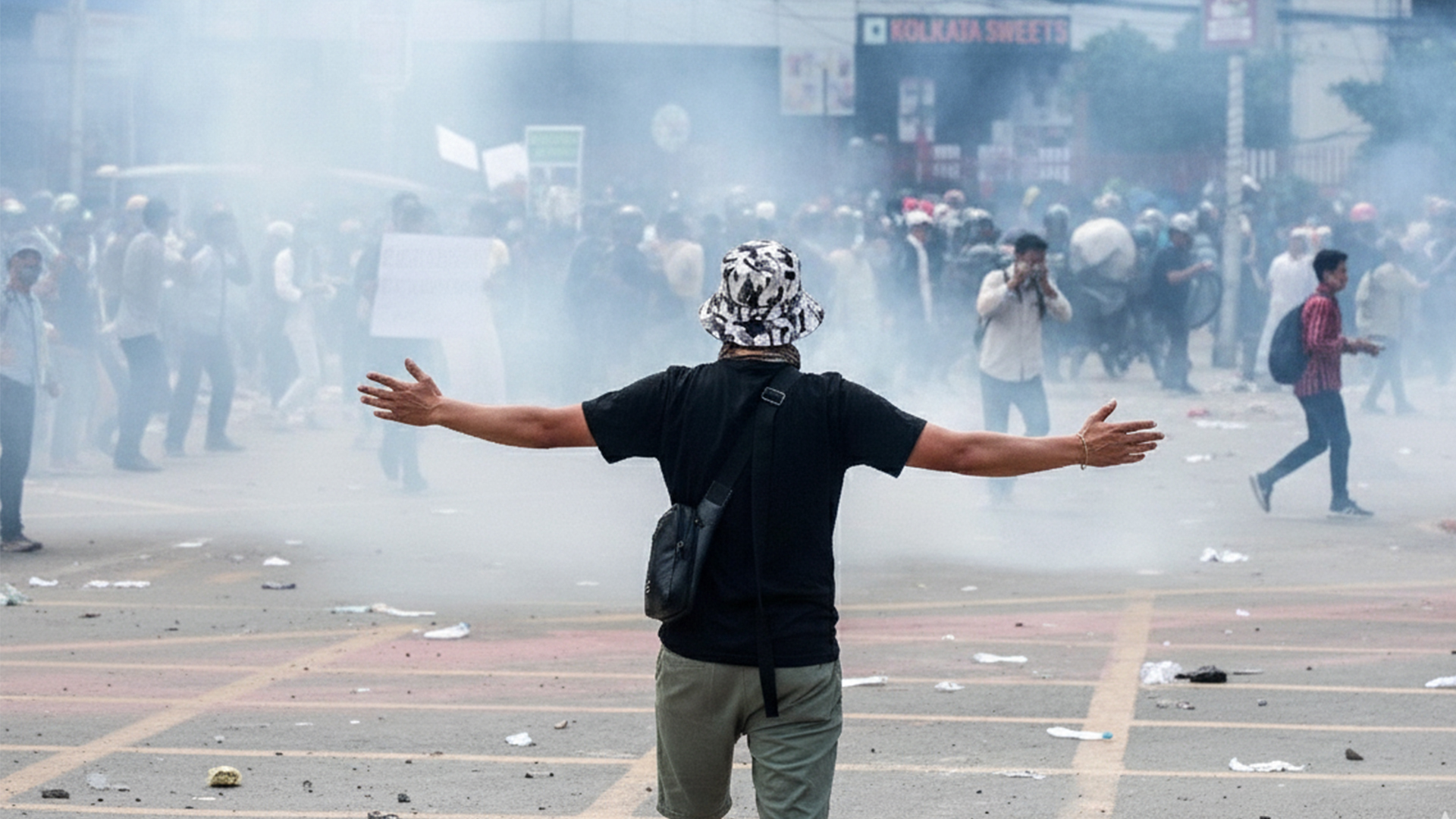
At least 51 people have died amid violent anti-corruption protests in Nepal this week, with the unrest leading to the resignation of Prime Minister K.P. Sharma Oli and the imposition of a nationwide curfew by the army.
The protests, which began on September 8, were triggered by a government ban on several social media platforms and widespread public frustration over corruption and poor governance. Demonstrations escalated rapidly, culminating in the storming of the parliament building and Oli’s resignation on September 9. The army subsequently took control of the streets in Kathmandu, enforcing a curfew to restore order.
Among the dead, police confirmed that at least 21 were protesters, while three were law enforcement personnel. Many of the casualties resulted from clashes during the initial police crackdown on September 8, when demonstrators defied restrictions and gathered in large numbers.
In the chaos, over 13,500 prisoners escaped from jails across Nepal, representing one of the largest mass prison breaks in the country’s history. Authorities have managed to recapture some, but more than 12,500 remain at large. Several escapees have reportedly crossed into neighboring India, prompting heightened security measures along the border.
The unrest also caused widespread damage to property, with protesters targeting government buildings, luxury hotels, and residences associated with political leaders. Fires destroyed parts of the parliament complex and other infrastructure, amplifying the sense of lawlessness that gripped the capital. While some protest leaders have sought to distance themselves from the violence, public anger continues to focus on systemic corruption and wealth inequality.
Amid the political vacuum, talks are ongoing between the president, protest representatives, key political figures, and the army to determine the formation of an interim government. Former Chief Justice Sushila Karki has been suggested as a potential candidate to lead a transitional administration, but no agreement has been reached. The army remains a central actor in negotiations, maintaining security while the nation searches for a path forward.
The recent turmoil has highlighted the fragility of Nepal’s political institutions and the intensity of public discontent. Analysts note that while calls for accountability and reforms resonate with many citizens, the scale of violence and lawlessness risks deepening instability in the country.
Also Read:Brazil’s Supreme Court Sentences Former President Jair Bolsonaro to 27 Years for Coup Attempt