Nepal is heading to general elections amid growing political energy from younger voters and renewed debate over the monarchy, nearly two decades after it was abolished. Prime Minister Rabi Lamichhane leads the government, navigating a political landscape shaped by youth demands for jobs, governance reforms, and economic opportunities.
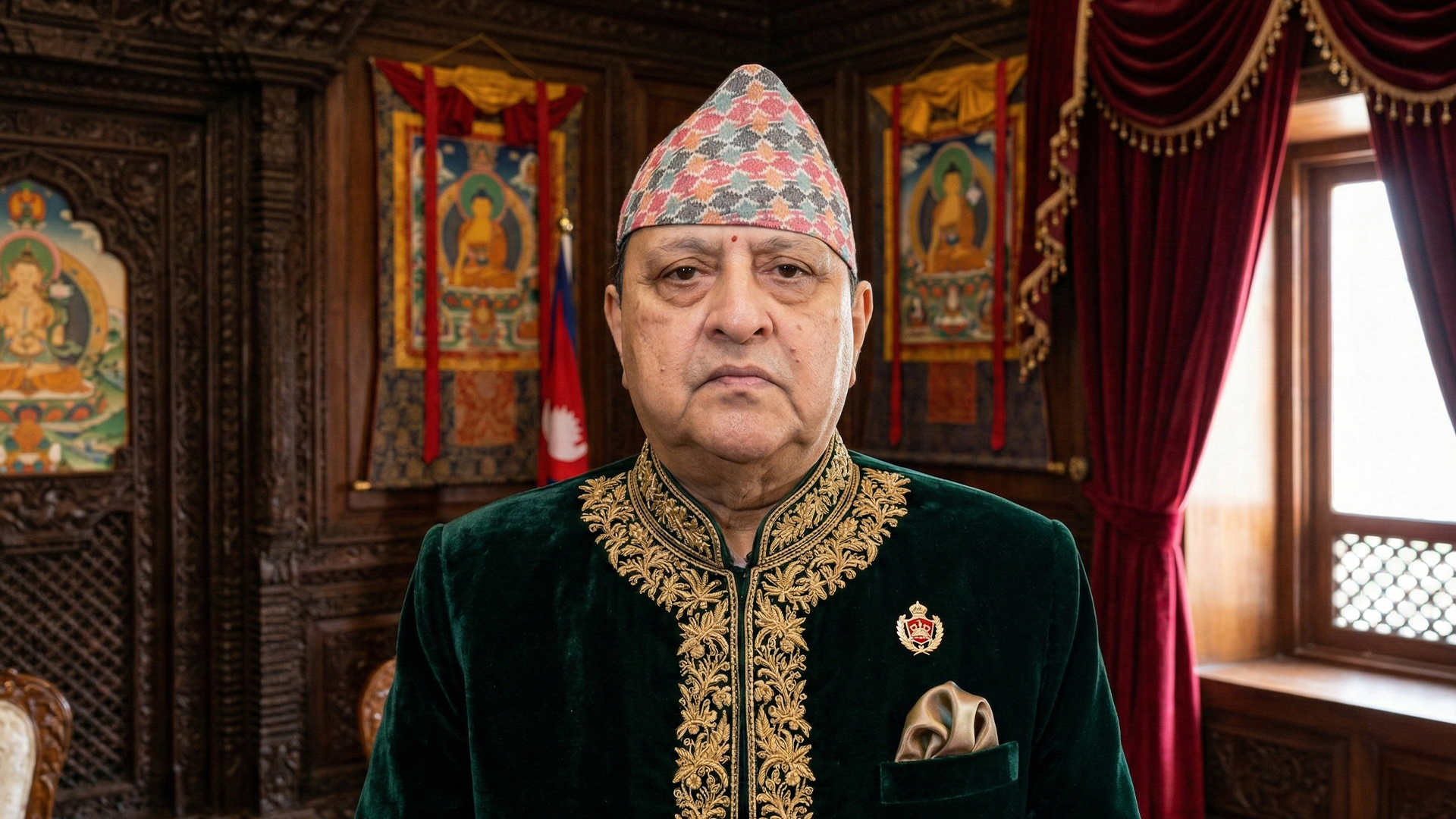
The monarchy, under former King Gyanendra Bir Bikram Shah, was abolished in 2008 after a long civil conflict. While most young voters prioritize reform and economic progress, discussions about the king’s legacy continue, particularly among older generations who remember his reign. Analysts note that nostalgia for the monarchy remains limited but symbolically significant in some regions.
Gen Z voters, born after the monarchy ended, are increasingly influential, pressing for transparency, accountability, and modern solutions. Youth-led protests and activism over the past years have brought issues like corruption, employment, and public service efficiency to the forefront, forcing traditional parties to adapt.
Established parties like the Nepali Congress and the Communist Party of Nepal (UML) are reshaping campaigns to appeal to younger voters, while newer parties gain attention by focusing directly on youth concerns such as climate change, digital opportunities, education, and job creation.
Social media and online engagement have become central to campaigning, reflecting how the younger electorate consumes information and interacts with political leaders. With high anticipated turnout among youth, this election could redefine Nepal’s political trajectory, balancing historical debates with aspirations for a modern, accountable democracy.
The results will indicate how effectively Nepal can accommodate the voices of a new generation while reckoning with the lingering legacy of Gyanendra Bir Bikram Shah and the monarchy’s historical role.