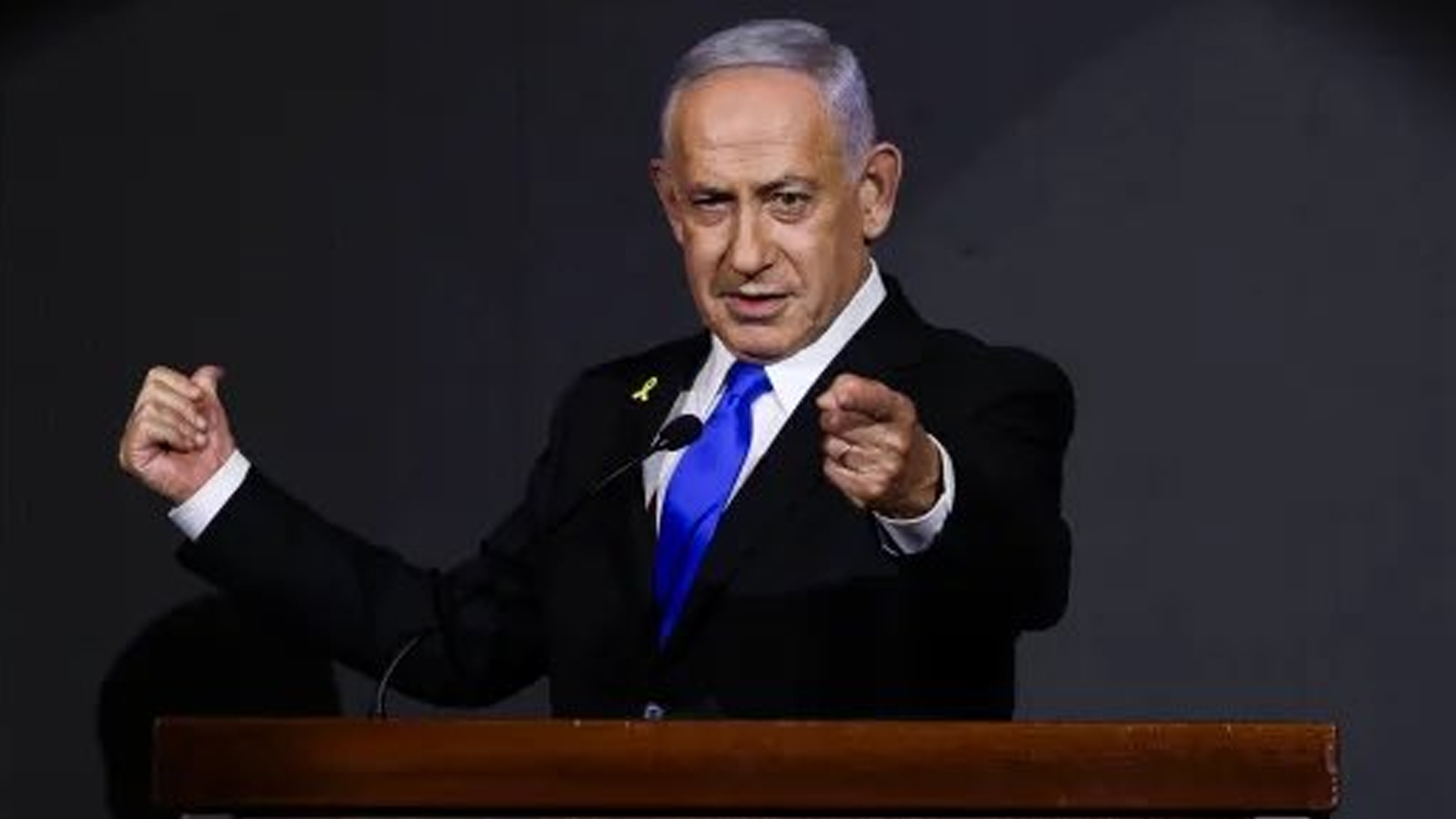
Israeli Prime Minister Benjamin Netanyahu has formally signed a controversial “umbrella agreement” to advance a major settlement expansion in the West Bank, effectively ruling out the establishment of a Palestinian state. The plan, centered on the Maale Adumim settlement, includes the construction of thousands of new housing units and infrastructure upgrades, notably in the E1 area—a strategic zone connecting Maale Adumim to East Jerusalem.
During the signing ceremony on September 11, 2025, Netanyahu declared that there will never be a Palestinian state, emphasizing Israel’s sovereignty over the area. He was joined by far-right Finance Minister Bezalel Smotrich, who has previously stated that such projects aim to “bury the idea of a Palestinian state.”
The E1 project, which has been stalled since 2012 due to international opposition, received final approval from the Israeli Defence Ministry’s planning commission last month. The plan involves the construction of approximately 3,400 housing units, along with the development of roads and other infrastructure, at an estimated cost of nearly $1 billion.
Critics argue that the E1 expansion would sever the West Bank and isolate East Jerusalem, undermining the feasibility of a contiguous Palestinian state. The international community, including the United Nations, European Union, and various human rights organizations, has condemned the settlement expansion, viewing it as illegal under international law and a significant obstacle to peace.
The timing of the announcement adds to the controversy. Just days earlier, Israel attempted to target Hamas leaders in Qatar, an action that drew widespread condemnation. The settlement expansion plan is seen by many as a further step in entrenching Israeli control over the West Bank, particularly in areas claimed by Palestinians for a future state.
In response to the announcement, Palestinian officials and advocacy groups have called for international intervention to halt the expansion and reaffirm support for a two-state solution. The United Nations has reiterated its stance that Israeli settlements in the occupied West Bank are illegal and constitute a violation of international law.
The U.S. administration, while not explicitly endorsing the settlement plan, has expressed concern over actions that could undermine the prospects for peace. Previous U.S. statements indicated support for Israeli sovereignty over parts of the West Bank, but the administration’s position on the E1 project remains cautious.
As construction plans move forward, the international community watches closely, with many fearing that the expansion could further inflame tensions in the region and diminish the possibility of a negotiated settlement between Israel and the Palestinians. Analysts suggest that the project could lead to renewed unrest and complicate diplomatic efforts, particularly as Western governments prepare to recognize Palestinian statehood at the United Nations General Assembly later this month.
The approval of the E1 expansion marks one of the most significant developments in Israeli settlement policy in recent years, highlighting the challenges of advancing peace negotiations amid ongoing territorial disputes and regional security concerns.