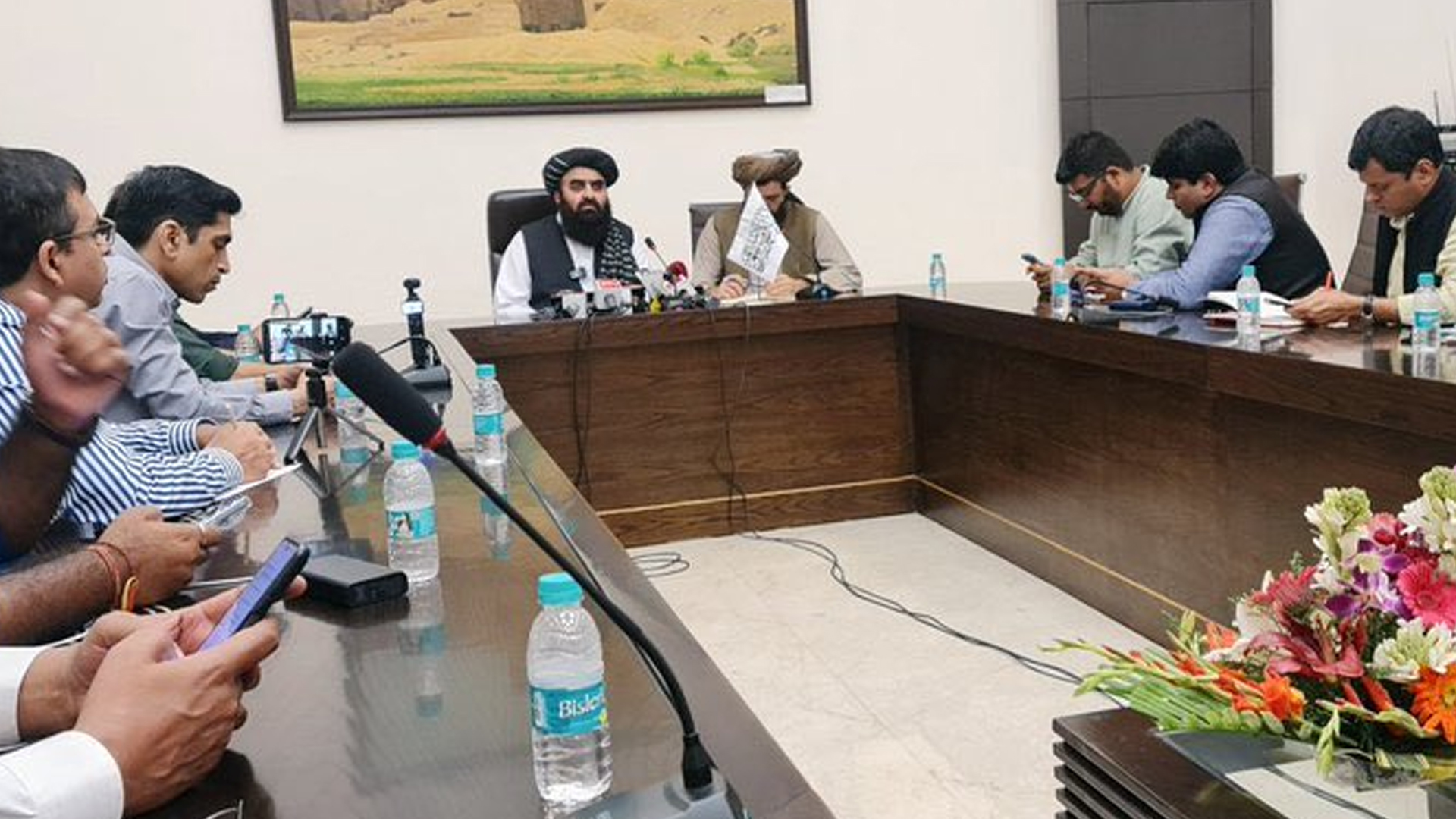
On October 10, a press conference by Afghanistan’s Foreign Minister Amir Khan Muttaqi at the Afghan Embassy in New Delhi became a lightning rod for controversy after women journalists were barred from attending. The event, held shortly after Muttaqi’s bilateral discussions with Indian External Affairs Minister S. Jaishankar, was attended only by a select group of male reporters, sparking intense criticism from political leaders and media figures nationwide.
Many observers condemned the exclusion as a serious breach of gender equality and press freedom. Prominent figures like Congress leader Priyanka Gandhi Vadra questioned Prime Minister Narendra Modi’s stance, accusing the government of tolerating discrimination against India’s women journalists. Similarly, Senior Congress leader P. Chidambaram expressed shock, suggesting male journalists should have boycotted the event in solidarity with their female colleagues.
India’s Ministry of External Affairs clarified that New Delhi had no involvement in the decision. The invitations for the event were reportedly issued by Taliban officials through the Afghan Consul General in Mumbai, and the Indian government insisted it had no role in the selection process. Despite the criticism, Afghan Foreign Minister Muttaqi defended the decision, citing respect for Afghanistan’s customs and laws, and claimed that the country has seen significant improvements since the Taliban took power in 2021.
This incident has reignited debates about women’s rights under Taliban rule and the broader issue of diplomatic protocol versus gender equality. Critics have called the move a step backward, highlighting the ongoing oppression of women and the global condemnation of Afghanistan’s human rights record. The controversy highlights the complex challenges India faces as it balances diplomatic engagement with Afghanistan while upholding its commitments to gender equality and press freedom.
Also Read: Reliance Power CFO, Anil Ambani Aide Held by ED in Loan Fraud Probe