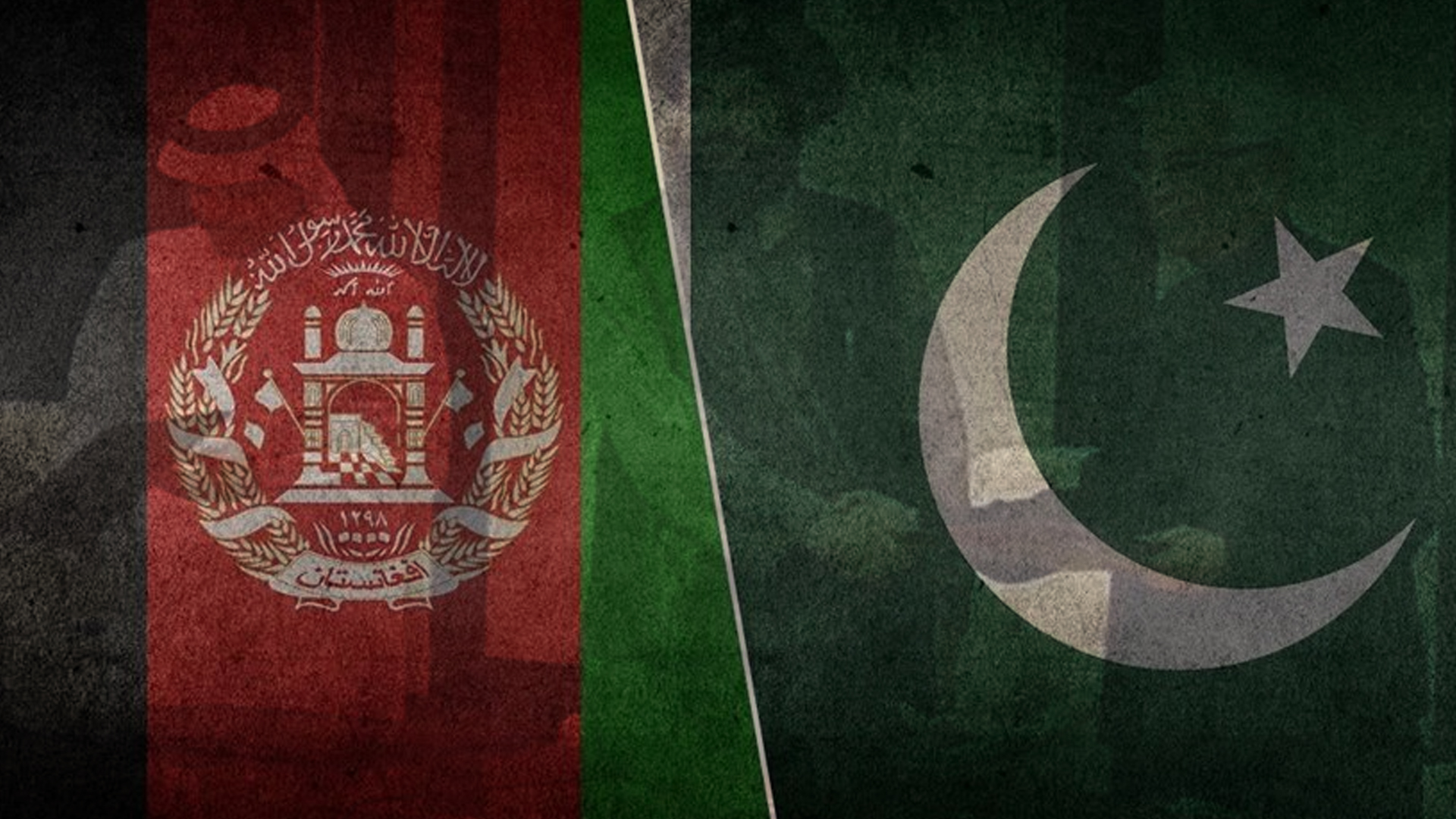
Officials from Pakistan and Afghanistan will convene in Türkiye for a second round of crisis talks on Saturday in Istanbul, aiming to build on a cease-fire agreement reached earlier this month and address long-standing border and security tensions between the two neighbors.
The talks follow a temporary truce brokered by Qatar and Türkiye in Doha on October 19, after weeks of deadly cross-border violence.
That cease-fire has held in the immediate period, though the border remains largely shut — apart from Afghan refugees exiting Pakistan — and trade has ground almost to a halt in key crossing areas.
Pakistan’s Foreign Office spokesman confirmed that Islamabad’s delegation will travel to Türkiye and emphasized that Pakistan expects the next meeting to deliver “a concrete and verifiable monitoring mechanism” to stop attacks emanating from Afghan soil.
He stated that Pakistan, “as a responsible state committed to regional peace and stability,” does not seek escalation but urges the Afghan authorities to act on Pakistan’s security concerns.
From Kabul’s side, the Afghan interim administration confirmed that Deputy Interior Minister Haji Najib will lead its delegation. A Taliban spokesman said the remaining issues would be discussed in the Istanbul meeting, without elaborating further.
At the core of the talks is Pakistan’s longstanding accusation that certain militant groups, including the Tehreek‑e‑Taliban Pakistan (TTP) and the Balochistan Liberation Army (BLA), operate from Afghan territory and carry out attacks on Pakistani soil.
Islamabad seeks credible action by Kabul to rein in those groups and establish a monitoring framework to prevent future cross-border violence.
Afghanistan’s government, in turn, denies any collusion and maintains that it is not responsible for attacks launched from its territory.
The border region between Pakistan and Afghanistan, stretching some 2,611 kilometers along the Durand Line, has become a flashpoint in recent weeks.
In southern Kandahar province and at the Spin Boldak crossing, Pakistani airstrikes and Afghan retaliatory attacks have caused significant casualties and displaced residents.
The border closures have unleashed economic fallout: Afghan traders report losing millions of dollars daily due to the suspension of transit and trade.
Analysts say the upcoming Istanbul meeting will test whether the cease-fire brokered in Doha can be sustained and whether the two sides can move beyond temporary pauses toward durable mechanisms.
While both Islamabad and Kabul appear committed to dialogue for now, deep-rooted mistrust—over sovereignty, militant safe-havens and political recognition of the border—remains a major impediment.
As the delegations prepare to meet, Pakistan noted that there have been no major full-scale terrorist attacks originating from Afghan soil in the last two to three days—interpreted as a positive sign from the Doha round.
The Pakistani spokesman expressed hope that the new talks will continue this trend and restore relations to a more stable trajectory.
The Istanbul round of dialogue between Pakistan and Afghanistan represents an important opportunity to convert a fragile cease-fire into practical security cooperation, yet its success will hinge on tangible outcomes on the ground.
Without transparent mechanisms and verified implementation, the risk of renewed violence and further disruption along the border remains high.
Also Read: Apple Reduces iPhone Air Output After Disappointing Sales