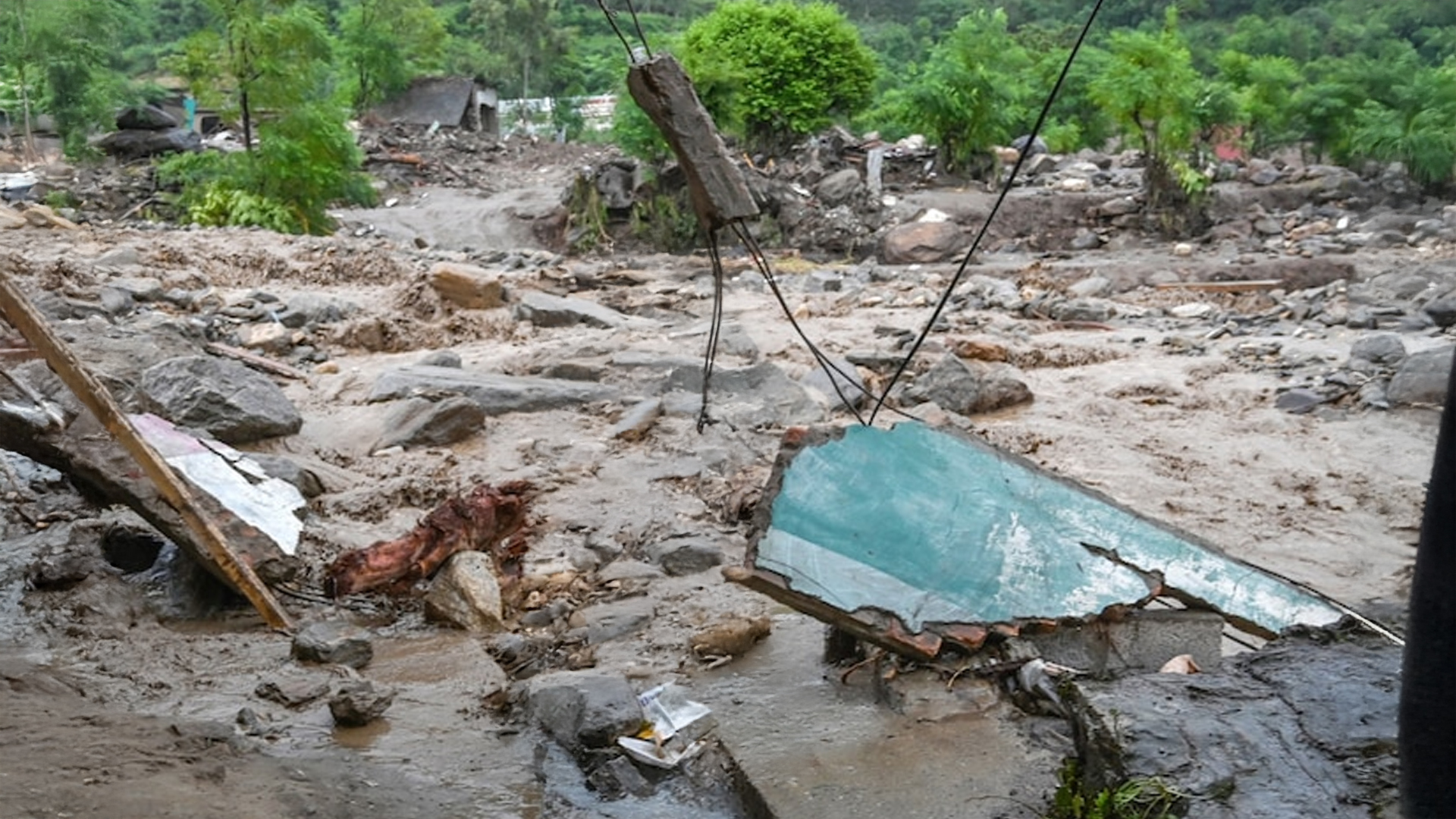
Pakistan continues to reel from devastating flash floods and cloudbursts over the past five days, marking the deadliest phase of this year’s monsoon season. The deluge, driven by intensified weather patterns due to climate change, has wrought widespread destruction across the north and south of the country, leaving an unfolding humanitarian crisis in its wake.
Wave of Tragedy Across the Mountains
Since late June, heavier-than-normal monsoon rains have taken a staggering toll—more than 700 lives lost and nearly 25,000 people evacuated across the country.
The northwestern province of Khyber Pakhtunkhwa (KP) has borne the brunt of the disaster. At least 365 people have perished in just five days, with Buner district alone accounting for over 200 fatalities following an intense cloudburst that unleashed more than 150 mm of rain within a single hour—devastating villages in minutes and displacing residents with near-zero warning.
Similarly catastrophic flooding occurred in Swabi’s Dalori Bala village, where rescue teams discovered around 30 bodies buried under debris, and several individuals remain unaccounted for.
Infrastructure Struggles and Restoration Progress
In a bid to restore normalcy, authorities have managed to reinstate 70% of electricity and reopen most damaged roads in the north and northwest. Engineers, alongside military doctors and disaster teams, are delivering essential aid including food, generators, dewatering pumps, and temporary shelters.
South Feels the Impact Too
The monsoon’s reach has extended deep into the south—Karachi has flooded, disrupting traffic, power, and air travel, while claiming several lives. Provinces such as Sindh and Balochistan are wrestling with similar devastation, with dozens reported dead and houses destroyed.
Government Mobilizes Relief and Aid
In response to the crisis, Pakistan’s Economic Coordination Committee approved a federal relief package totaling $20.8 million (Rs 5.8 billion), aimed at funding emergency assistance. The government has committed resources toward rebuilding, displacement support, and relief operations led by the military and civil authorities.
A Climate Crisis in Motion
Experts warn that cloudbursts are becoming more frequent and destructive, fueled by warmer air holding greater moisture. In Pakistan and India, such concentrated downpours in mountainous regions like KP and Kashmir are increasingly overwhelming local infrastructure, as forecasting remains a challenge.
The 2025 floods bear unsettling resemblance to the catastrophic 2022 floods that submerged a third of Pakistan and claimed nearly 1,760 lives. That disaster revealed the country’s vulnerability to climate shocks, weak infrastructure, and delayed disaster response—a vulnerability now being tested again.
Also Read: Mumbai Rains Trigger Chaos: Monorail Rescues, Floods, and Rising Toll Across Maharashtra