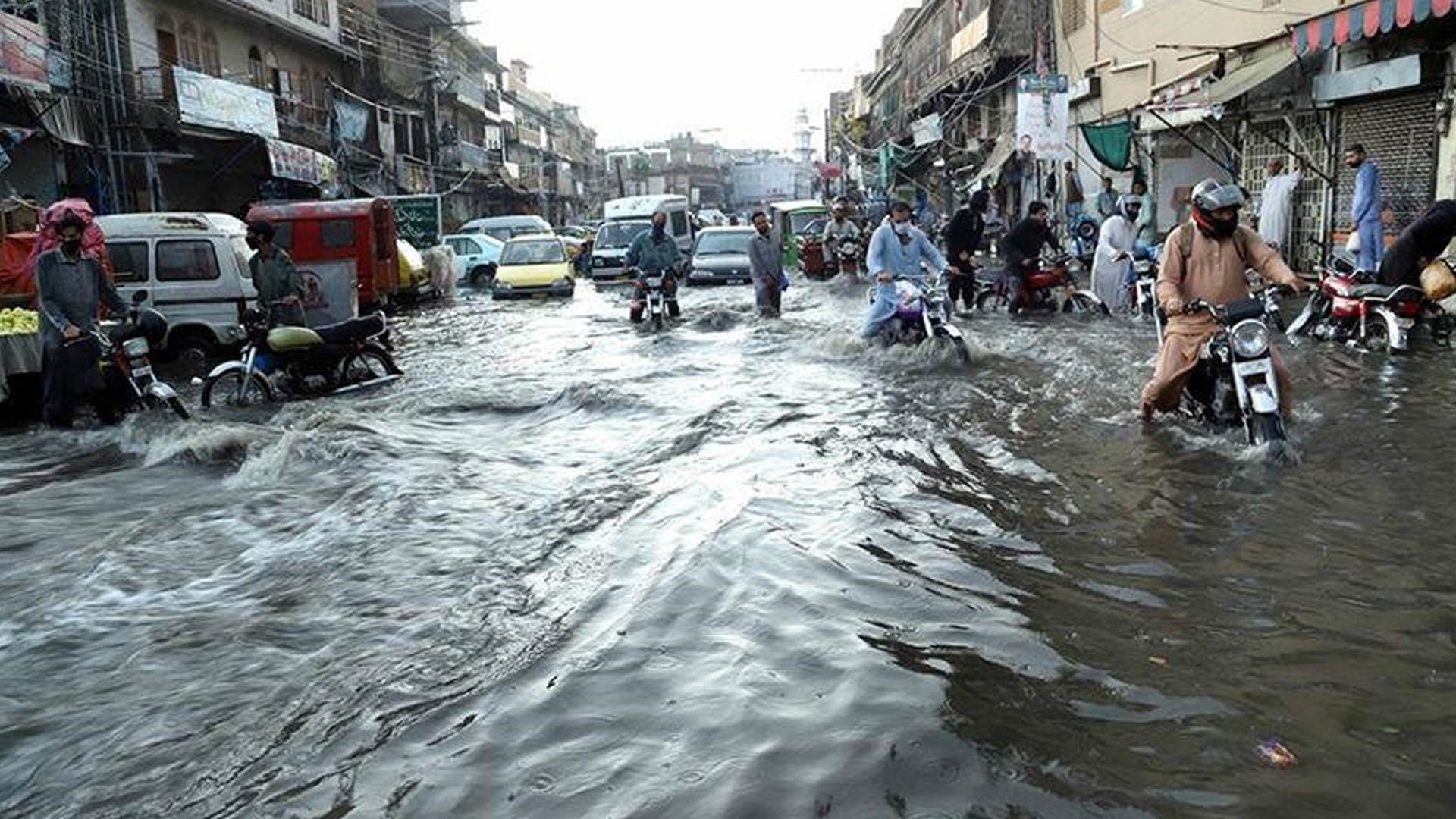
Rescue and relief efforts resumed on Monday (August 18, 2025) in northwest Pakistan, where flash floods triggered by days of torrential monsoon rains have killed over 300 people. Authorities had been forced to suspend operations for several hours due to continuing downpours, further complicating access to the hardest-hit regions.
The National Disaster Management Authority (NDMA) confirmed that the rains, which began on Friday (August 15), have caused widespread devastation across northern districts, including landslides, flash floods, and infrastructure damage. The worst-affected area is Buner district, where officials report over 200 fatalities.
Cloudburst Worsens Crisis in Buner
According to meteorological officials, Buner was struck by a cloudburst — a rare and devastating phenomenon in which more than 100 millimeters of rain falls within an hour in a small area. The district received over 150 mm of rain in just one hour on Friday morning, overwhelming rivers and streams. Entire neighborhoods were washed away, with homes, vehicles, and farmland submerged or destroyed.
Local government officer Abid Wazir told reporters that ongoing rainfall forced rescue teams to halt operations temporarily on Monday. “Our priority is now to clear the roads, set up bridges, and bring relief to the affected people,” he said.
Relief Measures and Humanitarian Aid
Information Minister Attaullah Tarar confirmed that relief consignments have reached flood-affected areas, including food, medicines, blankets, tents, electric generators, and de-watering pumps. The NDMA said medical teams and emergency shelters are being deployed to assist displaced families.
Authorities are working to restore key road links to ensure relief goods can reach remote mountain villages. With communication networks damaged in several areas, coordination has been a major challenge.
Widespread Monsoon Devastation
The floods in Buner are part of a larger monsoon disaster gripping Pakistan. Since late June, torrential rains and flooding have killed at least 657 people nationwide, with thousands more displaced. Sindh and Punjab provinces have also seen severe flooding, though the scale of destruction in Khyber Pakhtunkhwa province’s hilly terrain has been particularly devastating.
In 2022, Pakistan witnessed one of its deadliest monsoon seasons in living memory, when unprecedented flooding killed over 1,700 people and submerged one-third of the country. Experts and humanitarian agencies fear a similar scenario could unfold if rainfall persists at current levels.
Forecast of Continued Heavy Rain
The Pakistan Meteorological Department has warned that the active weather system is likely to bring more heavy to very heavy rainfall over the coming days, with risks of further flooding, landslides, and infrastructure damage in northern and southern regions. The system is expected to remain active until early September.
The NDMA has urged residents in vulnerable areas to move to safer locations and warned local administrations to stay on high alert. Disaster management teams have been instructed to prepare contingency plans to deal with worsening conditions.
As Pakistan grapples with the unfolding crisis, international humanitarian organizations have begun coordinating with federal and provincial authorities to provide emergency aid. The scale of damage and loss of life underscores the country’s vulnerability to increasingly erratic monsoon patterns, a trend many scientists link to climate change.
Pakistan’s Troubled History with Floods
Pakistan has a long and tragic history of deadly floods, with some of the worst disasters in South Asia’s recent memory occurring within its borders. The 2010 floods remain the most catastrophic, affecting nearly 20 million people. Triggered by unusually heavy monsoon rains, those floods submerged one-fifth of the country, destroyed vast swathes of farmland, and left nearly 2,000 dead. Entire communities were displaced for months, and the economic toll was estimated at over $40 billion, dealing a crippling blow to Pakistan’s fragile economy.
More recently, the 2022 floods once again brought the country to its knees. That year, record-breaking monsoon rainfall—linked by scientists to climate change—killed over 1,700 people and affected more than 33 million. At its peak, a third of the country lay underwater, and millions were left homeless. The destruction of crops, livestock, and infrastructure deepened food insecurity and triggered a humanitarian crisis that took months of international aid to stabilize.
Experts warn that the frequency and intensity of such disasters are increasing as rising global temperatures alter rainfall patterns in South Asia. Pakistan, despite contributing less than 1% to global emissions, remains one of the countries most vulnerable to climate-induced flooding.
Also Read: Delhi Schools Evacuated After Bomb Threat Emails Trigger Panic in Dwarka