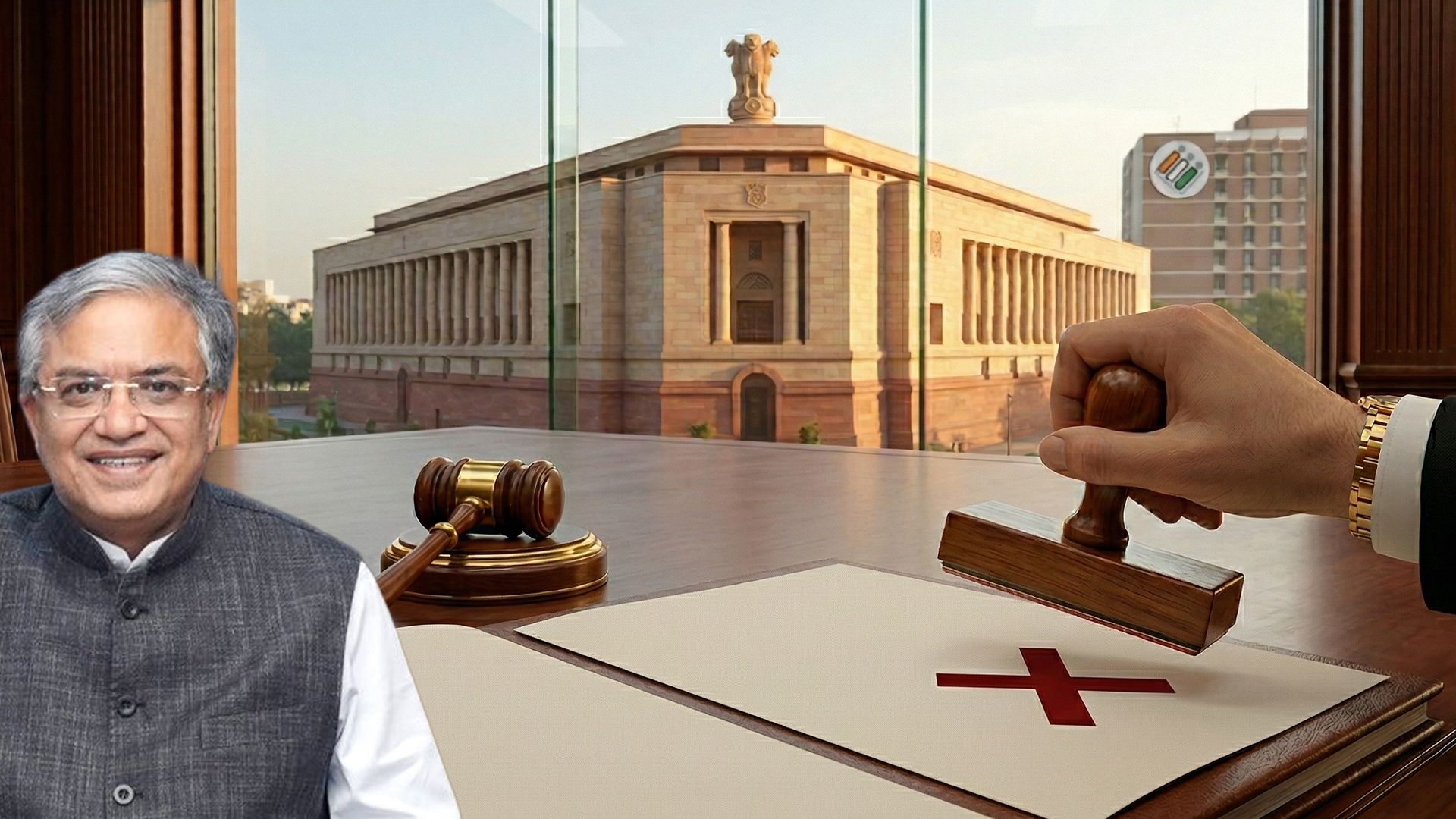
In a major political development in New Delhi, both the Lok Sabha Speaker and the Rajya Sabha Chairman have rejected impeachment notices against Chief Election Commissioner Gyanesh Kumar. The notices, submitted in March, were signed by a total of 193 Opposition MPs, 130 in the Lok Sabha and 63 in the Rajya Sabha, making it one of the largest attempts to remove a sitting CEC in India’s history.
The motion alleged that the CEC had engaged in biased and partisan conduct, mishandled electoral processes, and obstructed investigations into alleged irregularities. Opposition leaders argued that these actions undermined public trust in the Election Commission and warranted parliamentary scrutiny. The notice sought to trigger the formal impeachment process, which requires approval from both Houses of Parliament.
However, both Om Birla, Speaker of the Lok Sabha, and C.P. Radhakrishnan, Chairman of the Rajya Sabha, declined to admit the notices. Official statements said the motions were reviewed and refused, but no specific reasons were provided for the rejection. The refusal effectively ends any immediate parliamentary proceedings against the CEC and ensures that Gyanesh Kumar will continue in office.
The decision has drawn sharp criticism from Opposition parties, who described it as a setback to democratic accountability. Leaders like TMC’s Derek O’Brien called the rejection a dismissal of legitimate concerns without transparency or explanation. Some MPs said it highlights the tension between parliamentary procedure and public oversight, questioning whether elected representatives can hold constitutional authorities accountable.
With the impeachment bid halted, the Opposition may now explore alternative avenues such as debates, questions in Parliament, or legal challenges to address their concerns. Meanwhile, Gyanesh Kumar’s position remains secure, and the CEC continues to oversee ongoing and upcoming electoral matters.