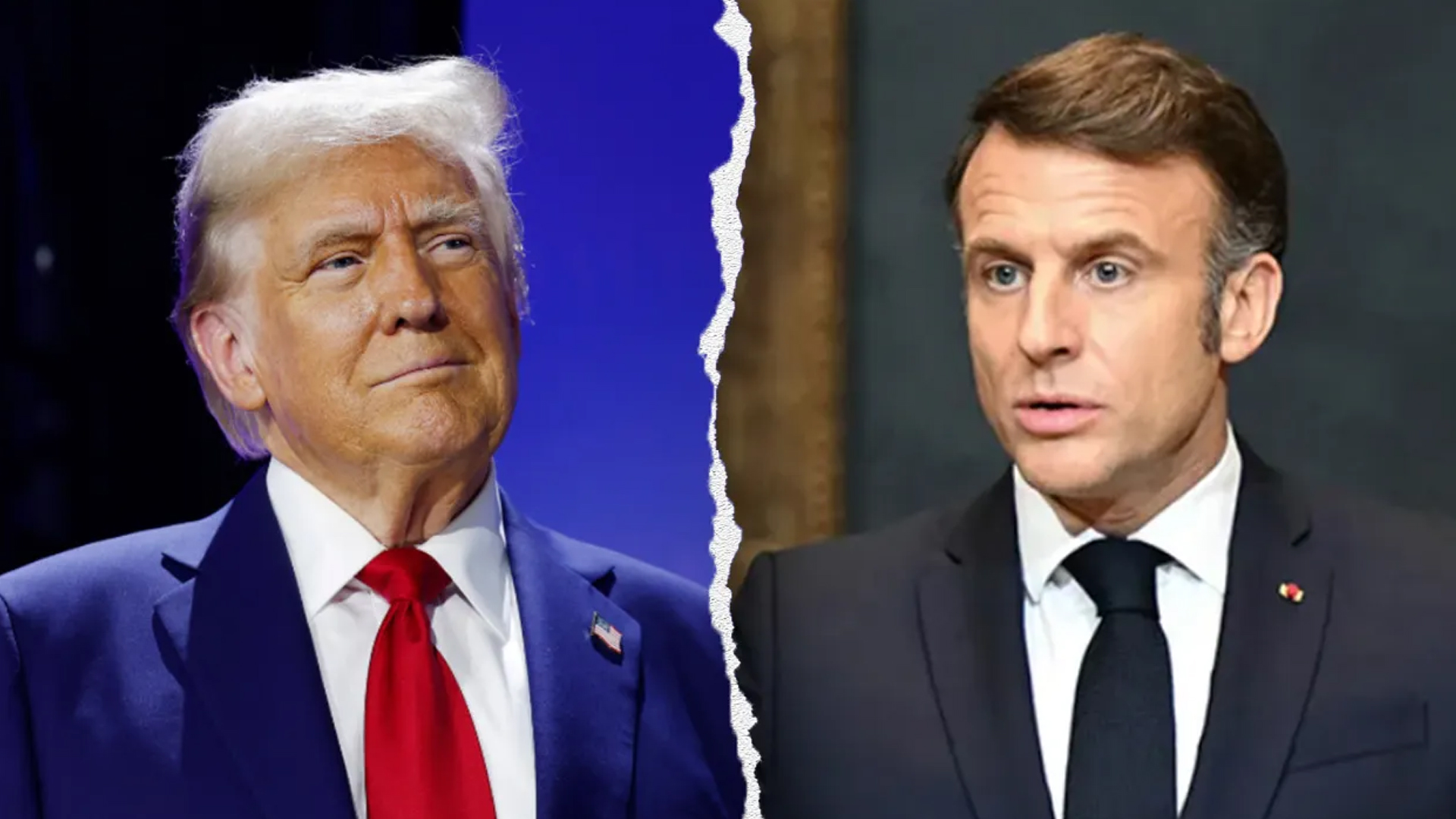
Peter Navarro, senior trade advisor to U.S. President Donald Trump, has intensified his criticism of India, warning that continued trade tensions and India’s ongoing purchase of Russian oil could have severe consequences for bilateral relations.
In a recent interview with ‘Real America’s Voice,’ Navarro referred to India as the “Maharajah of tariffs,” highlighting what he perceives as the highest import duties among major economies. He emphasized that if India does not adjust its trade policies, it risks aligning more closely with Russia and China, a move he suggests would not bode well for India’s future.
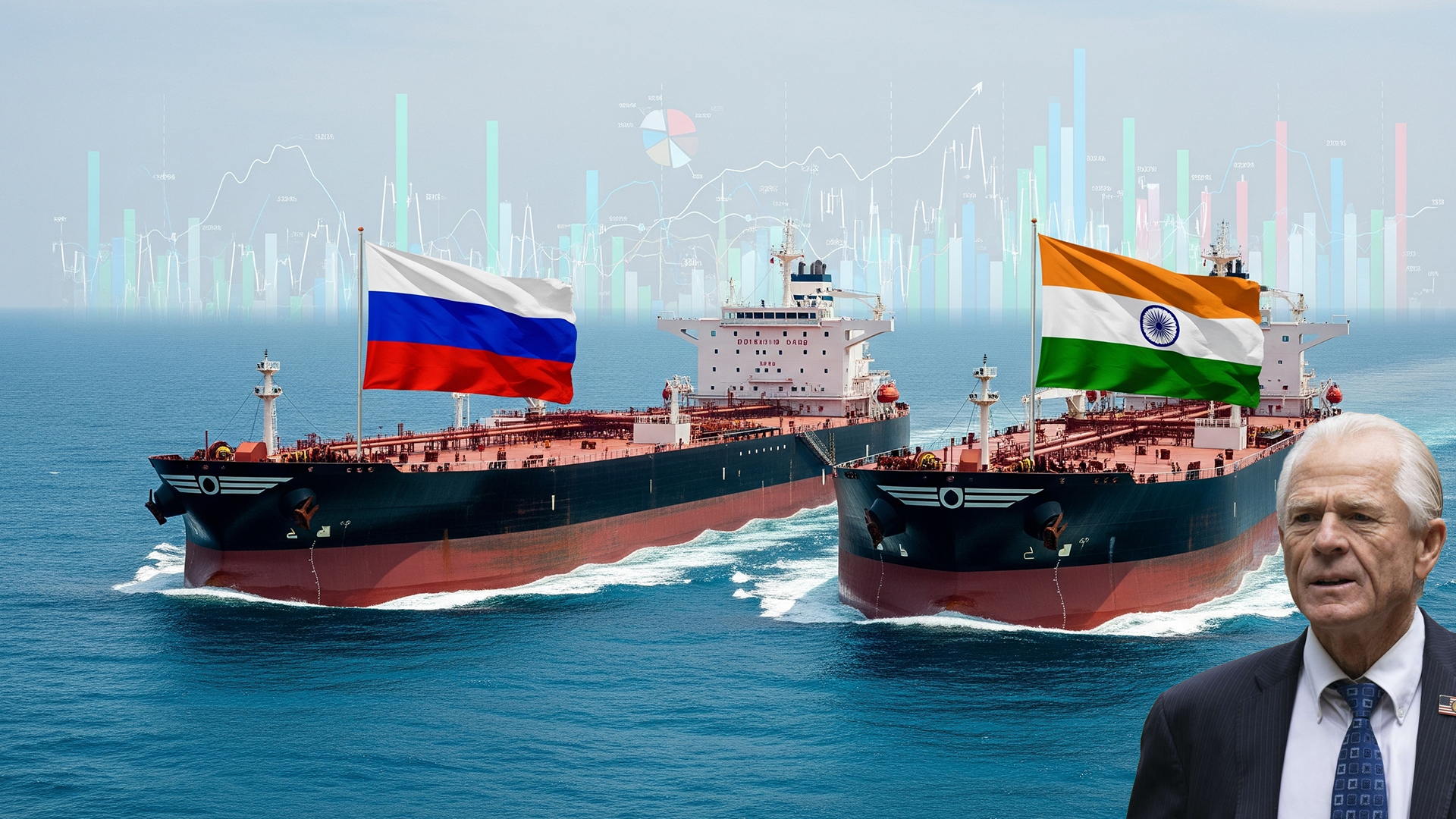
Navarro also condemned India’s increased imports of Russian crude oil since the onset of the Ukraine conflict, labeling these transactions as “blood money.” He argued that such actions indirectly support Russia’s war efforts, thereby complicating the United States’ position and potentially increasing American taxpayers’ financial burdens.
This rhetoric comes on the heels of the U.S. imposing a 50% tariff on Indian goods, a move that has strained diplomatic ties. Navarro contrasted India’s stance with that of other U.S. allies, such as the European Union, Japan, South Korea, the Philippines, and Indonesia, which he claims have moved closer to Washington through new trade agreements.
In a broader critique, Navarro dismissed the BRICS alliance—comprising Brazil, Russia, India, China, and South Africa—as inherently unstable, stating, “They all hate each other.” He likened their trade practices to “vampires” exploiting the United States, suggesting that these nations benefit disproportionately from trade with the U.S.
These comments have sparked significant backlash. Indian officials and analysts have criticized Navarro’s remarks as misinformed and counterproductive. External Affairs Minister S. Jaishankar recently emphasized the importance of maintaining open global trade during a BRICS meeting, urging member nations not to complicate the ongoing trade situation.
As tensions escalate, the future of U.S.-India trade relations remains uncertain. Analysts warn that continued confrontational rhetoric could undermine efforts to strengthen ties between the two nations, which have been pivotal in countering China’s growing influence in the Indo-Pacific region.
Also Read: India Advises Caution for Nationals in Nepal Amid Deadly Protests