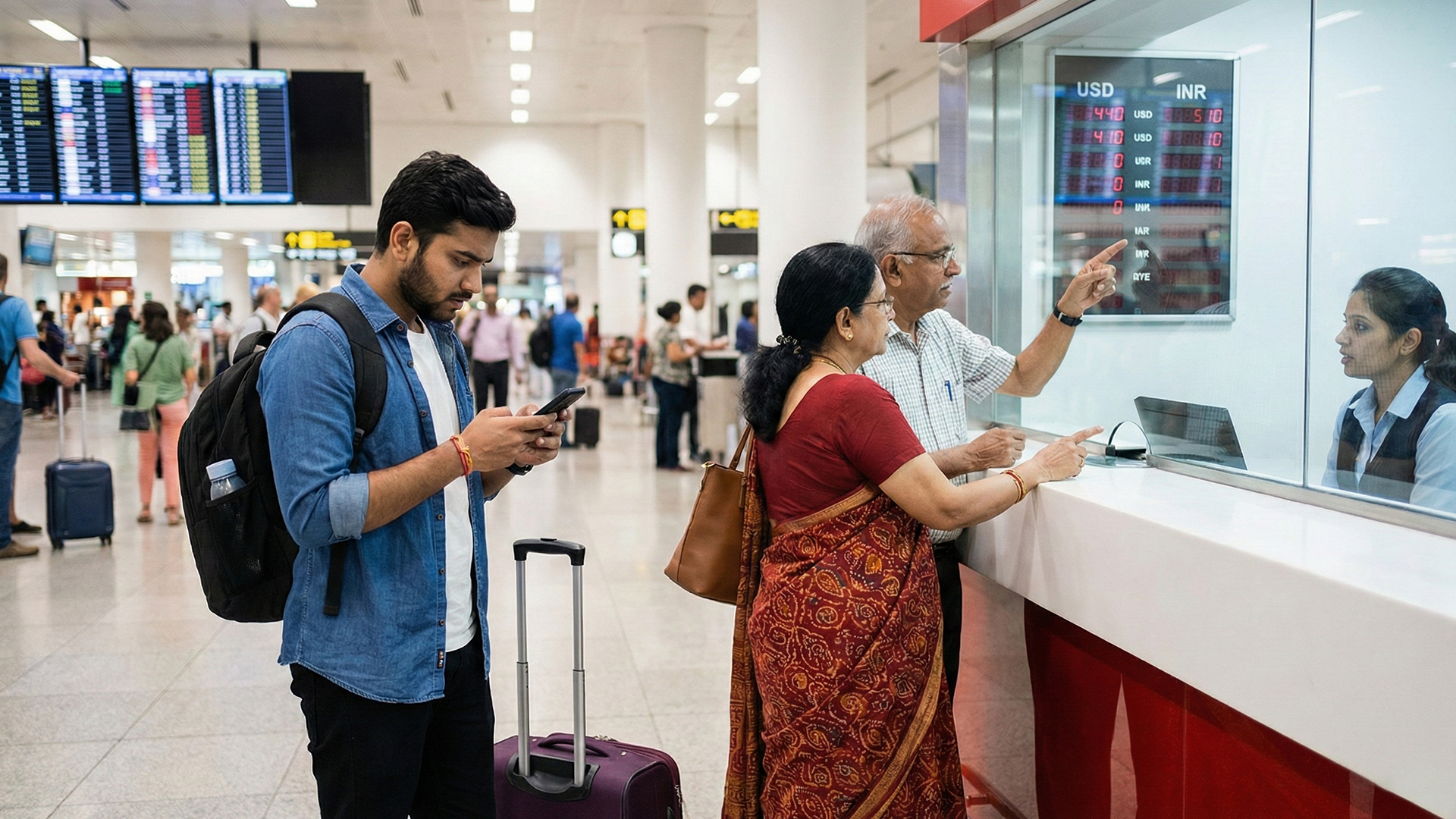
The Indian rupee dropped to a fresh record low this week, slipping close to the ₹90 mark against the US dollar and raising concerns for students, families, and travellers with overseas plans. The currency traded around ₹89.85 per dollar, surpassing previous historic lows and reflecting persistent pressure on India’s foreign exchange market.
The fall comes despite India reporting strong economic growth in the September quarter, where GDP expanded by 8.2%. Economists note that robust domestic performance has not been enough to counter global factors weighing on the rupee. The dollar has strengthened globally, foreign investment flows into India have weakened, and uncertainty surrounding possible trade negotiations with the United States has added to the volatility. Importers’ demand for dollars has remained high, further straining the currency.
The immediate impact of the rupee’s slide is being felt most sharply by Indian students planning to study abroad. Tuition fees, accommodation costs, and daily living expenses, already major financial commitments, become significantly more expensive as the exchange rate worsens. Even a minor depreciation can add several lakhs of rupees to the yearly budget of a student studying in countries like the US, UK, or Australia.
Families preparing for foreign holidays are also likely to revise their budgets. International airfares, hotel bookings, and on-ground expenses are all dollar-linked, making vacations costlier than earlier anticipated. Travel agencies report that some customers are already postponing non-essential trips in response to rising costs.
Market analysts believe the rupee may remain under pressure in the near term unless global financial conditions stabilize and foreign inflows improve. While the Reserve Bank of India has previously stepped in to ease volatility, experts say that the current depreciation reflects broader structural and global trends rather than temporary fluctuations.
Financial advisers suggest that students and travellers consider planning expenses in advance, using prepaid forex cards or converting partial amounts early to minimize the impact of currency swings.
Also Read: Centre moves bills to retain tobacco, pan masala taxes