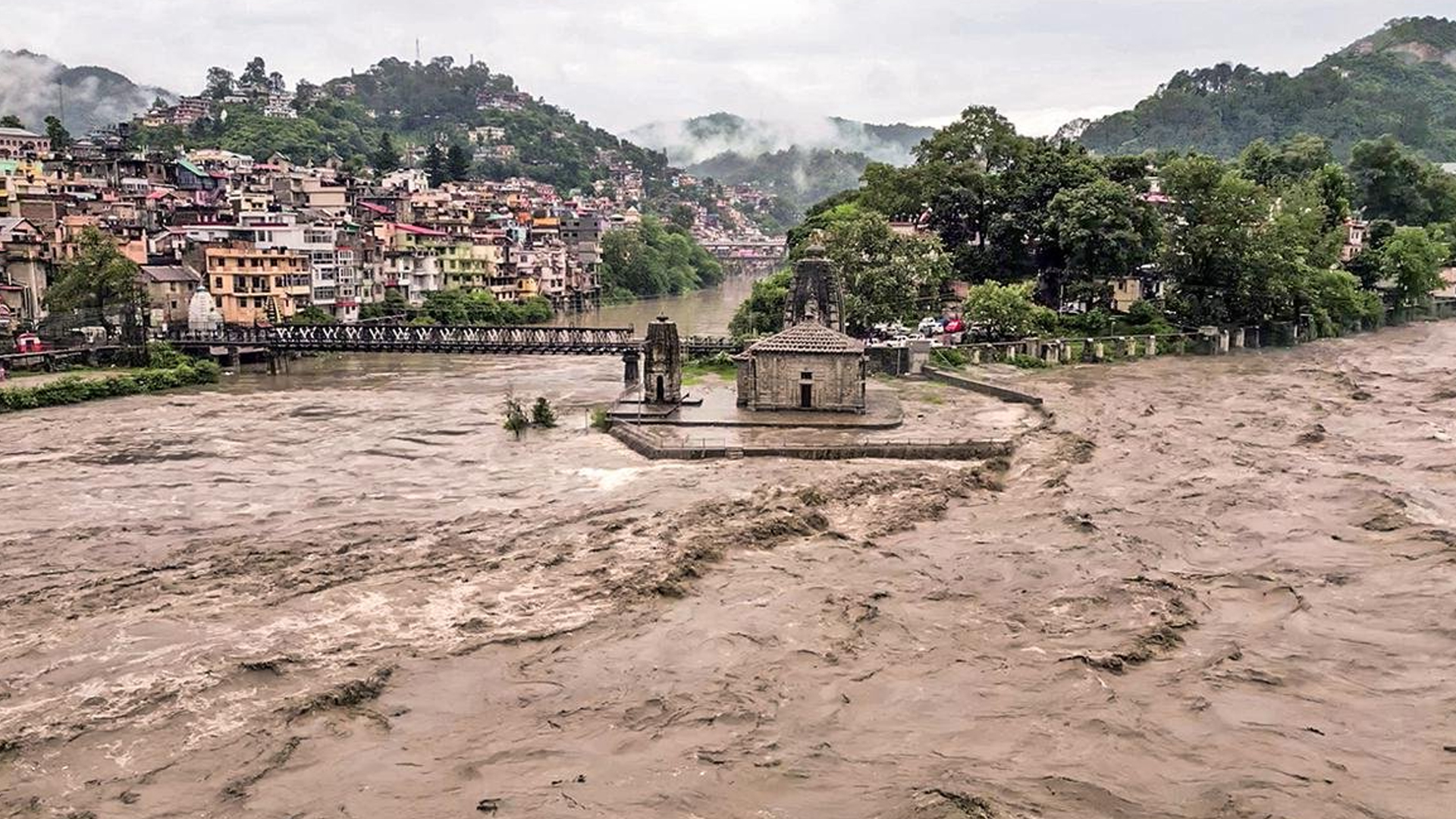
North India is grappling with unprecedented rainfall and severe flooding as the monsoon season intensifies across Delhi, Punjab, Haryana, Uttarakhand, and Himachal Pradesh. The India Meteorological Department (IMD) has issued red alerts for these regions, warning of extreme weather conditions that threaten lives, infrastructure, and agriculture.
On September 1, Delhi experienced heavy rainfall leading to widespread waterlogging and significant traffic disruptions. The Yamuna River’s water level is projected to exceed the danger mark by the evening of September 2, prompting flood alerts and the closure of the Old Railway Bridge. Airlines, including Air India, SpiceJet, IndiGo, and Akasa Air, have issued travel advisories due to poor visibility and access issues at airports.
Punjab and Haryana Battling Record Rainfall and Flooding
Punjab recorded its highest rainfall in 25 years this August, with a 74% increase above the normal average. Districts like Gurdaspur, Pathankot, and Hoshiarpur have been severely affected, with swollen rivers and canal breaches causing widespread damage. Haryana also experienced a 32% increase in rainfall, leading to rising water levels in the Yamuna, Ghaggar, and Markanda rivers. The Hathnikund barrage’s discharge has surpassed the alarm level, raising concerns over potential flooding in low-lying areas.
Uttarakhand and Himachal Pradesh Under Red Alert
The IMD has issued a red alert for Uttarakhand, warning of extremely heavy rainfall and the possibility of flash floods and landslides in the coming days. A rare meteorological phenomenon, the interaction between the monsoon trough and an active western disturbance, is expected to exacerbate the situation. Southern parts of Himachal Pradesh are also under similar warnings, with authorities urging residents to remain vigilant and take necessary precautions.
The continuous heavy rainfall has not only caused immediate flooding but also threatens the upcoming harvest season. Above-normal rainfall in September could damage summer-sown crops like rice, cotton, soybean, corn, and pulses, which are typically harvested from mid-September. Additionally, the persistent rains have led to soil erosion and compromised infrastructure, complicating relief and rescue operations.
In response to the escalating crisis, the governments of the affected states have declared disaster-hit statuses and are coordinating with the central government for additional support. Relief camps have been set up, and emergency services are on high alert to assist affected populations. Authorities are also monitoring river levels closely and have issued advisories to ensure public safety.
With the IMD forecasting above-average rainfall for the remainder of the monsoon season, the risk of further flooding and landslides remains high. Residents in vulnerable areas are advised to stay informed through official channels and adhere to safety guidelines issued by local authorities.
Also Read: Bitter Brew: U.S. Tariff Hits Indian Tea Exports Amid Falling Prices