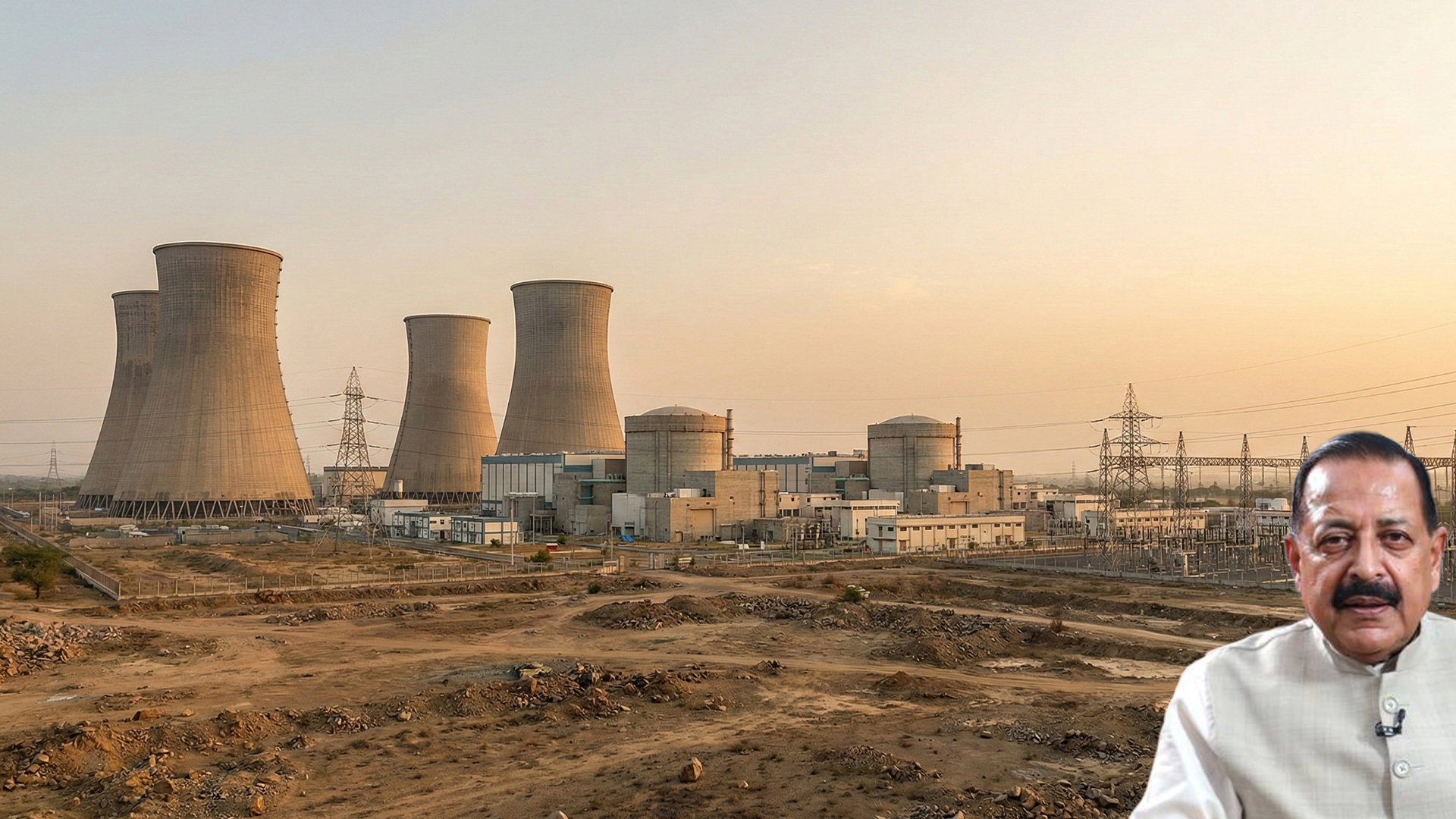
India has taken a historic step to reform its nuclear energy sector with the introduction of the Shanti Bill, 2025, in the Lok Sabha. The law aims to allow private companies to build, operate, and manage nuclear power plants, ending the six-decade monopoly of the government in this critical energy sector.
Under the Shanti Bill, private firms, public companies, or joint ventures can obtain licences from the central government to construct, own, operate, and decommission nuclear reactors and power plants. In addition to electricity generation, the bill opens the entire nuclear value chain to private participation, including fuel fabrication, storage, transport, and import-export of nuclear fuel and equipment. All these activities will operate under strict regulatory oversight to ensure safety and compliance with national standards.
One of the most significant changes brought by the bill is the overhaul of the nuclear liability framework. Previously, India’s liability laws included provisions that made foreign companies wary of investing in nuclear projects. The Shanti Bill introduces defined liability limits for plant operators while removing clauses that imposed supplier liability, making it easier for international and private firms to enter the sector. This reform is expected to attract both domestic and foreign investment, accelerating the development of India’s nuclear energy capacity.
Government officials have highlighted that the bill is a key step in meeting India’s growing energy demand while promoting cleaner and greener power generation. Nuclear energy is expected to play a significant role in reducing the country’s dependence on fossil fuels and supporting its climate goals. The legislation also emphasizes safety, transparency, and modernization of nuclear plant operations.
Experts see the Bill as a historic and transformative initiative. By enabling private sector participation, India’s nuclear energy sector could become more competitive, efficient, and technologically advanced. The new law is expected to drive innovation, enhance energy security, and expand clean energy availability across the country.
The Shanti Bill is currently under parliamentary discussion before becoming law.
Also Read : PM Modi boosts bilateral relations with Jordan visit