After decades far from home, three ancient bronze sculptures that once belonged to temples in Tamil Nadu are set to return to India. The Smithsonian’s National Museum of Asian Art in the United States has announced it will repatriate the artefacts after confirming they were illegally removed from their original temple settings.
The decision follows detailed provenance research by the museum, which traced the sculptures’ history through old photographs, records and archival material. This investigation revealed that the bronzes were documented in South Indian temples during the 1950s, long before they appeared in the international art market.
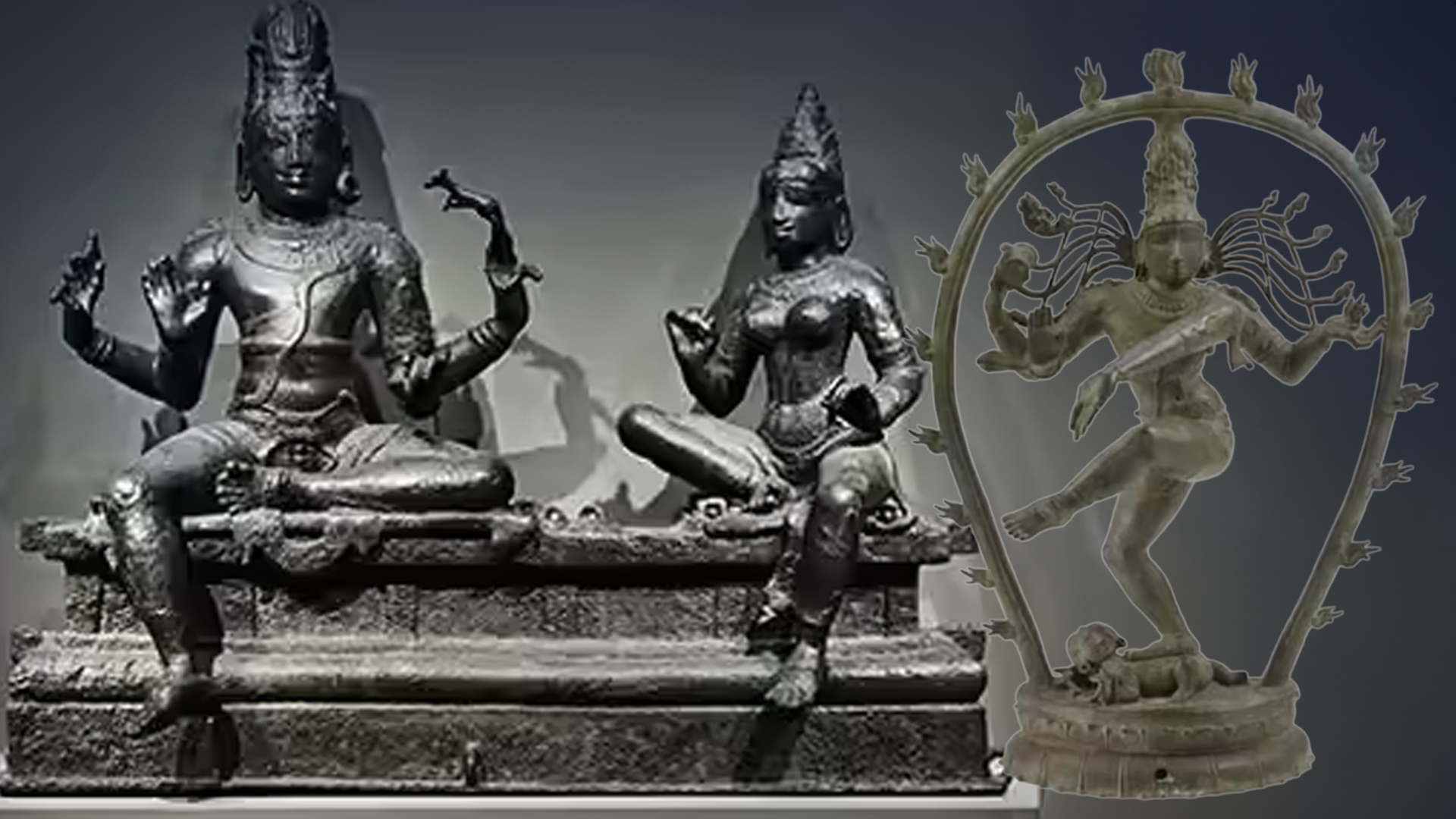
The sculptures include a Chola-era Shiva Nataraja dating back to around 990 CE, a Somaskanda bronze from the 12th century, and a 16th-century Vijayanagar-period sculpture of Saint Sundarar with his consort Paravai. All three are important not just as works of art, but as sacred icons that were once central to temple worship and religious processions.
Experts say these bronzes represent the height of South India’s metal-casting tradition, known for its spiritual symbolism and technical mastery. Their removal from temples deprived local communities of living heritage that had been part of daily ritual life for centuries.
The museum’s findings were supported by photographs from the French Institute of Pondicherry, which clearly showed the sculptures in their original temple locations. The Archaeological Survey of India later reviewed the evidence and confirmed that the artefacts had been taken out of the country in violation of Indian law.
Under the agreement, two sculptures will be fully returned to India, while the Shiva Nataraja will remain at the Smithsonian on a long-term loan, with India’s consent. The museum plans to display it along with clear information about its journey, from a Tamil Nadu temple to the US, and now back under Indian ownership.
Also Read: IAF battles forest fires in Lohit valley, Arunachal