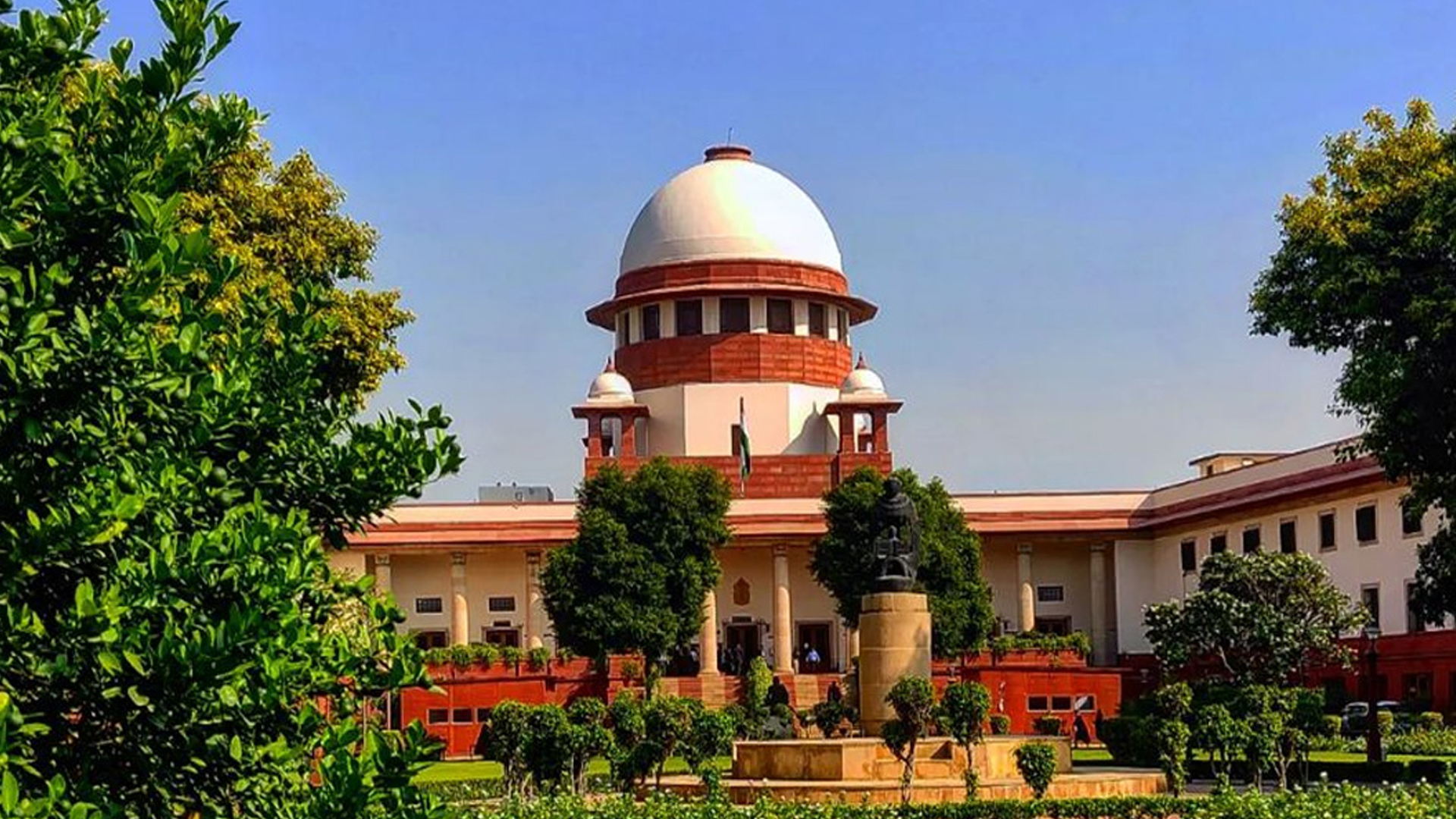
The Supreme Court of India has instructed the Election Commission (EC) to consider accepting Aadhaar cards as an additional document for verifying voter identity in the ongoing Special Intensive Revision (SIR) of electoral rolls in Bihar. This directive aims to facilitate the inclusion of eligible voters who may have been excluded from the draft electoral rolls.
A bench comprising Justices Surya Kant and Joymalya Bagchi clarified that while Aadhaar can be accepted as the 12th prescribed document for identification purposes, it should not be regarded as proof of citizenship. The court emphasized that only genuine citizens are entitled to vote and cautioned against the inclusion of illegal immigrants in the electoral rolls. The EC has been directed to verify the authenticity of Aadhaar details submitted by voters to ensure the integrity of the electoral process.
This development follows a series of legal proceedings concerning the SIR exercise in Bihar, the first such revision since 2003. The exercise has led to a reduction in the total number of registered voters from 7.9 crore to 7.24 crore, prompting allegations from opposition parties that the process may disenfranchise certain sections of the electorate. Parties such as the Rashtriya Janata Dal (RJD) and the All India Majlis-e-Ittehadul Muslimeen (AIMIM) have petitioned for extensions to the deadlines for filing claims and objections, arguing that many voters are at risk of exclusion.
The EC maintains that the revision aims to cleanse the electoral rolls by removing names of deceased individuals, duplicate entries, and illegal immigrants. The commission reported that 99.5% of Bihar’s 7.24 crore electors in the draft roll had already submitted eligibility documents. The final electoral roll for Bihar is scheduled to be published on September 30.
In response to the court’s directive, the EC has agreed to consider Aadhaar as a valid document for voter identity verification in the SIR process. However, the commission has also been instructed to ensure the genuineness of the Aadhaar details provided by voters to prevent fraudulent inclusions. The court’s intervention underscores the importance of maintaining an accurate and inclusive electoral roll while safeguarding against potential misuse.
The SIR exercise in Bihar continues to be a subject of intense scrutiny and debate. The Supreme Court’s involvement highlights the critical balance between updating electoral rolls to reflect current demographics and ensuring that eligible voters are not unjustly excluded. As the final publication date approaches, the EC’s adherence to the court’s directives will be pivotal in determining the credibility and fairness of the electoral process in Bihar.
Also Read: GST Cut Sparks Rally: Tata Motors, M&M, Bajaj Auto Shine