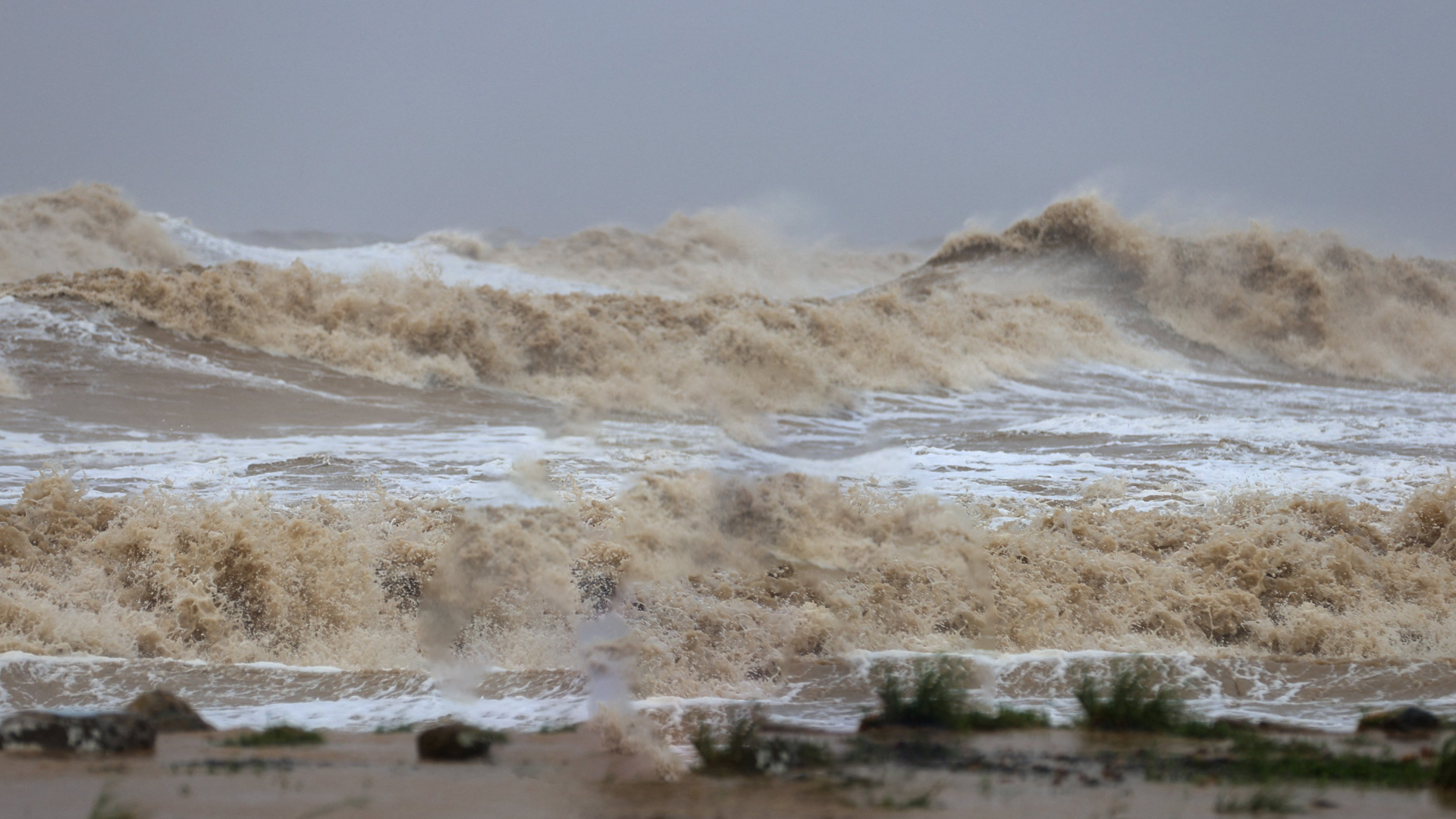
Tropical Storm Kajiki has unleashed devastating floods and landslides across Southeast Asia, leaving at least nine people dead and several missing as of August 27, 2025. The storm, which made landfall in central Vietnam on August 25, has weakened into a low-pressure system but continues to bring heavy rain, triggering widespread damage in Vietnam and Thailand.
In Vietnam, torrential rains and powerful winds caused severe flooding and landslides across several northern and central provinces. Seven people have been confirmed dead, one is missing, and at least 34 others are injured. Nearly 20 centimeters of rain fell overnight in parts of the northeast, overwhelming rivers and submerging urban areas, including parts of Hanoi. Hundreds of homes and infrastructure have been damaged, with authorities maintaining flood warnings for riverside communities. Emergency services have been deployed to assist residents, and evacuation efforts remain ongoing in high-risk zones as more rainfall is expected.
In Thailand, the remnants of Kajiki have caused deadly landslides and flash floods in the northern provinces. A major landslide in Mae Chaem district, Chiang Mai province, killed two people and left a 12-year-old girl missing after it struck around 2:50 a.m. on August 27, destroying at least seven houses. Heavy rainfall has inundated multiple communities, leaving homes damaged and roads impassable. Flash floods have caused injuries and forced several evacuations in other northern regions. Thai authorities have issued severe weather alerts for five northern provinces, warning residents living near rivers, foothills, and mountainous areas to be on high alert for further landslides and flooding.
The storm’s impact has extended beyond Vietnam and Thailand. Before moving westward, Kajiki battered China’s southern Hainan Island with strong winds and heavy rain, disrupting transportation and damaging property. While the storm has weakened significantly, its lingering moisture continues to fuel dangerous weather conditions across Southeast Asia. Governments in affected countries are maintaining close monitoring and deploying resources to support relief operations.
Scientists have long warned that climate change is intensifying tropical storms in the region. Warmer sea surface temperatures are fueling cyclones to develop closer to land, intensify more rapidly, and last longer, increasing risks for both coastal and inland communities. With Southeast Asia’s densely populated cities and vulnerable rural areas, extreme weather events like Kajiki underscore the urgent need for improved disaster preparedness, resilient infrastructure, and climate adaptation strategies.
As rescue and relief operations continue, local authorities are urging residents in vulnerable regions to remain vigilant and follow official safety instructions. Emergency response teams are working around the clock to restore power, clear debris, and provide shelter for displaced families. Although Kajiki has weakened, meteorologists warn that persistent rainfall could exacerbate flooding and landslide risks in the coming days. The storm’s devastation serves as another stark reminder of the escalating climate challenges facing Southeast Asia.
Also Read: Goodbye Green Card, Hello Gold Card? US Proposes H-1B Visa Overhaul