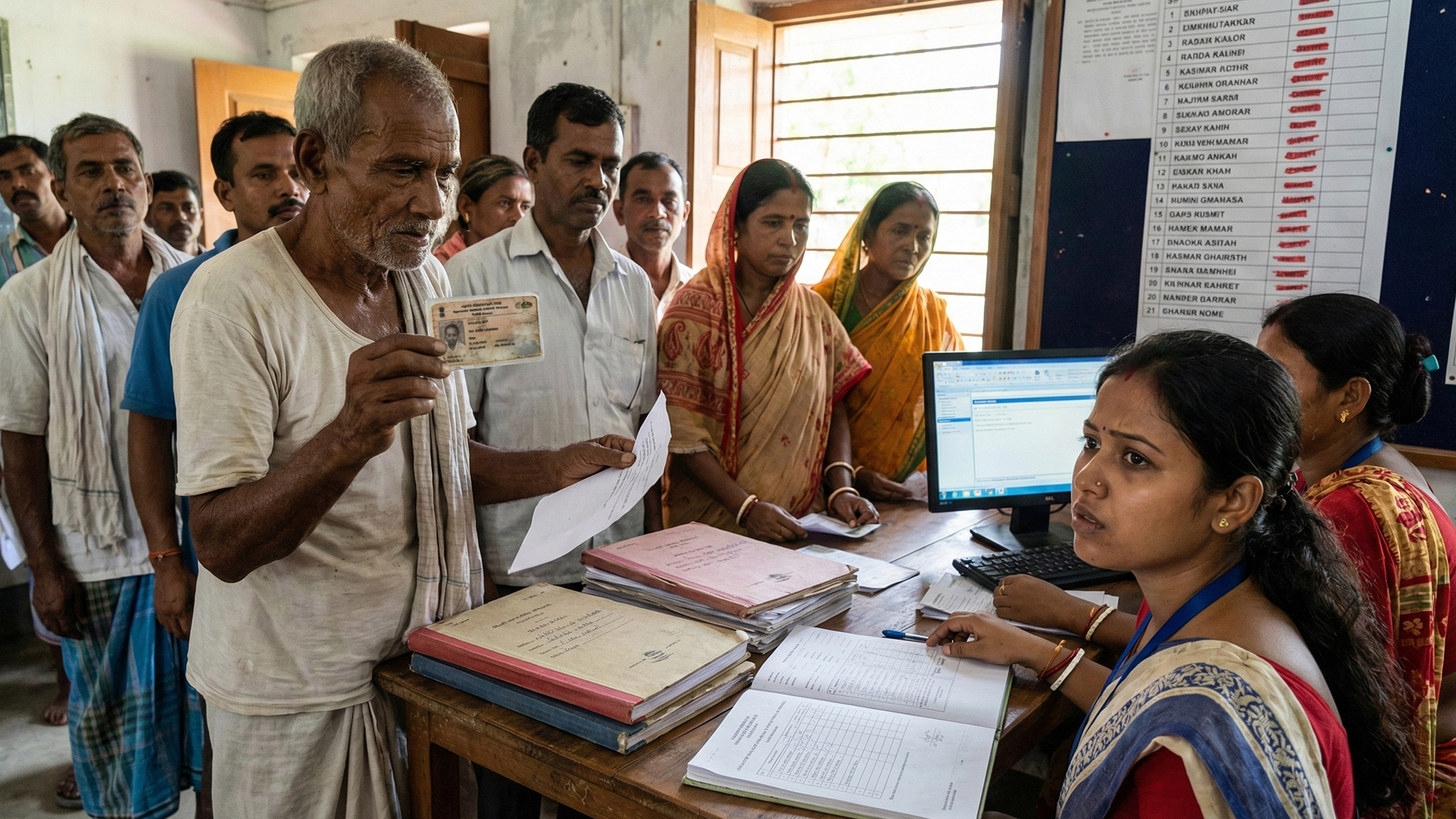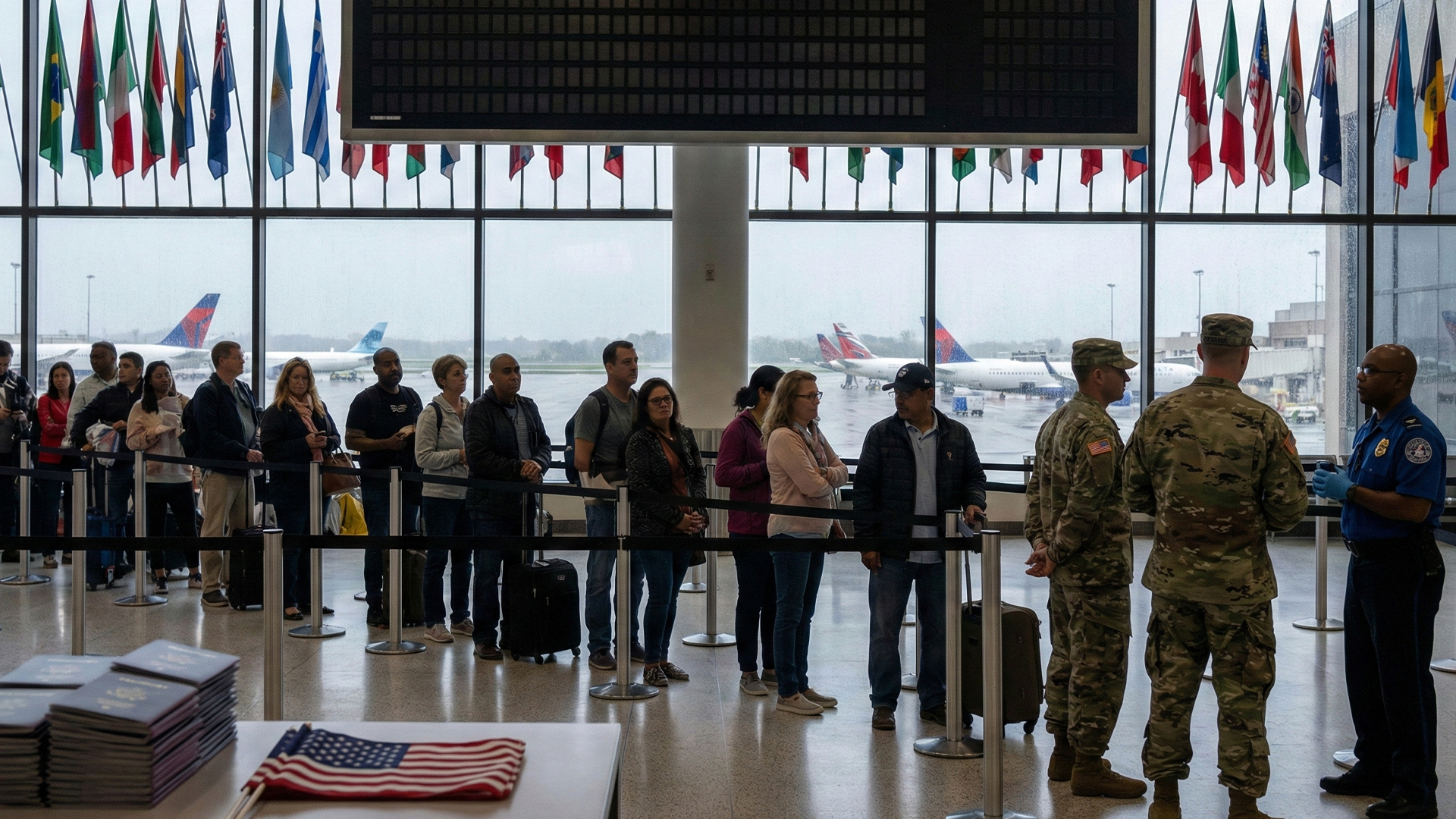
The Trump administration has expanded its controversial travel ban, now affecting citizens from 39 countries, nearly double the previous list of 19. The new restrictions, set to take effect from January 1, 2026, bar or limit entry into the United States for nationals from several African, Middle Eastern, and Asian nations.
Countries fully barred from entry include Burkina Faso, Mali, Niger, South Sudan, Syria, Laos, and Sierra Leone. Nationals from these countries will not be allowed to enter the US under any circumstances, while citizens from 15 other nations, including Nigeria, Angola, Côte d’Ivoire, Senegal, and Tanzania, will face partial restrictions on certain visas or travel purposes. Travelers with documents issued by the Palestinian Authority are also affected.
The White House justified the move as a national security measure, stating that the expanded list targets countries with “deficiencies” in security screening and information sharing. Officials said these gaps could pose risks to the safety of US citizens and residents. The policy follows a recent violent incident in Washington, D.C., involving a US National Guard member and an immigrant from Afghanistan, which further fueled the administration’s emphasis on tightening entry rules.
Critics, however, argue that the travel ban unfairly singles out entire populations based on nationality rather than individual risk. Human rights organizations warn that it could separate families, disrupt humanitarian work, and reinforce perceptions of discrimination against people from affected regions. Legal experts have also raised questions about potential conflicts with US constitutional protections and international human rights obligations.
While some categories of travelers, including diplomats, current visa holders, and certain permanent residents, may be exempt, the broader impact is expected to be significant. Airlines, travel agencies, and immigration authorities are preparing for the new rules, while advocacy groups urge careful monitoring to ensure that humanitarian and family-based travel is not unduly restricted.
As the effective date approaches, the expanded travel ban is likely to remain a point of contention in U.S. immigration policy, balancing national security concerns with debates over fairness and human rights.
Also Read: Trump orders US blockade on Venezuelan oil tankers