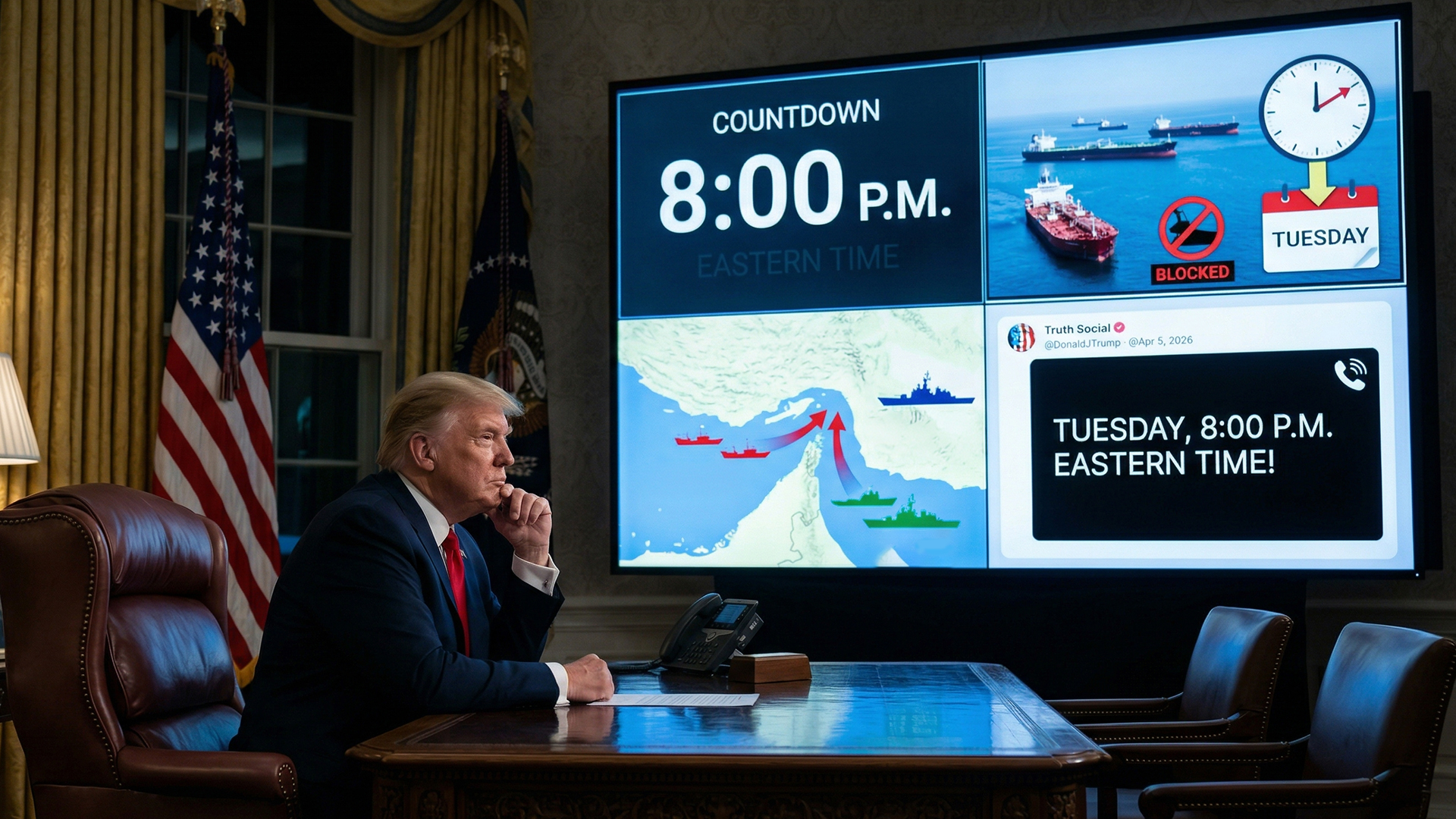
Tensions between the United States and Iran have intensified after US President Donald Trump extended a deadline for Tehran to reopen the Strait of Hormuz, a key global oil route.
In a recent message, Trump urged Iran to allow the free movement of oil tankers through the strait, warning that failure to comply could lead to serious consequences. The waterway is critical for global energy supplies, and any disruption has a direct impact on oil prices worldwide.
While extending the deadline, Trump indicated that the US is still open to a resolution but made it clear that patience is limited. He suggested that if Iran does not act, the US could target key infrastructure, raising fears of further escalation in the region.
Iran responded strongly, rejecting the warning and saying it would not bow to pressure. Officials in Tehran warned that any military action by the US would be met with an equal response, signalling that the country is prepared to retaliate if needed.
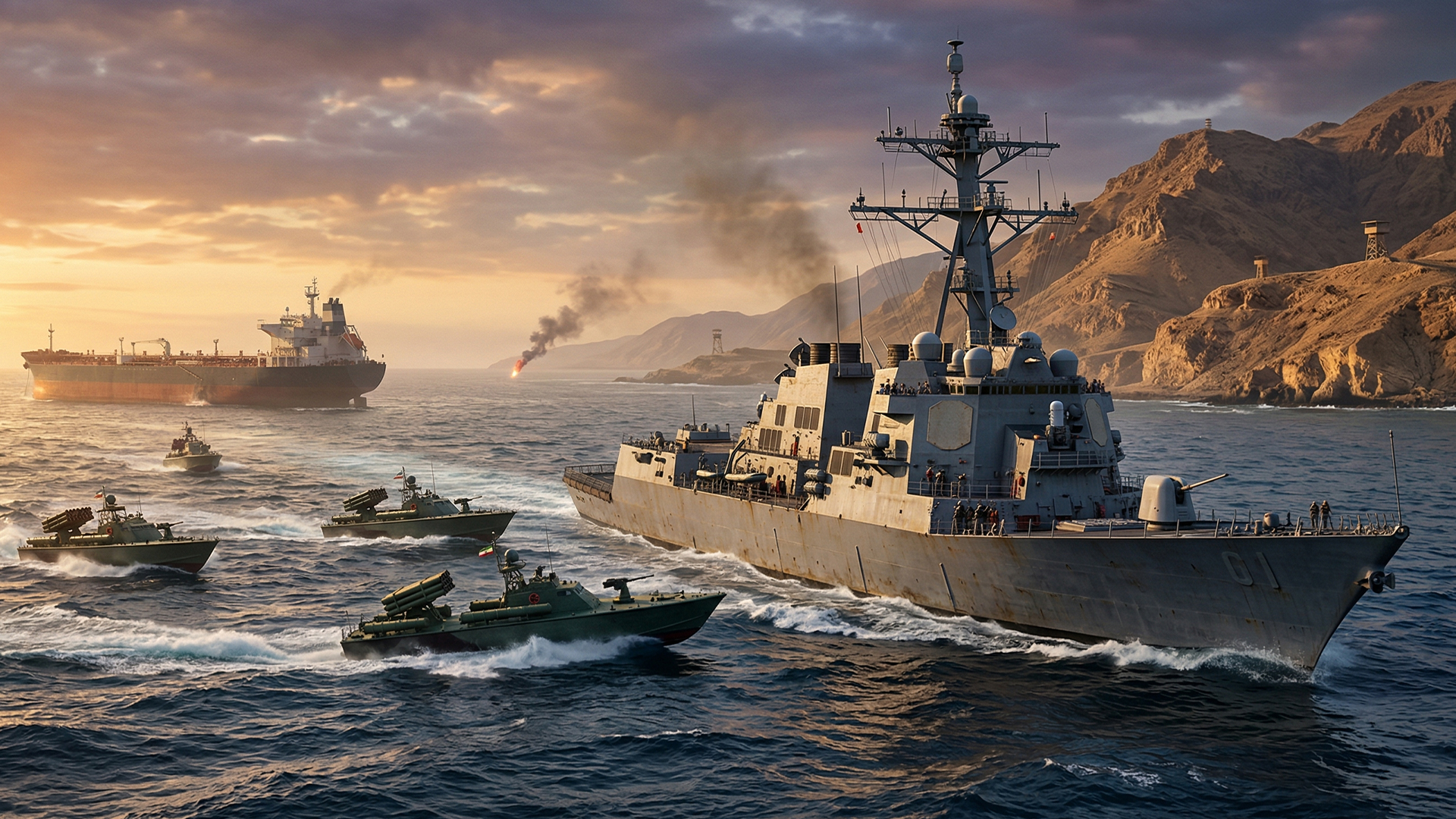
The standoff comes at a time when the region is already on edge. There have been ongoing military exchanges, including reported strikes on Iranian-linked sites and retaliatory drone and missile attacks. This has increased concerns about a wider conflict in West Asia.
At the centre of the issue is the Strait of Hormuz, one of the world’s most important oil transit routes. Any disruption there can quickly push up global crude prices and affect economies that depend heavily on oil imports.
Despite the strong rhetoric from both sides, there are still signs that diplomacy could play a role. Some reports suggest that back-channel talks or temporary arrangements may be under consideration, though nothing has been confirmed so far.