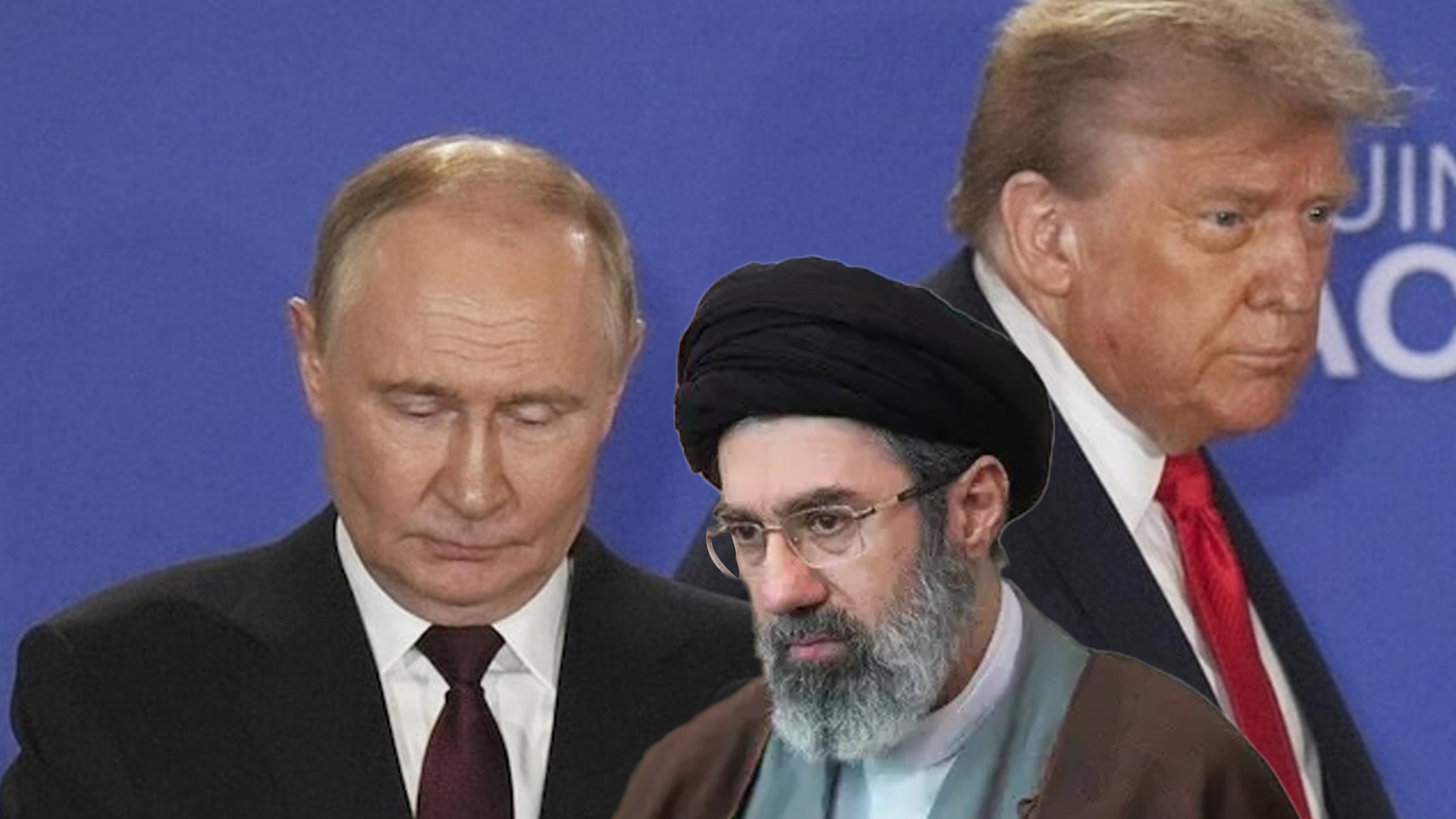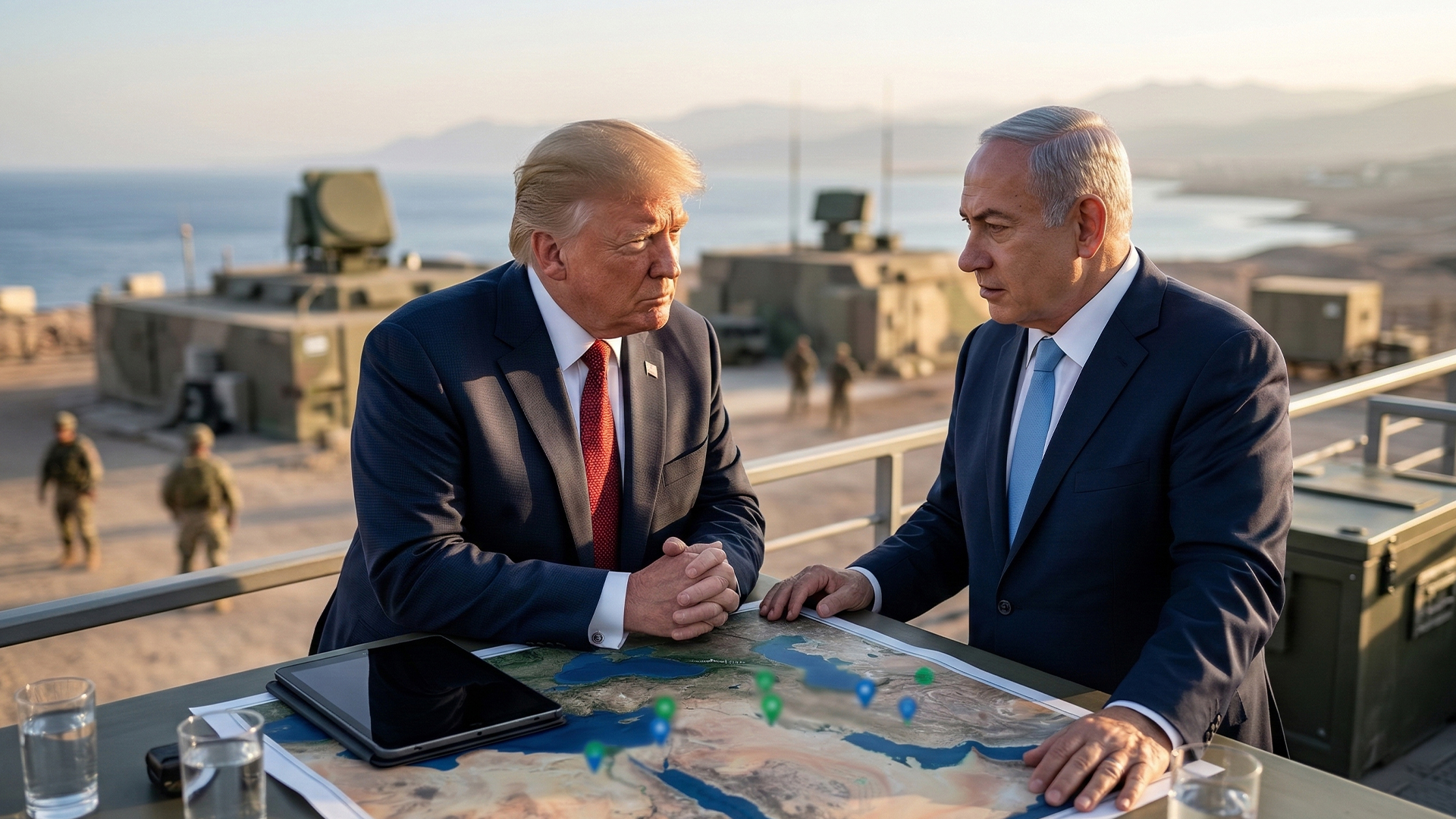
Global crude oil prices surged past $100 per barrel as tensions in the Middle East escalate, driven by the ongoing conflict involving Iran, United States and Israel. The rise in oil prices has raised concerns about inflation, economic pressure on oil‑importing countries and increased fuel costs worldwide.
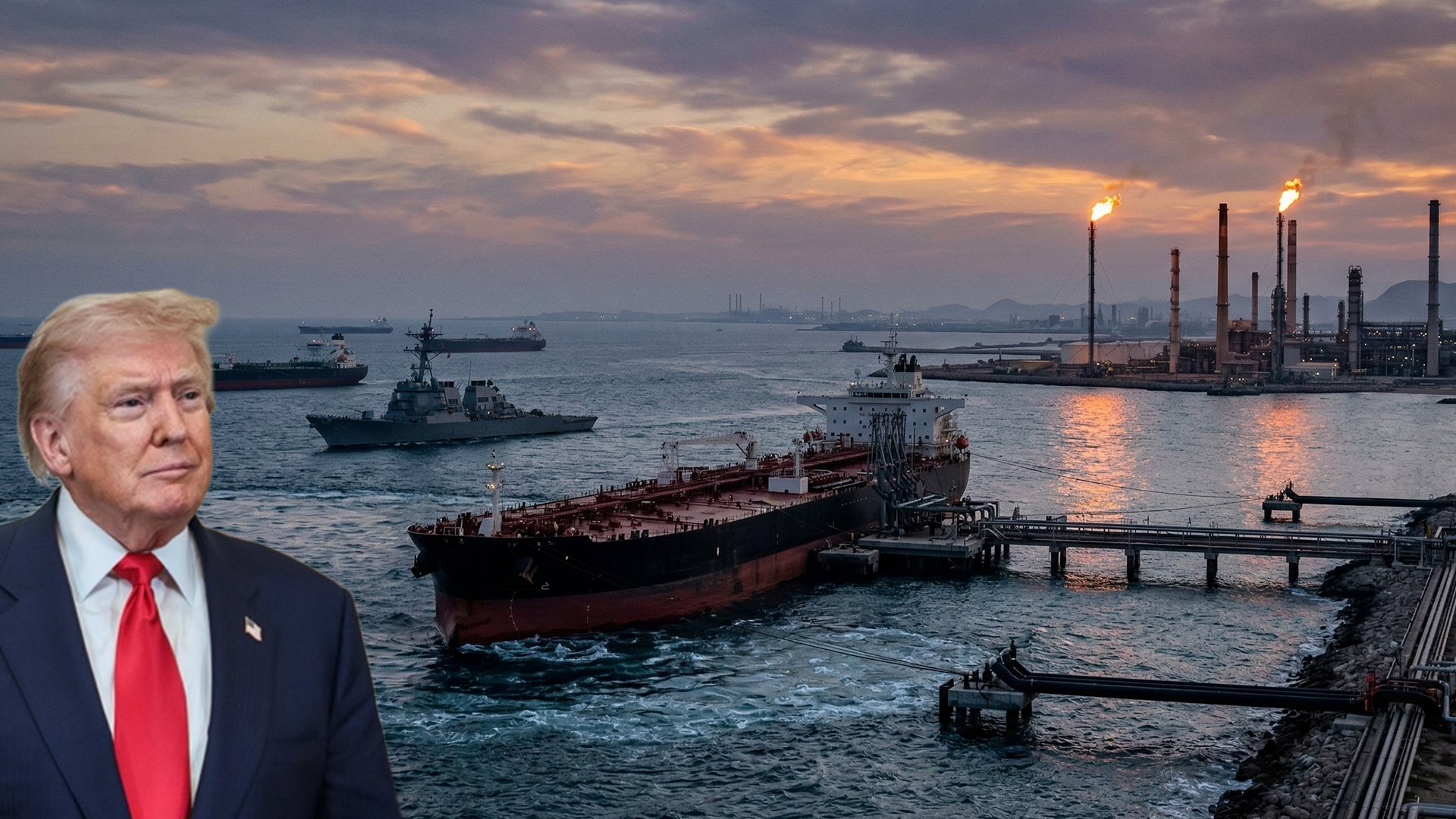
The spike in crude comes amid expanding hostilities in the region, which sits at the heart of global oil supply routes. The Strait of Hormuz, a key chokepoint through which a significant portion of the world’s oil is transported, has seen disruptions in shipping due to security risks. Any threat to supply routes quickly feeds into higher international oil prices.
In response to the price surge, President Donald Trump said the world may have to accept higher energy costs as part of efforts to confront Iran. Trump described the elevated oil prices as a “small price to pay” for defeating Iran in the ongoing conflict and ensuring long‑term security. His comments have drawn mixed reactions from economists and world leaders, many of whom noted that higher crude prices can strain global economies and increase living costs.
Oil reached above $100 a barrel on major benchmarks as traders reacted to geopolitical risks, potential supply constraints and the likelihood of continued instability in the region. Market analysts say prices could remain volatile as long as the conflict continues and if oil shipments through critical routes remain disrupted.
The rise in crude prices has immediate implications for oil‑importing countries. For nations dependent on imported fuel, including India, higher crude costs can lead to increased prices at petrol pumps, greater import bills and upward pressure on inflation. Governments often face difficult choices when global oil prices rise sharply, balancing economic stability and consumer relief measures.
Energy markets are also watching responses from major oil producers. Some countries in the Organization of the Petroleum Exporting Countries and allied producers may adjust output in an effort to stabilise prices, but decisions depend on evolving geopolitical developments.
Economists warn that if oil prices stay high for an extended period, it could slow global growth by raising production costs for industries and reducing consumer spending power. Central banks may also face pressure to adjust monetary policy if inflation remains elevated due to energy costs.
Also Read: Mojtaba Khamenei takes charge as Iran’s supreme leader