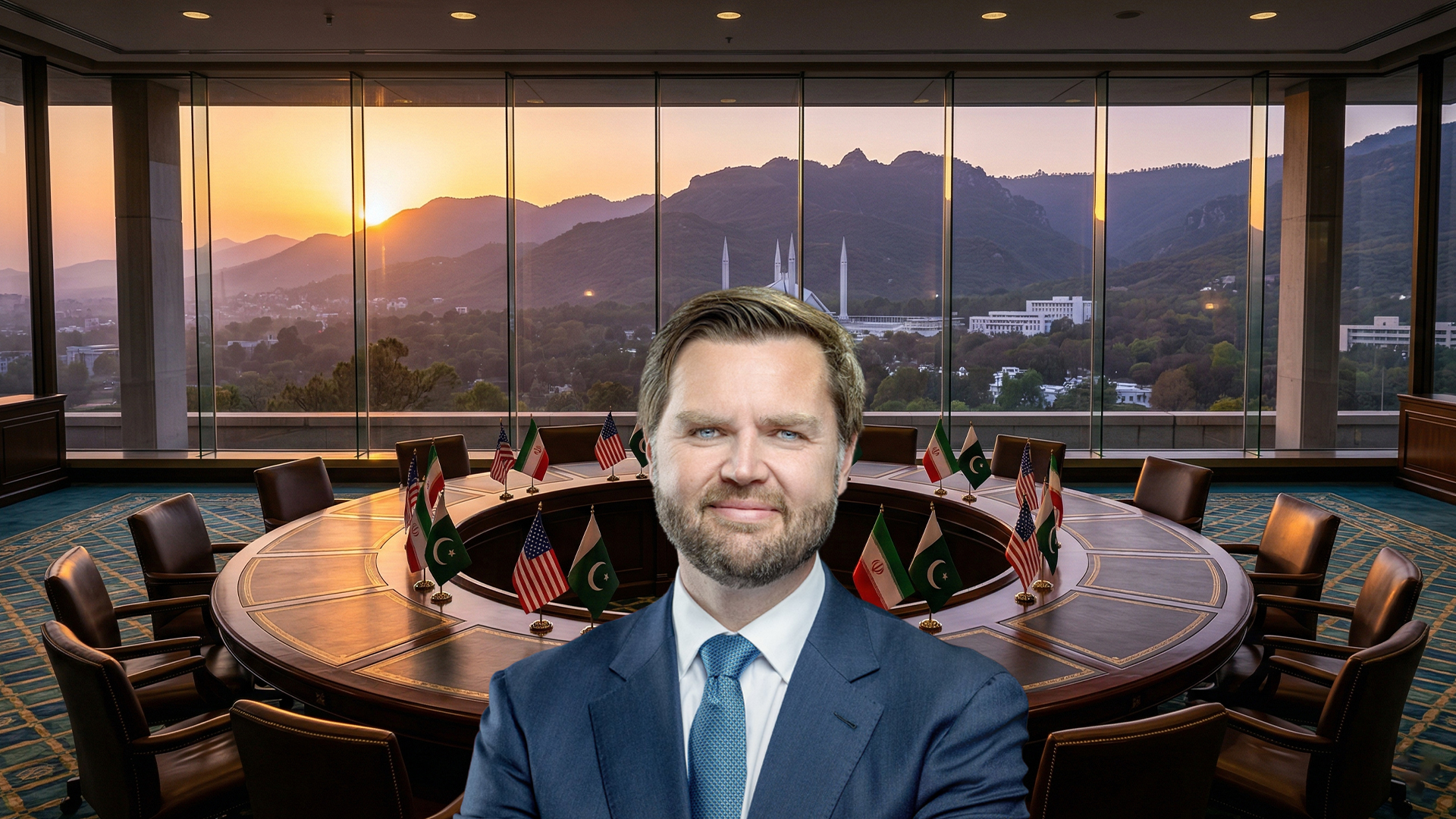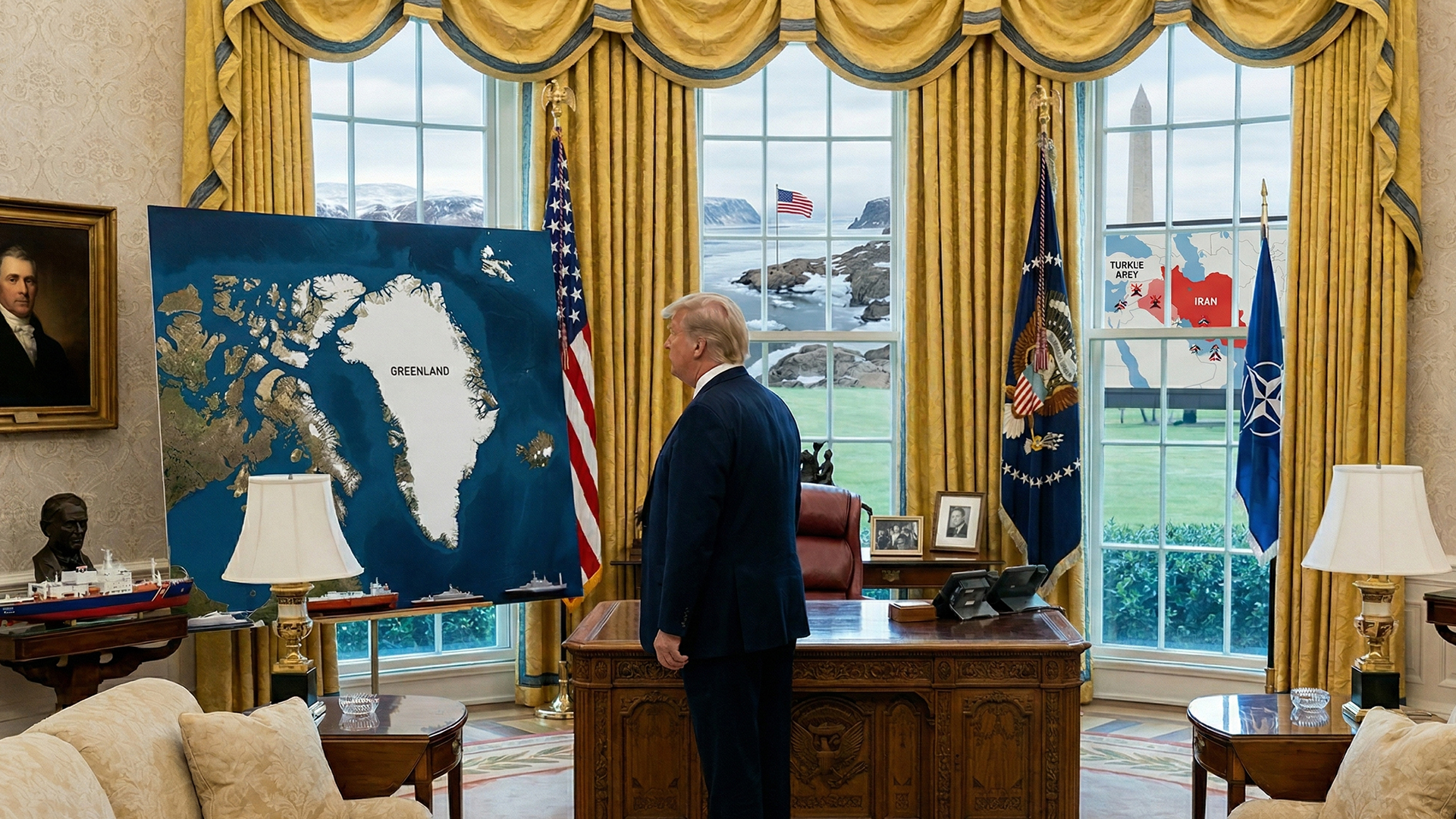
US President Donald Trump has said he will be involved “indirectly” in the latest round of nuclear negotiations between the United States and Iran, as officials from both sides prepare for high-stakes discussions in Geneva that could influence the security landscape of the Middle East.
The talks are not being held face to face. Instead, messages will be exchanged through mediators, with Oman once again acting as the key channel between Washington and Tehran. The indirect format reflects the deep mistrust that has defined relations for decades, especially after the collapse of the earlier nuclear agreement and the reimposition of US sanctions.
Trump, speaking ahead of the meeting, described the diplomatic effort as “very important” and suggested that there may be a fresh opportunity to reach an understanding. While he will not sit at the negotiating table, his involvement is expected to shape the US position and the final decision on any potential deal.
At the heart of the negotiations is Washington’s demand that Iran significantly scale back its uranium enrichment programme, which the US and its allies fear could be used to develop nuclear weapons. Tehran has consistently maintained that its nuclear activities are for peaceful, civilian purposes and has insisted that enrichment is its sovereign right. In return for any curbs, Iran is seeking sweeping relief from economic sanctions that have put severe pressure on its economy.
The diplomatic outreach comes at a time of heightened military signalling. The US has increased its naval presence in West Asian waters, while Iran has conducted exercises near the strategically vital Strait of Hormuz, a route through which a significant share of the world’s oil supplies passes.
Officials on both sides have described the upcoming engagement as difficult but necessary. For Washington, the priority is to prevent further nuclear escalation without sliding into conflict. For Tehran, the talks offer a possible pathway to economic relief and international re-engagement.
Also Read: SC flags translation row in Sonam Wangchuk case