For the first time in its history, a famine is set to be formally declared in Gaza, according to a report from the UN-backed Integrated Food Security Phase Classification (IPC), a globally recognized system that monitors food insecurity and malnutrition. The declaration, expected to be issued imminently, will cover Gaza City and parts of the central and southern territories, though data from northern Gaza remains insufficient for official classification, despite conditions there being widely regarded as catastrophic.
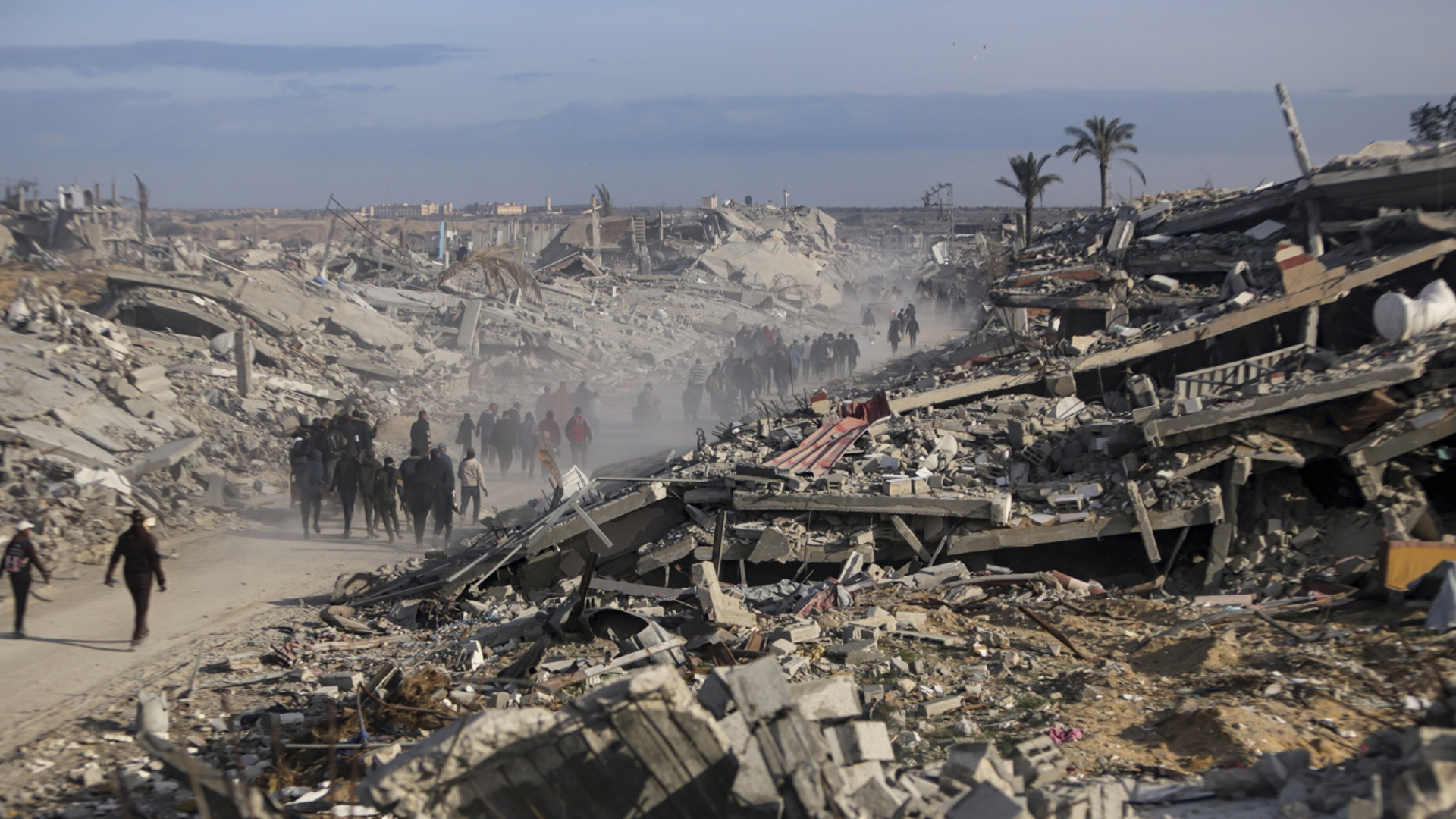
The famine declaration is based on strict internationally recognized criteria. At least 20 percent of households must face an extreme lack of food, 30 percent of children must suffer from acute malnutrition, and the death rate from starvation must reach two people per 10,000 per day. According to preliminary assessments, these thresholds have now been met in Gaza City, home to roughly 500,000 residents and the last major urban center in the territory that has not been completely reduced to rubble. Aid officials note that northern Gaza, which has been heavily bombarded and largely destroyed, is likely experiencing even more severe conditions, though precise data remains scarce due to access challenges.
The IPC, established in 2004, has only formally declared famine four times globally, most recently in Sudan last year. Prior to this declaration, the organization had issued warnings of impending famine in Gaza but refrained from making a formal pronouncement, citing insufficient hard data. The upcoming announcement underscores the gravity of the humanitarian crisis that has been exacerbated by Israel’s ongoing military operations in the territory. Israeli forces are currently advancing toward Gaza City, intensifying the blockade and limiting the flow of food, water, and medical supplies.
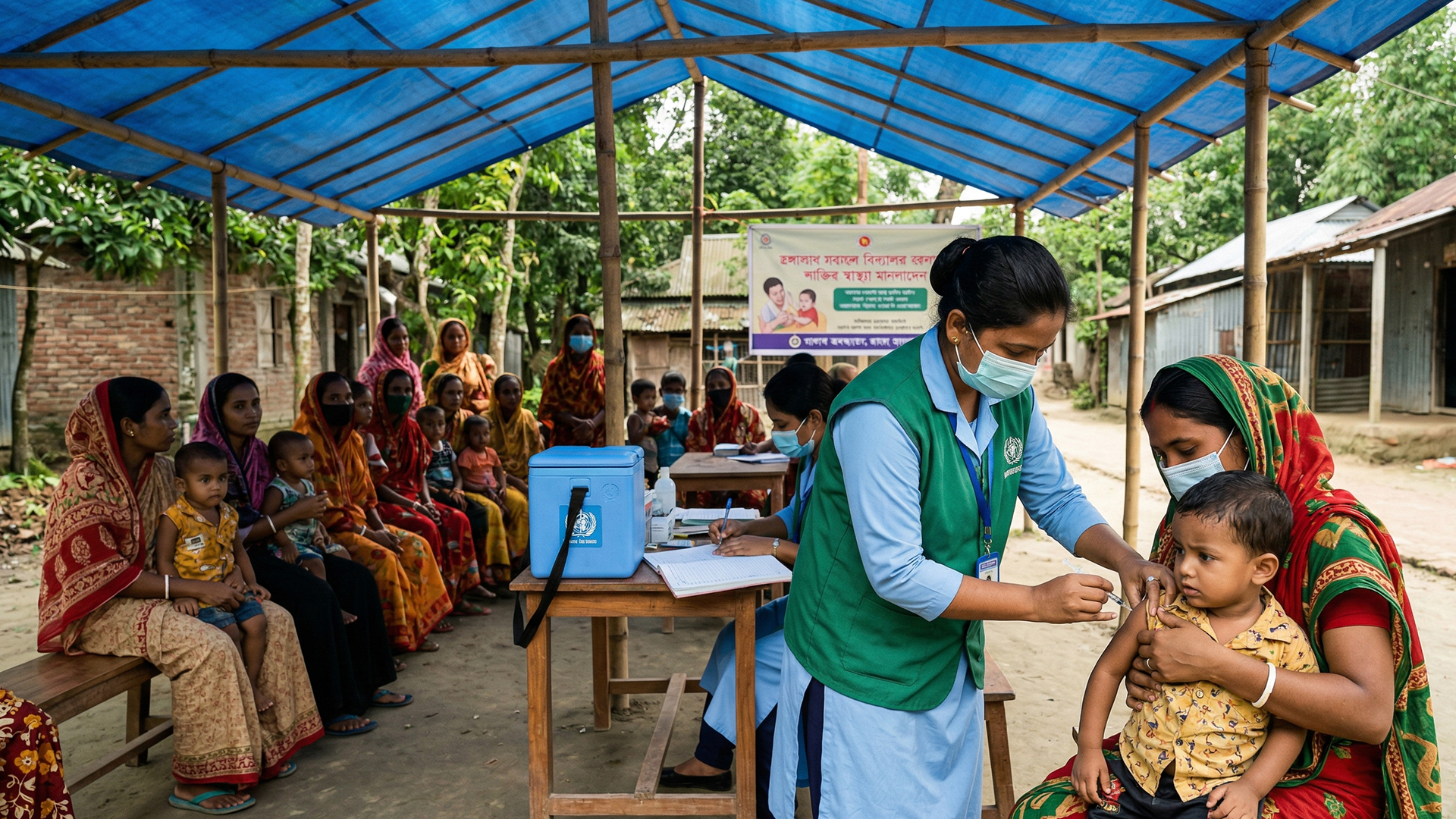
Humanitarian agencies have repeatedly highlighted the deteriorating conditions in Gaza. The World Food Programme (WFP) and UNICEF have warned that millions of people are facing food insecurity, with children being particularly vulnerable to acute malnutrition. Hospitals are under severe strain, running low on critical medical supplies, while the civilian population is increasingly reliant on humanitarian aid for basic sustenance. Human Rights Watch and other monitoring organizations have emphasized that prolonged sieges and active combat operations in densely populated areas are significantly contributing to malnutrition and civilian casualties.
Despite mounting evidence, the Israeli government continues to deny that famine conditions exist in Gaza. Officials maintain that humanitarian aid is being delivered and that the security measures in place are necessary to address threats posed by Hamas and other militant groups. However, aid agencies operating in the region contend that restrictions on the movement of goods and people, combined with the destruction of infrastructure, are making it nearly impossible for residents to access sufficient food and water.
The declaration of famine carries profound implications for international humanitarian efforts. It is likely to trigger increased aid flows from the United Nations, donor governments, and non-governmental organizations, while drawing heightened global attention to the escalating crisis. Experts warn that without immediate intervention to restore food supply chains and medical support, the death toll could rise sharply, especially among children and the elderly.