The United States has approved an arms sale worth around $11 billion to Taiwan, a move that has once again strained relations with China and raised tensions in the Taiwan Strait. The decision was announced by the US State Department and is among the largest defence packages Washington has approved for Taiwan in recent years.
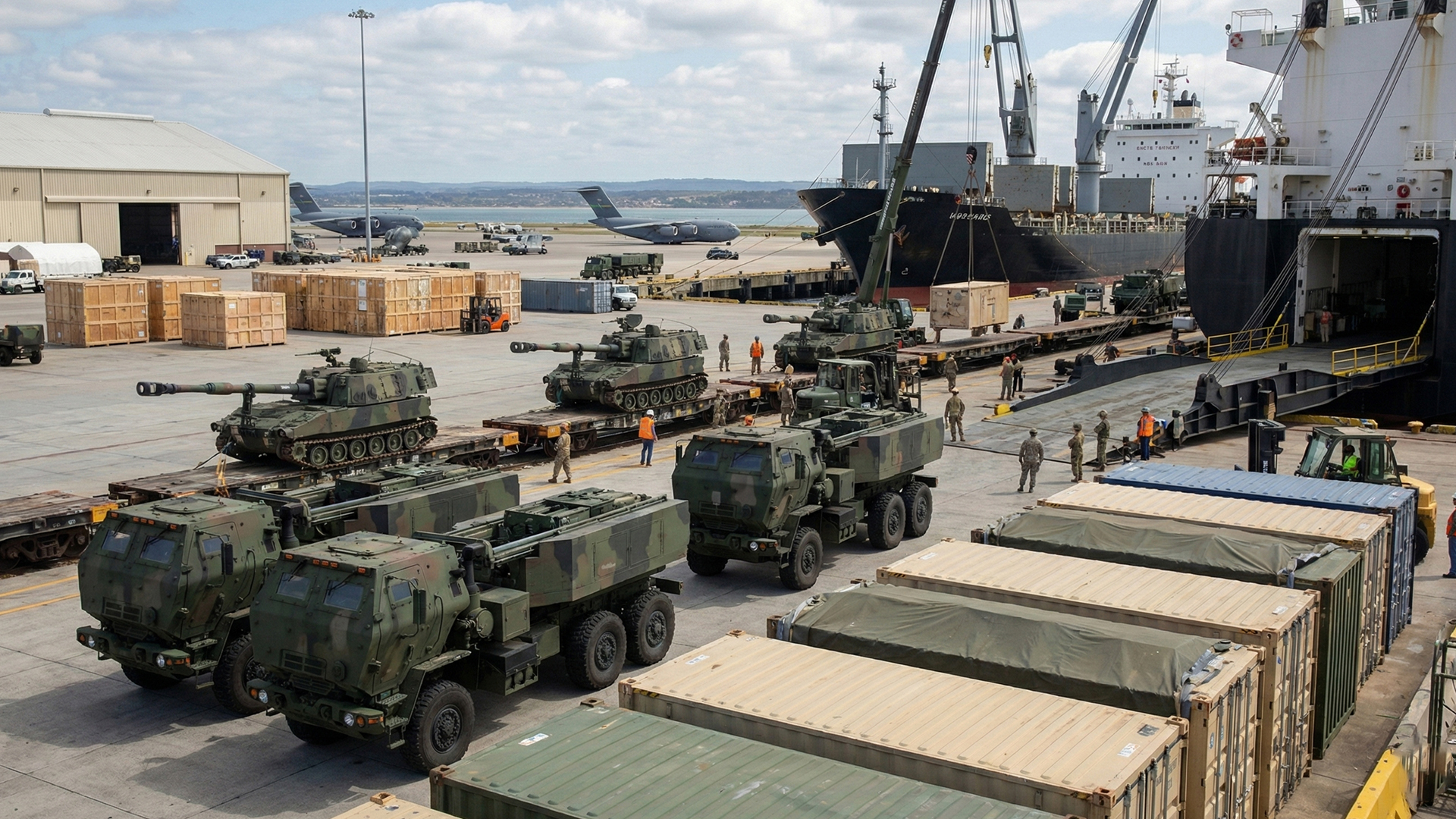
The weapons deal includes rocket systems, self-propelled artillery, anti-tank missiles, drones, military software, and spare parts. According to US officials, these systems are meant to improve Taiwan’s ability to defend itself, especially against rapid or unexpected military threats. The focus is on mobility, precision, and strengthening Taiwan’s deterrence capabilities.
As required by US law, the proposed sale has been sent to the US Congress, which has 30 days to review it. While lawmakers can raise objections, such arms sales are generally cleared. The US maintains that the deal is in line with the Taiwan Relations Act, which allows Washington to support Taiwan’s self-defence, even though the US does not formally recognise it as a separate country.
Taiwan welcomed the approval. The island’s defence ministry thanked the US and said the weapons would help modernise its armed forces. President Lai Ching-te has repeatedly stressed the need to strengthen Taiwan’s military as China increases its activities around the island. Taiwan is also planning higher defence spending in the coming years to improve air defence and missile systems.
China reacted strongly, condemning the arms sale and accusing the US of violating the one-China principle, under which Beijing claims Taiwan as part of its territory. China’s foreign ministry said the move interferes in its internal affairs and threatens regional peace. Beijing has warned that it will take firm steps to protect its interests and has not ruled out the use of force to reunify Taiwan.
The arms sale comes at a time when US-China relations remain tense over trade, technology, and security issues. Taiwan continues to be one of the most sensitive flashpoints between the two global powers, with developments closely watched across the region.
Also Read: CCI reviews IndiGo after flight disruptions