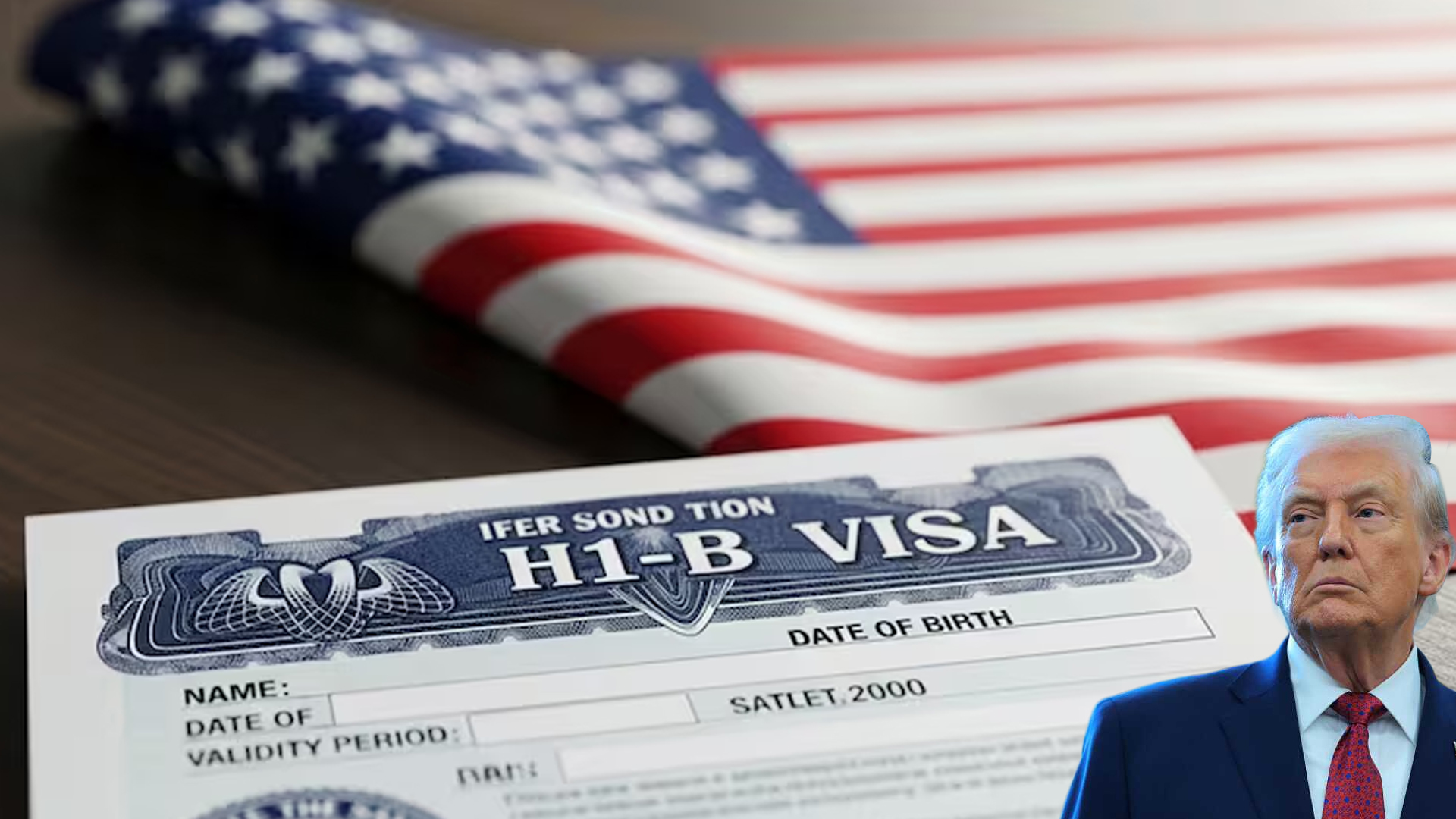
The US has announced a major change to the H‑1B work visa programme. Starting February 27, 2026, the government will end the long-standing random lottery system and introduce a new selection process that favours higher-paid and highly skilled workers.
Under the old system, tens of thousands of applications were chosen by chance. The new approach will use a weighted system, giving better chances to candidates who are offered higher salaries and have advanced skills. Lower-paid positions can still apply, but their chances of selection will be smaller.
The total number of H‑1B visas available each year will remain the same: 65,000 visas for regular applicants and 20,000 for those with US advanced degrees. Employers offering competitive salaries will have a higher likelihood of getting visas for their foreign workers.
US officials said the reform is aimed at protecting American workers by reducing practices that could lower wages or take jobs away from them. They also said the old lottery system was open to manipulation, with some companies submitting many applications for low-paying roles.
The change is part of wider immigration reforms, which include higher filing fees for H‑1B applications and stricter enforcement in other visa categories. Some business groups have criticised the move, saying it may make it harder for companies to hire international talent, especially in technology, engineering, and healthcare.
Supporters argue that giving preference to higher-paid, skilled workers will better serve the original goal of the H‑1B programme and strengthen the US workforce. Critics warn that mid-level professionals and early-career workers, especially from countries like India, may find it harder to secure visas under the new system.
The overhaul is one of the biggest changes to the H‑1B visa programme in decades and reflects the US government’s focus on attracting highly skilled foreign professionals while protecting domestic employment.
Also Read: Internet suspended after Assam Karbi Anglong clashes