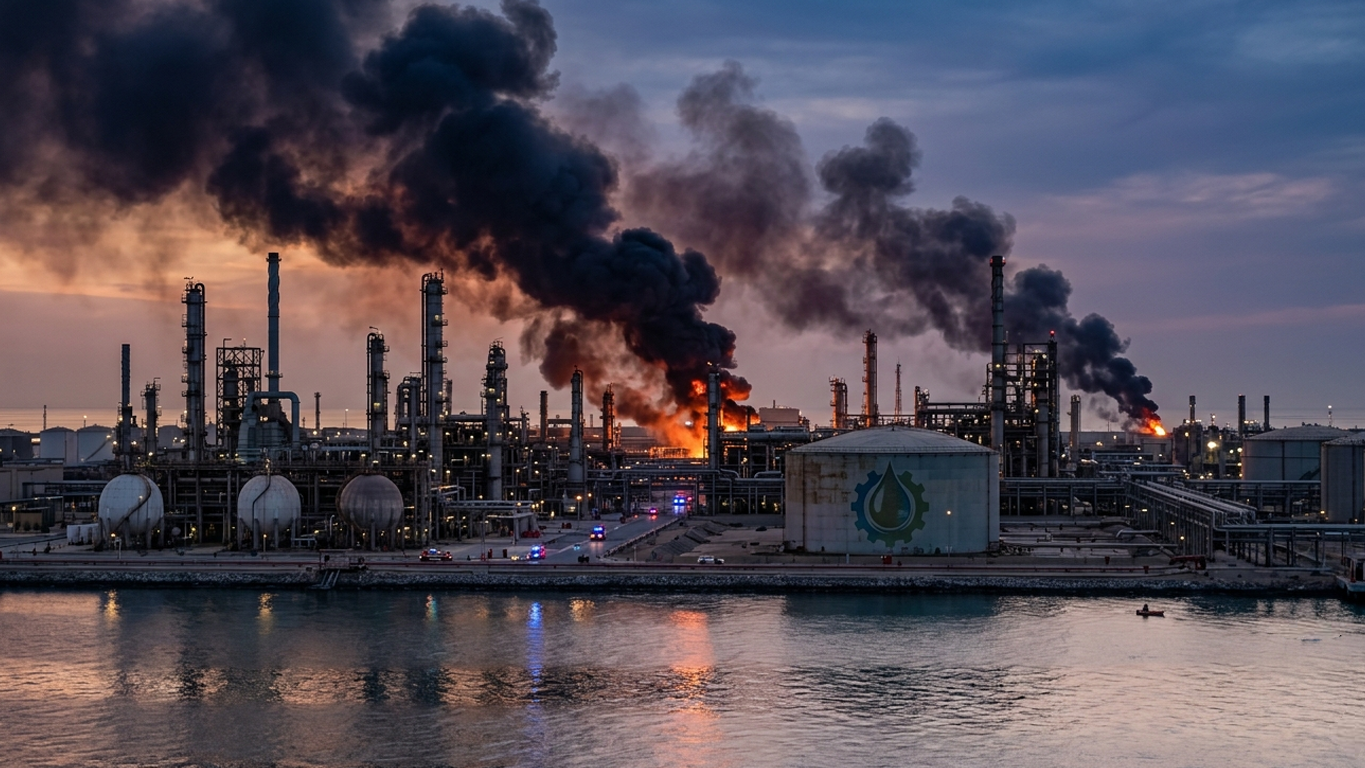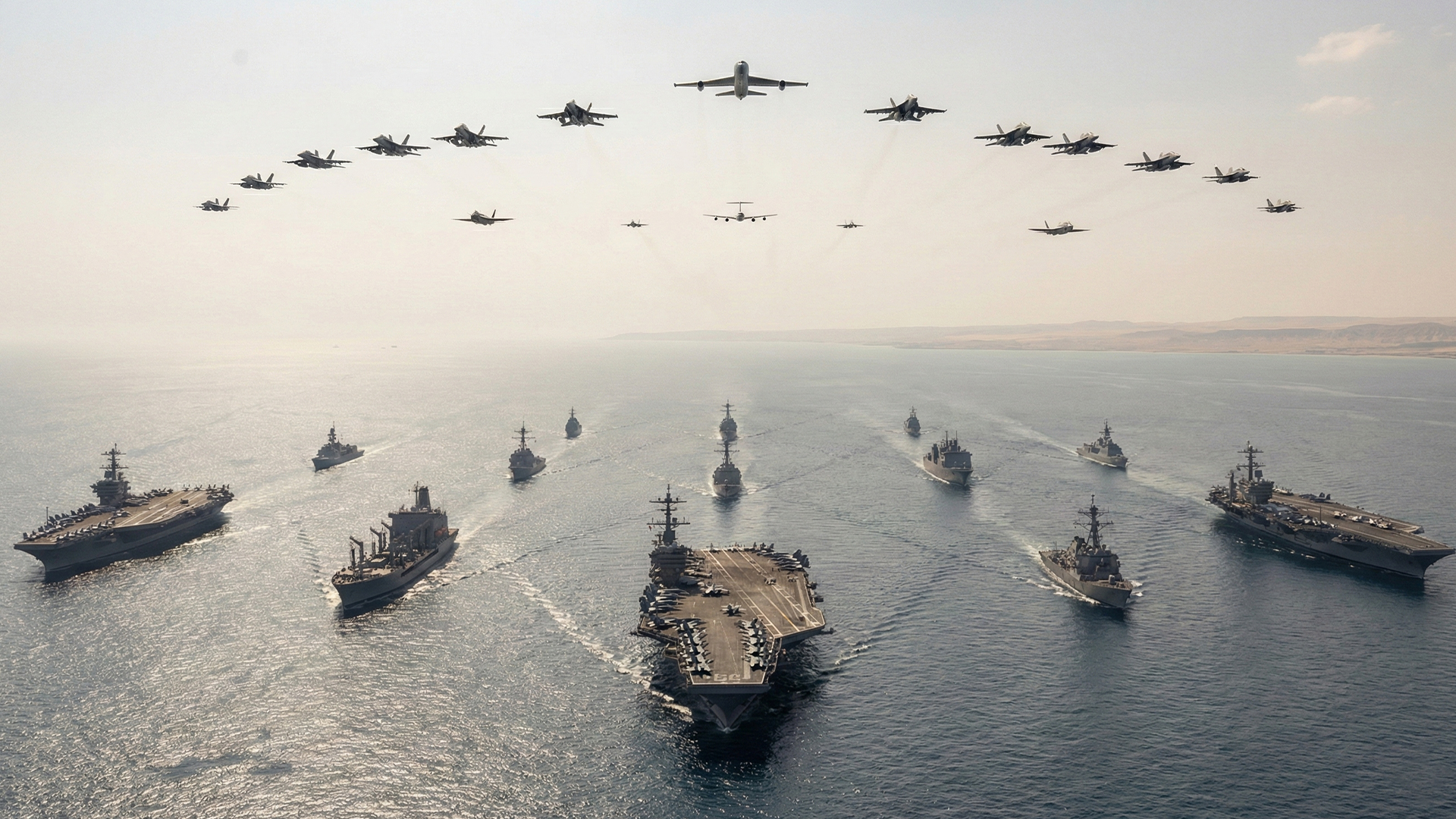
Tensions between the United States and Iran are escalating as diplomacy struggles to resolve disputes over Tehran’s nuclear programme. Washington has reinforced its military presence in the Middle East, deploying two carrier strike groups, fighter jets, and air defence systems across the Gulf. The USS Abraham Lincoln is already in the region, while the USS Gerald R. Ford and additional combat aircraft are en route, marking one of the largest US buildups in years.
Reports indicate that the Trump administration is weighing possible strikes on Iranian targets if talks fail, with some advisers warning that conflict could erupt within weeks. Officials say US forces are prepared for action at short notice, even as Washington maintains that diplomacy remains the priority.
Indirect nuclear talks in Geneva have produced an agreement on broad principles, but detailed negotiations remain stalled. Iran continues uranium enrichment while resisting US demands to halt it completely, and is expected to submit a more detailed proposal soon.
In response, Iran has conducted naval drills in the strategic Strait of Hormuz and announced joint exercises with Russia in the Sea of Oman, signaling its readiness to counter US pressure.
The international community is watching closely. Russia has warned that any US strike could destabilize the region further, adding to fears of a wider conflict. Meanwhile, internal unrest in Iran, including mass protests over economic and political issues, adds to the country’s complex strategic calculations.
Also Read: AI converts PM’s speech into 11 languages