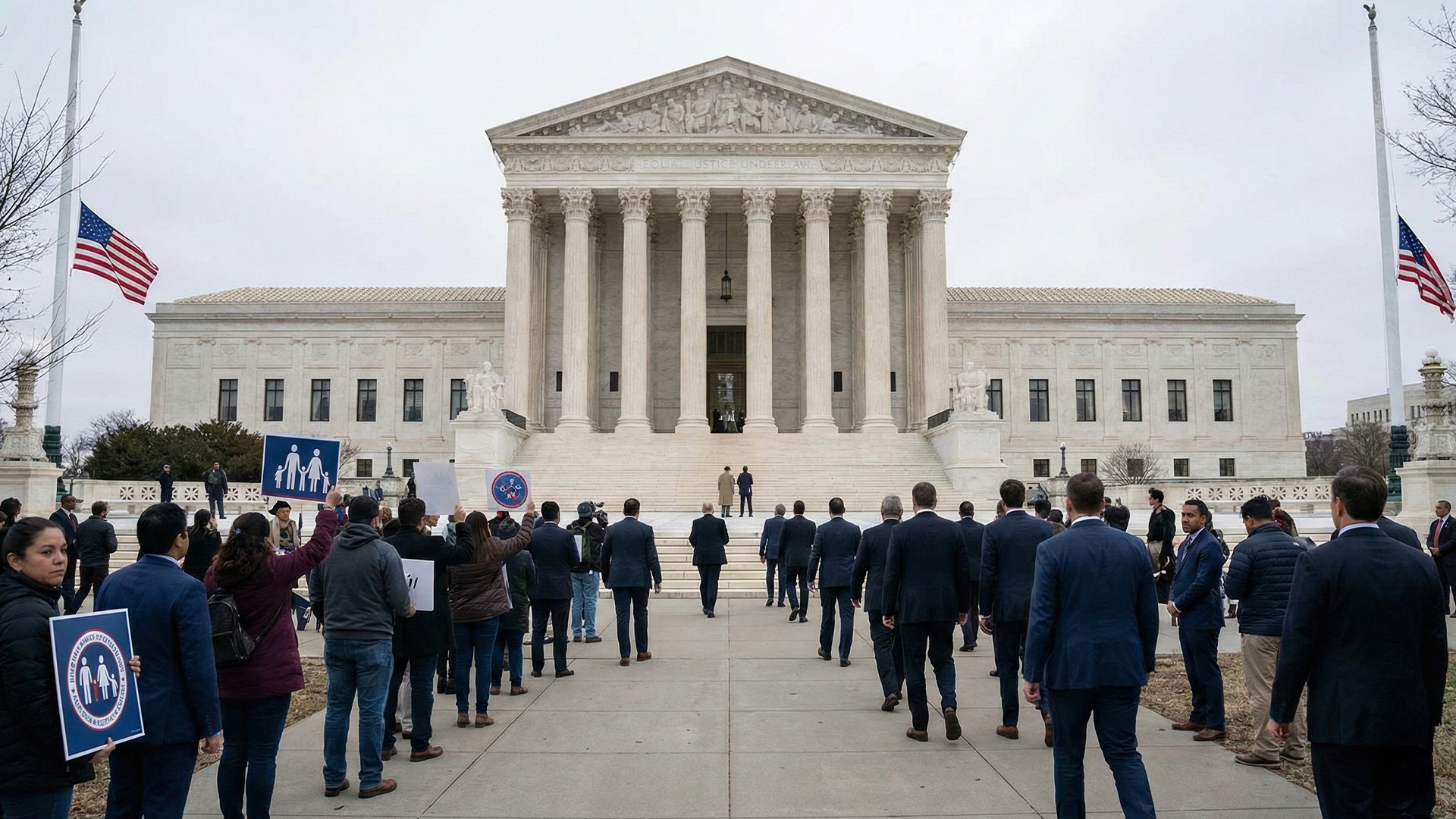
The US Supreme Court has agreed to hear a major case involving President Donald Trump’s order on birthright citizenship. The order, issued in January 2025, says that children born in the United States should not get automatic citizenship if their parents are undocumented or staying in the country only for a short time.
For more than a century, the US has followed the rule that almost anyone born on American soil becomes a citizen at birth. This rule comes from the 14th Amendment of the Constitution. Trump’s order challenges this long-held understanding and argues that these children should not be considered under full US jurisdiction.
Soon after the order was announced, several groups and families went to court to stop it. Lower courts across the country blocked the order, saying it likely violates the Constitution and goes against clear legal history. One of the main cases, filed on behalf of affected families, moved through the courts and finally reached the Supreme Court after the government appealed.
Now that the Supreme Court has agreed to hear the case, the justices will decide whether the president has the power to change birthright citizenship rules without a change in the Constitution or new laws passed by Congress. The hearing is expected in spring 2026, and the final decision will likely come by early summer.
The outcome will have huge consequences. If the Supreme Court supports Trump’s order, thousands of children born in the US every year could lose automatic citizenship. This would mark one of the biggest changes to US immigration and citizenship policy in generations. But if the Court rejects the order, the current system, where nearly all babies born in the country become citizens, will continue as it always has.
For now, the order is still blocked nationwide. Everyone is waiting for the Supreme Court’s ruling, which will shape how the US defines citizenship in the years ahead.